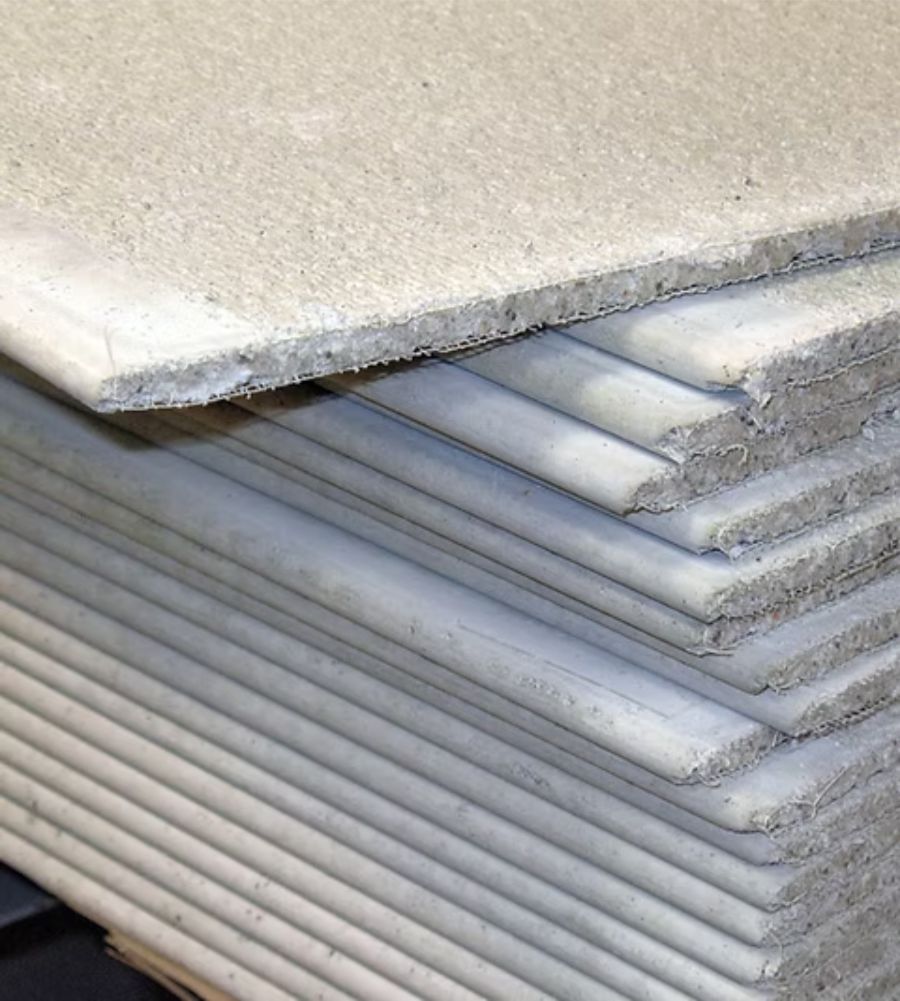
Although certainly the material of choice (whenever possible) for exterior trim replacement and updating, there is something to realize when replacing rotted wood trim with composite material.
Composite shrinks.

This is something you may not realize when first electing to update things and convert to composite trim while aiming to guard against future rot.
From an ongoing maintenance perspective this is something you should be aware of though as moving forward you may have to keep an eye on your seams and enact some type of caulking maintenance when any separation between trim pieces presents itself.
I became privy to this type of situation a while back after a client rang the office for a service call regarding some composite trim we had installed some time within the previous year.

At the time I was unaware of this phenomenon and really did not believe that the shrinkage had actually occurred.
Sure enough when I pulled up on-site, I saw the gap that was now present.
Son of a gun!
After doing a bit of research, I now realized that composite trim (which is all the rage these days) has this quality associated with it that is not really spoken about widely in the industry (particularly by suppliers overall).
It is definitely surprising how little this topic is talked about, even though composite trim is seemingly used everywhere now.

Most people choose it because they are trying to avoid the endless cycle of scraping, painting, and replacing rotten boards.
Composite feels like the “buy it once and forget about it” option, and in many ways, it is an absolutely a great choice.
Composite does not rot, it does not attract insects, and it holds paint much longer than exterior wood in general.
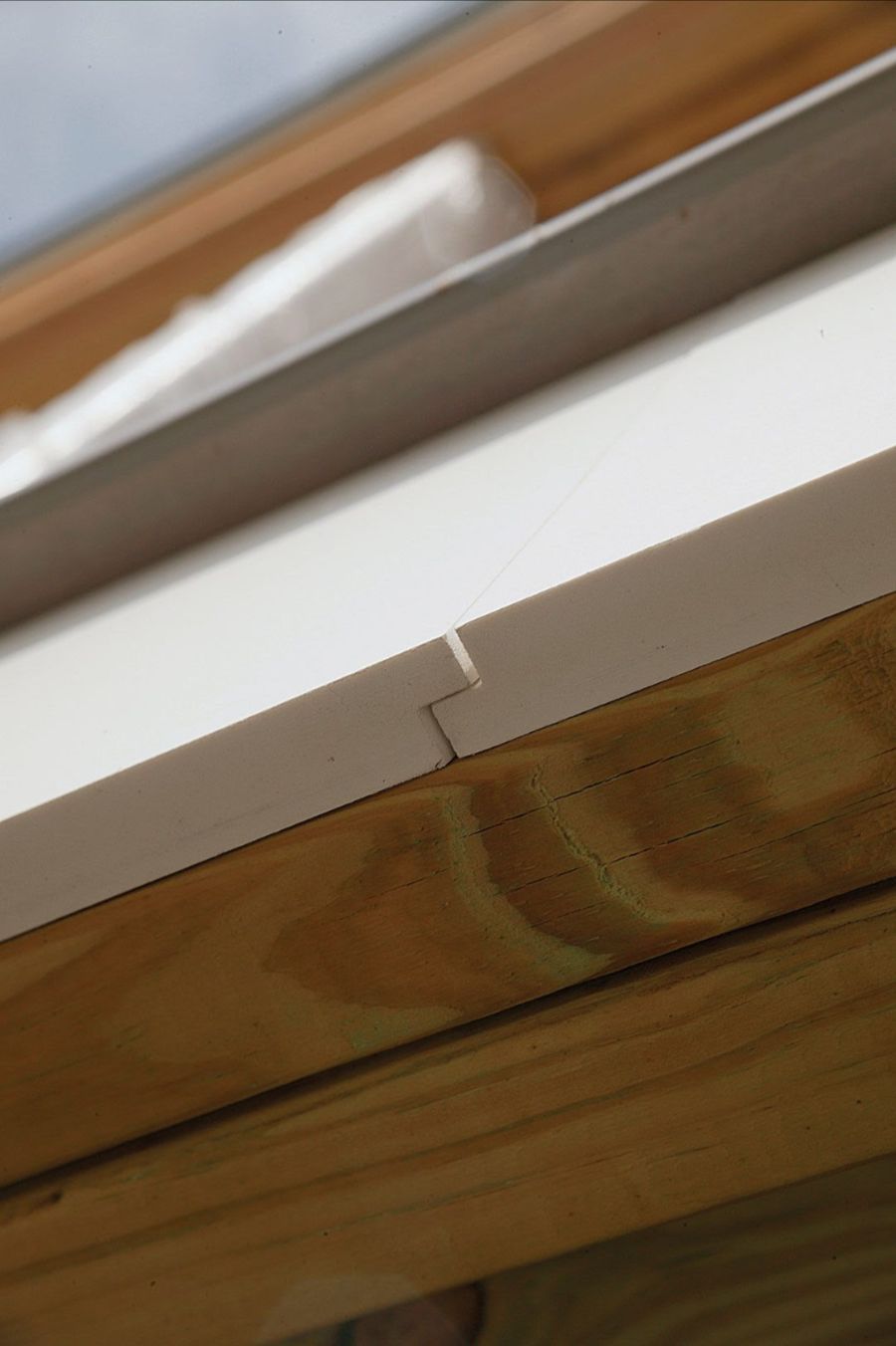
But the shrinkage factor is real, and it is something homeowners should understand so they know what to expect over time.
The good news is that this shrinking does not mean your trim is failing or needs to be ripped off the house.
It simply means you may see small gaps appear at joints, especially where two pieces meet at a corner or where long runs of trim meet in the middle.
These gaps can vary from very tiny hairline openings to noticeable spaces that bother your eye (as was the case with our client).
While they might look surprising at first, they are usually nothing more than cosmetic issues that can be corrected with a bit of caulk and perhaps a paint touch-up (the paint portion of things may be situational).
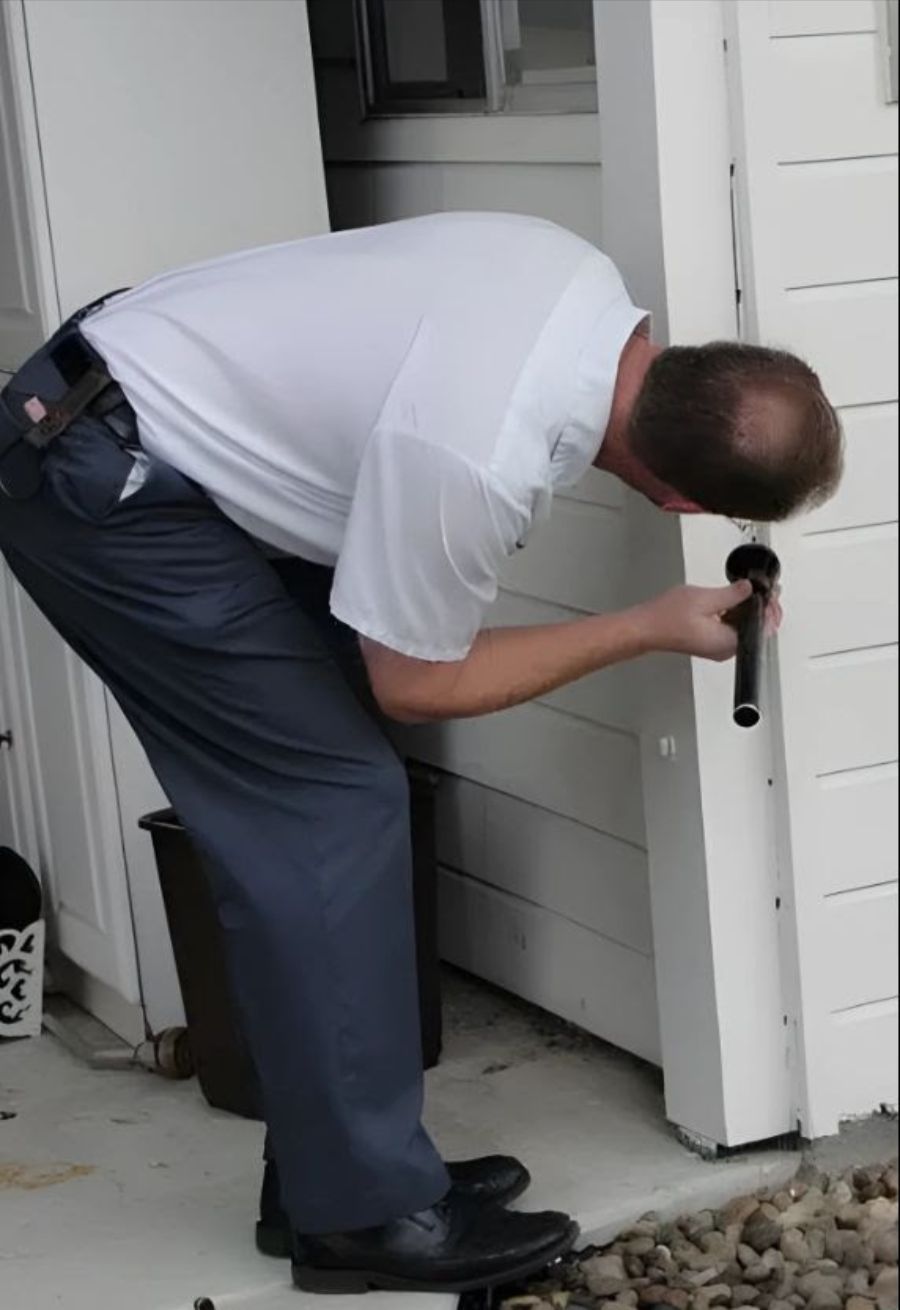
Homeowners who know to look for these small changes can save themselves a lot of stress.
A quick walk-around once or twice a year – especially after the first season of weather changes – can help you catch any spots that need sealing.
If you stay on top of it, the trim will continue to look sharp and clean for many years.
Another thing to understand is that composite trim does most of its shrinking early on.

After the first major temperature swings – hot to cold, dry to humid, and back again – the material usually settles into its long-term size.
Once you address the initial gaps, you likely won’t have to deal with them as often in the future.
This is why many contractors (including myself) recommend a “first-year check” for homeowners who have recently switched their exterior trim to composite material in one way, shape, or form.
This one year period gives the product time to shift, and then the small fixes can be made.
Even with the shrinking potential present, composite trim is still an excellent upgrade for most homes.
You just need to go into it with realistic expectations.
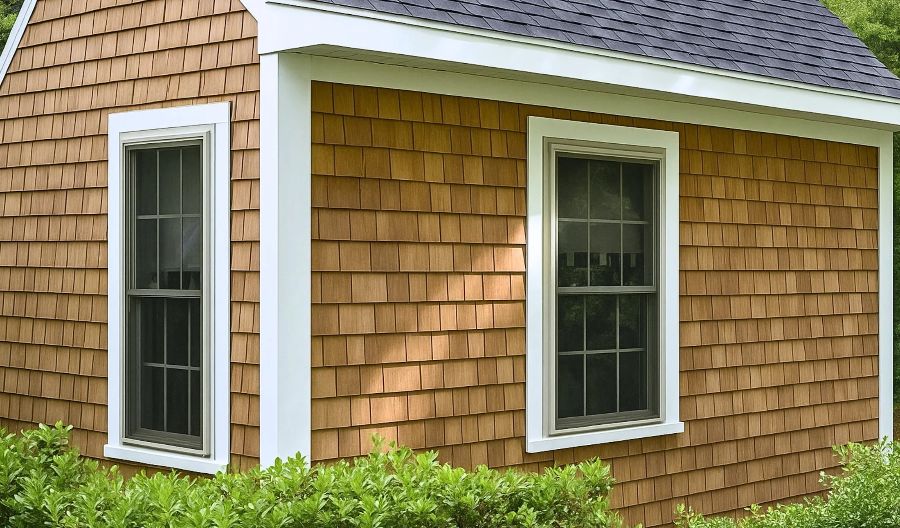
Composite trim (in general) will last longer, look cleaner, and protect your house better than traditional wood.
But like anything on a home’s exterior, composite trim still needs a little attention now and then and knowing this ahead of time helps you enjoy the benefits without being surprised by the maintenance that may end up accompanying it.
Follow Us on Social Media!