When homeowners think about water leaking into their homes, their first concerns are usually the roof, basement, windows, or ceilings.
These are all important areas, and for good reason.
However, there is another location where water can enter a home that deserves a great deal more attention: the electrical panel.
We run into situations every year where homeowners unknowingly have water entering their electrical panels from the exterior of their homes.
Although it may not be something that gets much attention, I would argue that this is one of the worst possible places to have water entering a home.
Why? Because water and electricity are a dangerous combination.
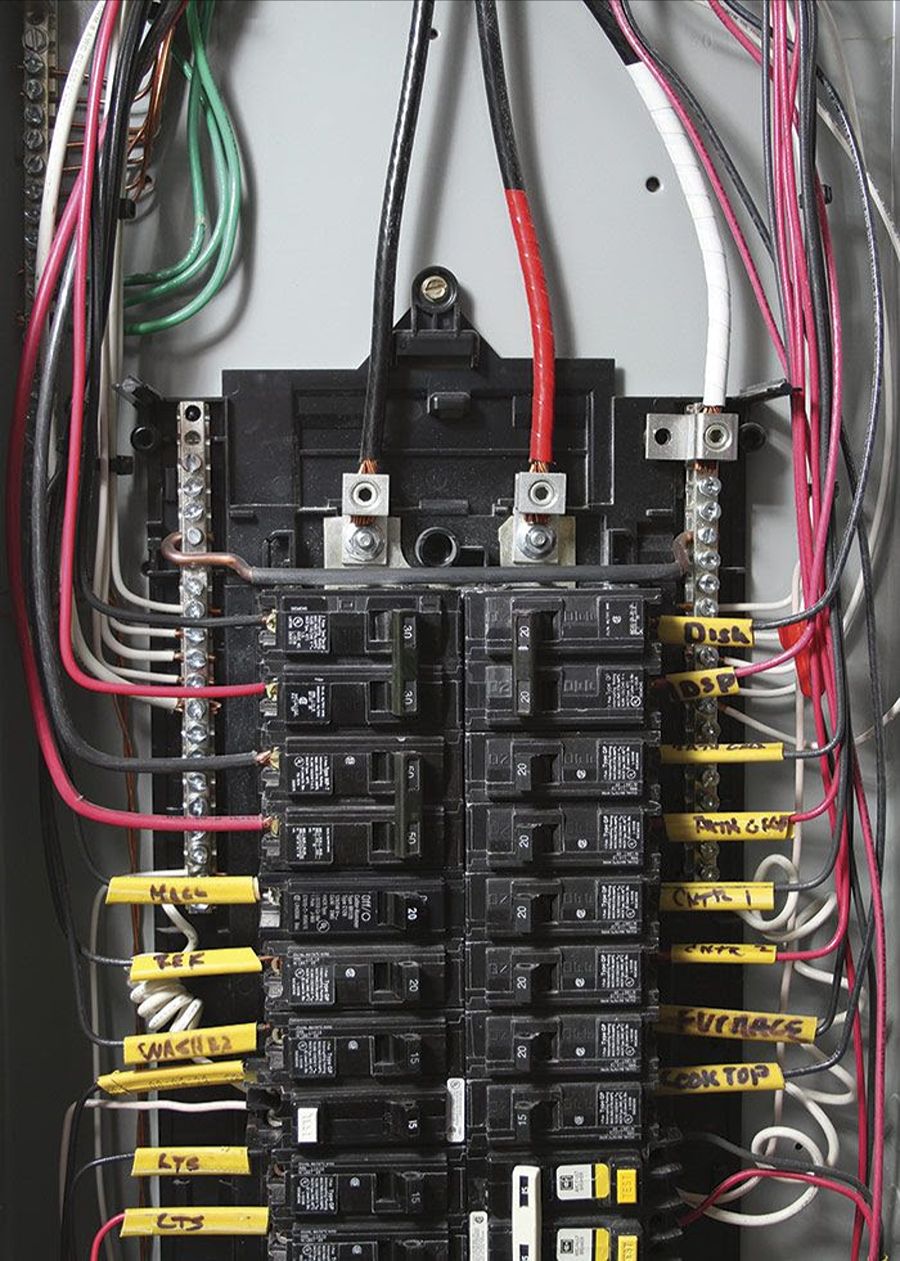
An electrical panel is responsible for distributing electricity throughout the entire house.
When water finds its way inside, it can cause corrosion, damage electrical components, create short circuits, and increase the risk of electrical shock or fire.
This is not simply a matter of having to replace a damaged piece of equipment.
It can become a serious safety concern for everyone living in the home.
So how does this happen?
In many cases, the problem starts on the exterior of the house.
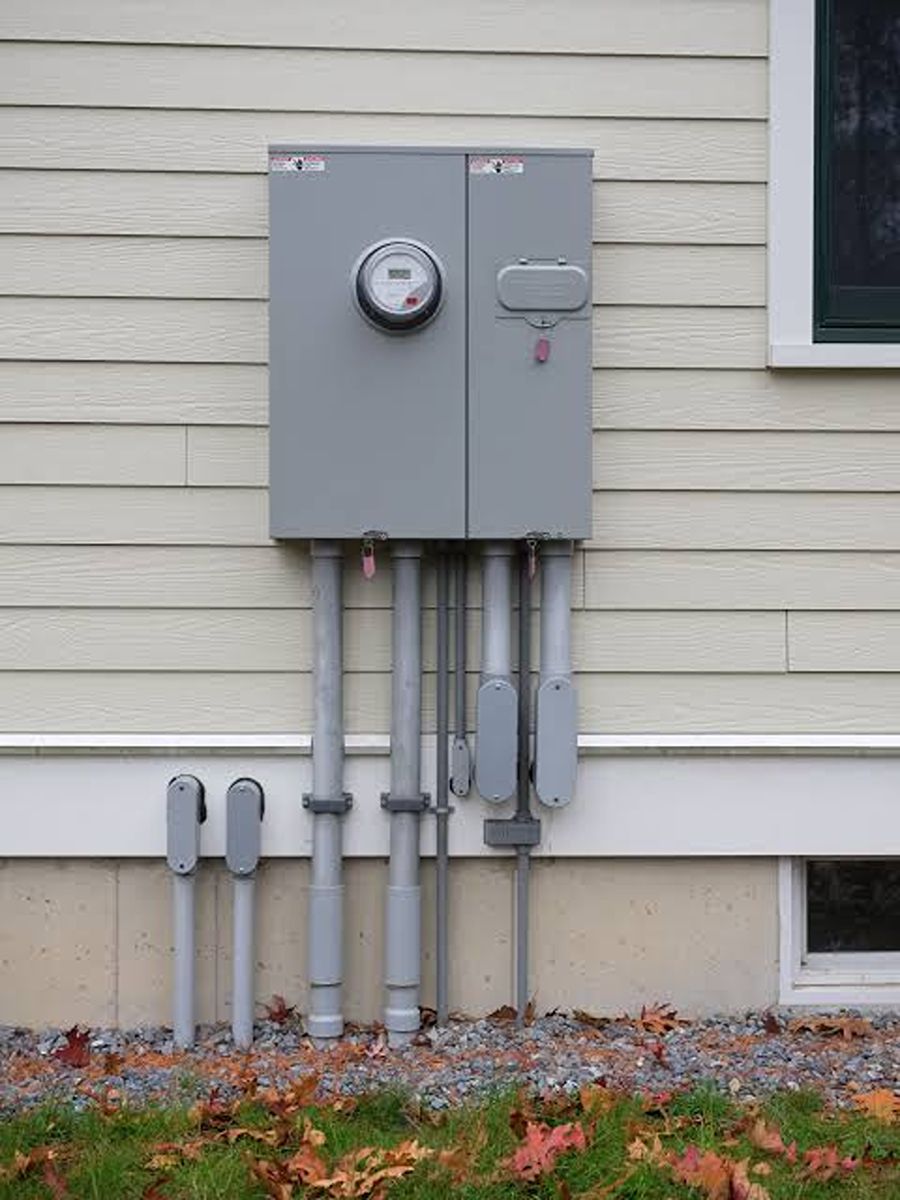
The electrical service entrance, where the utility wires connect to the home, requires openings and connections that must be properly sealed and protected from the weather.
Over time, these areas can deteriorate.
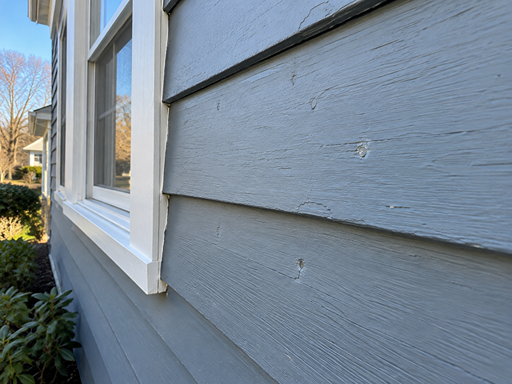
Caulking can crack, flashing can fail, siding can separate and rot, and openings around electrical conduits can allow water to find its way behind the exterior finishes.
Sometimes, the problem is related to the service mast or the connection where the electrical service enters the home.
Water can travel along the outside of a conduit or enter through an improperly protected opening.
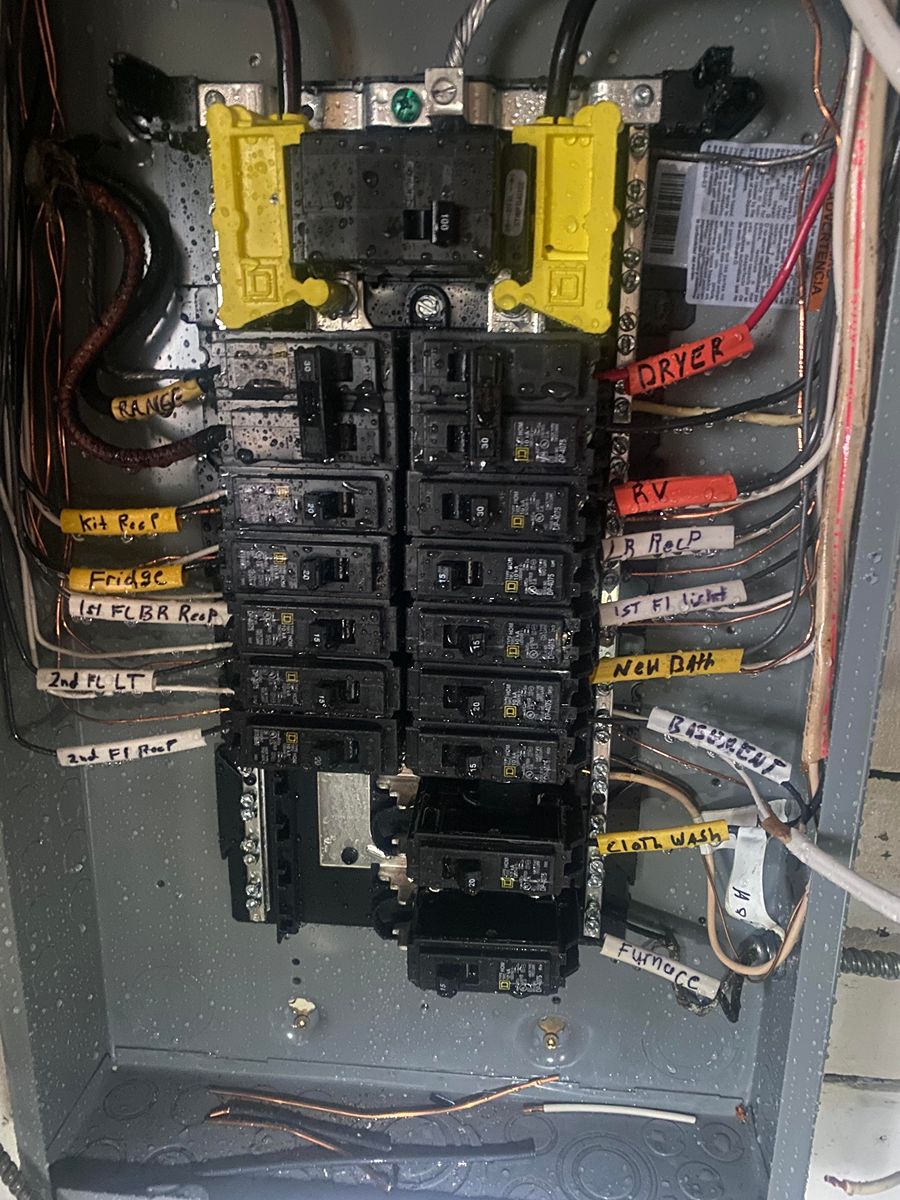
From there, it can make its way into the electrical panel, sometimes without leaving any obvious signs of water damage on the surrounding walls.
The tricky part is that homeowners may never realize it is happening.
There may be no visible water on the floor, no dripping ceiling, and no obvious signs of a leak.
The water may be traveling behind the siding or through a small opening in the exterior wall before reaching the electrical equipment.
Preventing this type of problem starts with paying attention to the exterior of the home.
The areas surrounding the electrical service entrance should be inspected periodically.
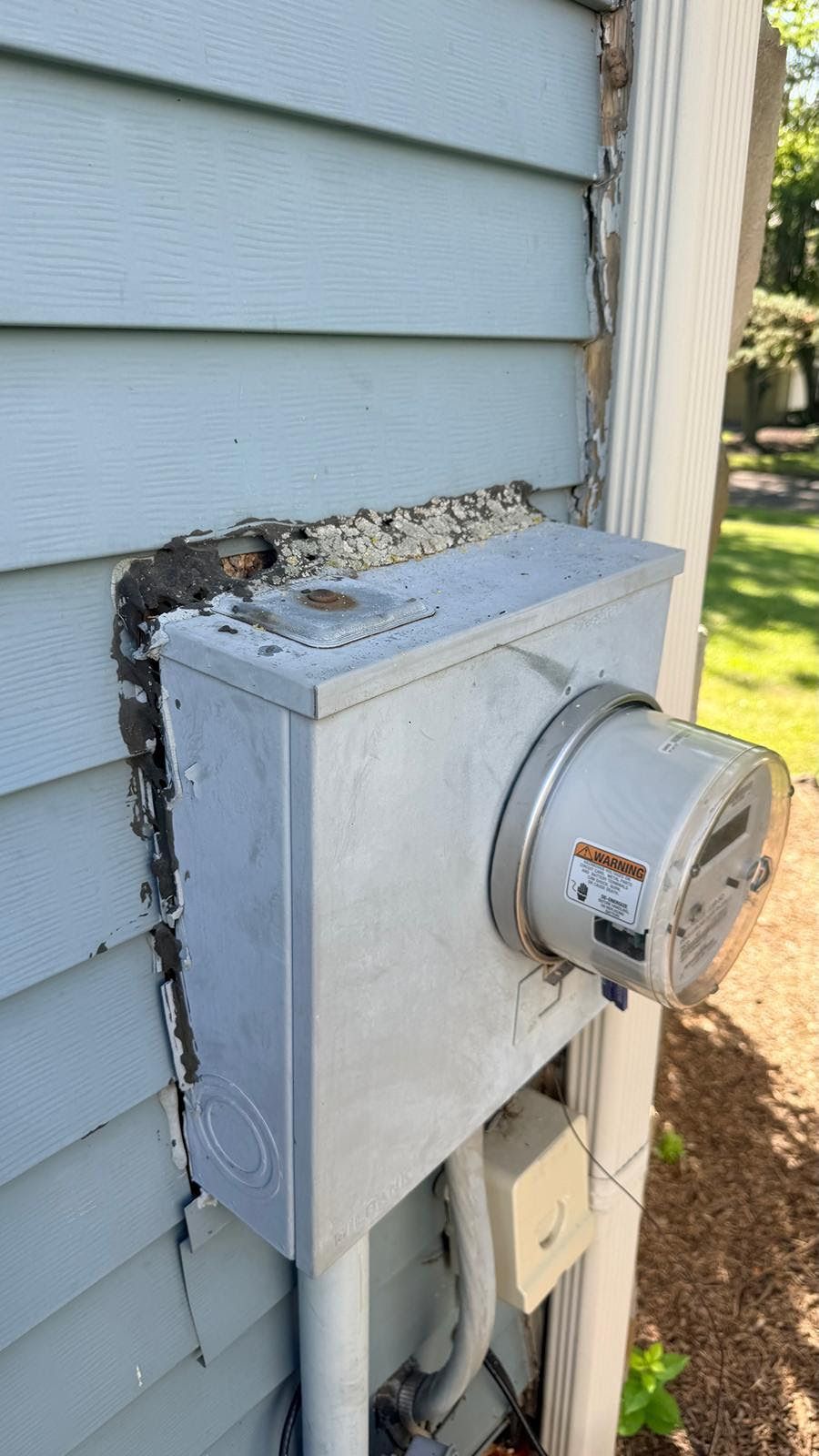
Look for deteriorating sealant, gaps around conduits, damaged siding, loose exterior trim, and signs of water staining or rust near the electrical equipment.
Proper flashing, weatherproof fittings, and correctly sealed exterior openings are also important.
It is worth pointing out that not every opening should simply be covered with caulking.
Electrical service equipment has specific installation and drainage requirements, and repairs must be handled correctly.
A licensed electrician should evaluate the electrical components, while a qualified contractor can address related siding, flashing, and exterior water-entry issues.
If there is any indication that water has entered an electrical panel, do not touch the panel, attempt to dry it out, or remove its cover.
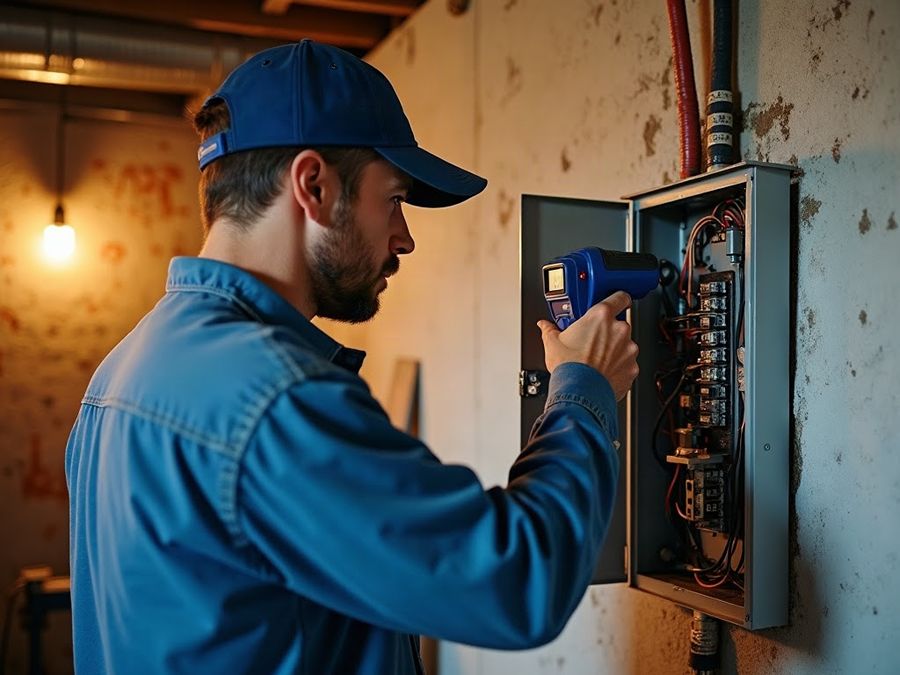
Keep people away and contact a licensed electrician immediately.
If there is active water intrusion or an immediate danger, contact emergency services or the utility company as appropriate.
Do not attempt to shut off power at a wet or affected panel.
As I have said many times in the past, maintaining a home is about more than addressing problems after they become visible.
It is about understanding where problems can develop and taking steps to prevent them before they become expensive, disruptive, or dangerous.
A roof leak can damage a ceiling.
A basement leak can damage flooring and personal belongings.
But water entering an electrical panel introduces an entirely different level of risk.
It is one of those areas of the home that deserves attention, even when everything appears to be working just fine.
Sometimes, the most dangerous problems are the ones homeowners don’t even know they have.
Follow Us on Social Media!