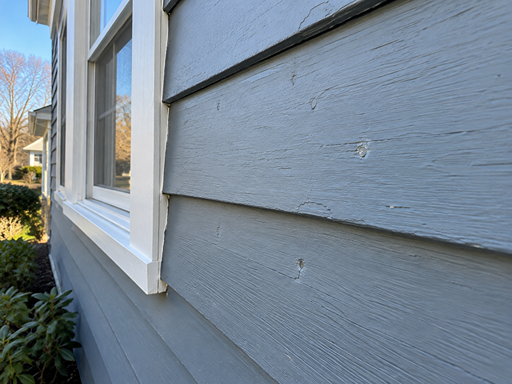
If a home has wood clapboard siding, there is a good chance it has nail holes that have been there for years.
When it comes time to paint the house, many homeowners wonder whether every nail hole needs to be filled.
There is a long-standing belief in the painting business that every nail hole must be set and filled before a house can be painted properly.
But is that really necessary?
In many cases, the answer is no.
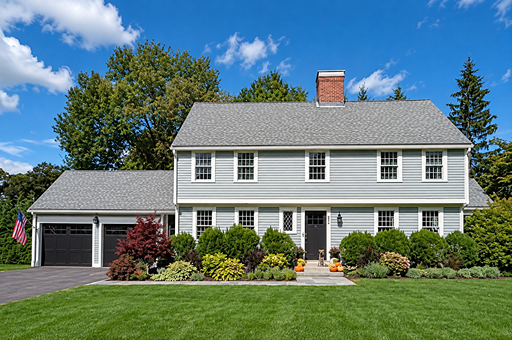
Wood clapboard siding is designed to protect the home from the weather while allowing the wood to expand and contract as temperatures and moisture levels change.
Over time, the wood moves, paint wears down, and small nail holes may become visible.
Although these holes can catch the eye, not every hole is a problem that needs to be corrected.
The belief that every nail hole must be set and filled may be a long-standing practice, but it is not a rule that applies to every home.
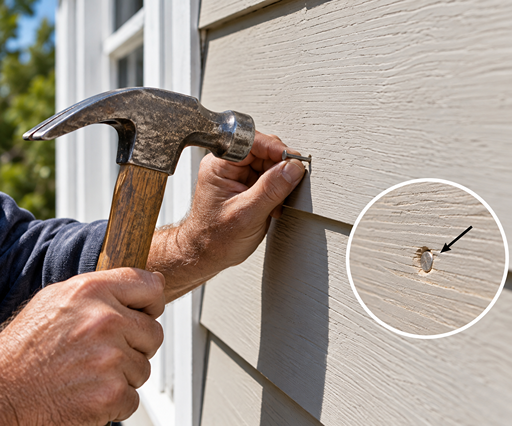
Setting a nail means driving its head slightly below the surface of the wood.
Filling the resulting hole can create a smoother appearance, but that does not automatically mean the siding will last longer or that the paint job will perform better.
One reason not to fill every nail hole is that wood naturally expands when it absorbs moisture and shrinks as it dries.
This movement can cause the material inside a nail hole to crack, loosen, or fall out.
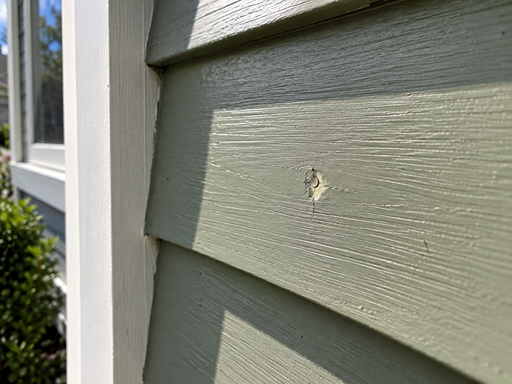
Once that happens, the filled hole may become visible again, sometimes only a short time after the painting project is finished.
It is also important to understand that not all nail holes present the same concern.
A small, shallow hole that has been there for years may have little effect on the condition of the siding.
A larger hole, a loose nail, or an opening that allows water to reach the wood underneath the paint deserves closer attention.
The goal should be to address actual problems rather than automatically treating every hole the same way.
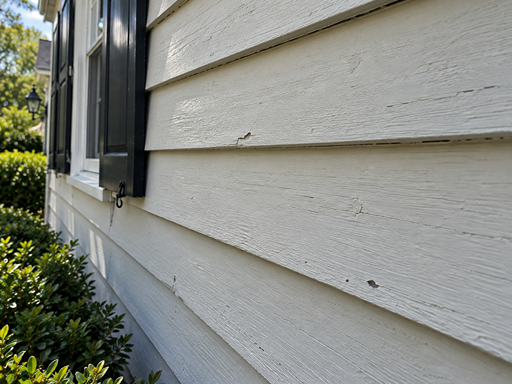
There is a difference between making siding look perfect and keeping it in good condition.
A tiny nail hole may be visible up close but have little effect on the overall appearance of the house from the street.
Meanwhile, peeling paint, exposed wood, loose boards, and damaged clapboards can affect both the appearance and protection of the home.
These larger concerns should receive attention before time is spent correcting every minor imperfection.
Of course, appearance matters, too.
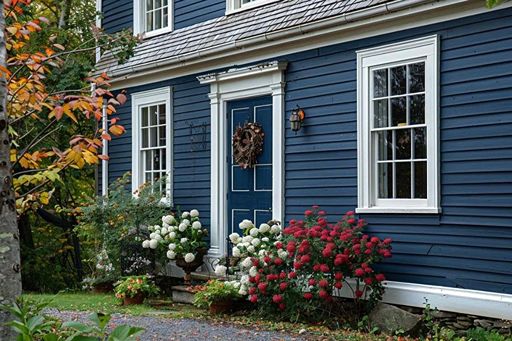
Some homeowners want a very smooth finish and may choose to have visible nail holes set and filled as part of the preparation process.
That is a reasonable choice, but it should be understood as a matter of finish and personal preference, not an automatic requirement for every house.
Before painting, the siding should be inspected carefully.
Loose paint should be removed, bare wood should be properly prepared, and damaged boards should be repaired or replaced.
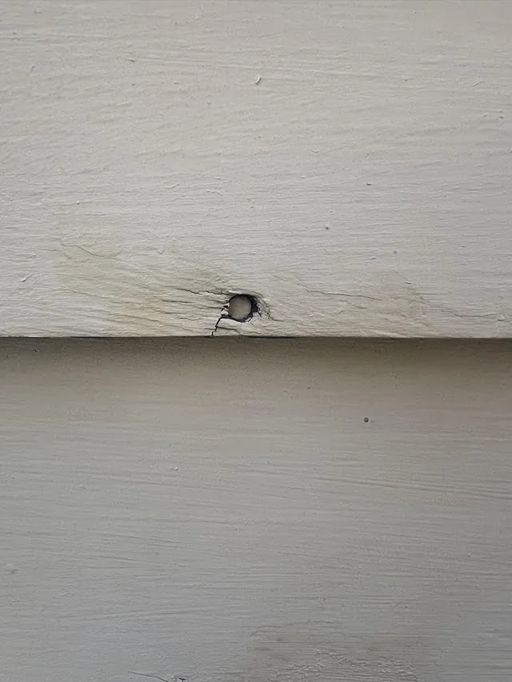
Nail holes that could allow water to enter should be addressed appropriately.
A qualified painter should be able to determine which nail holes need attention and which can safely remain.
Proper preparation is essential, but that does not mean every small nail hole must be set and filled.
By focusing on the actual condition of the siding, making necessary repairs, and applying a quality paint job, homeowners can protect their investment without paying for unnecessary preparation work.
Follow Us on Social Media!