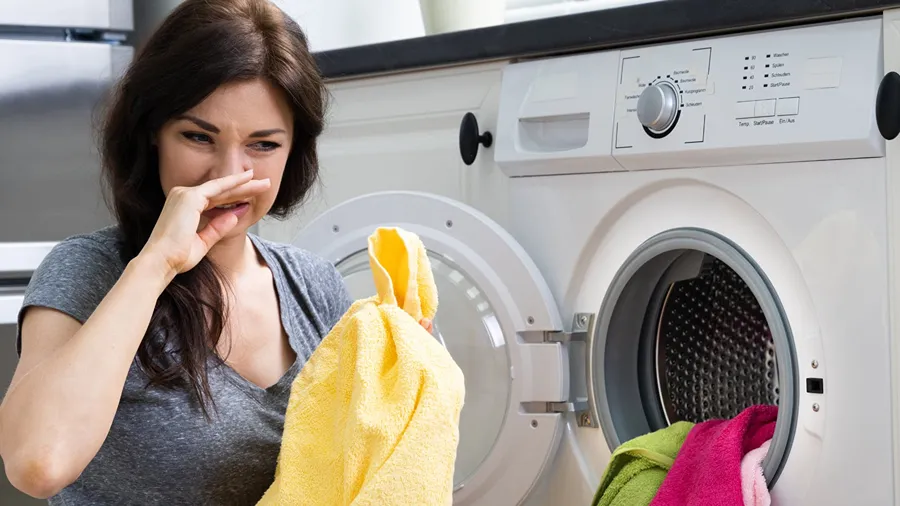
A sewage smell coming from a washing machine is unpleasant, but it does not necessarily mean the machine needs to be replaced.
In many cases, the smell comes from the drain system, a dirty washer, or a problem with the way the drain hose is installed.
The good news is that most of these problems can be addressed without buying a new machine.
One common cause is a dirty washing machine.
Over time, soap, fabric softener, dirt, hair, and other materials can build up inside the drum, door gasket, detergent drawer, and other areas.
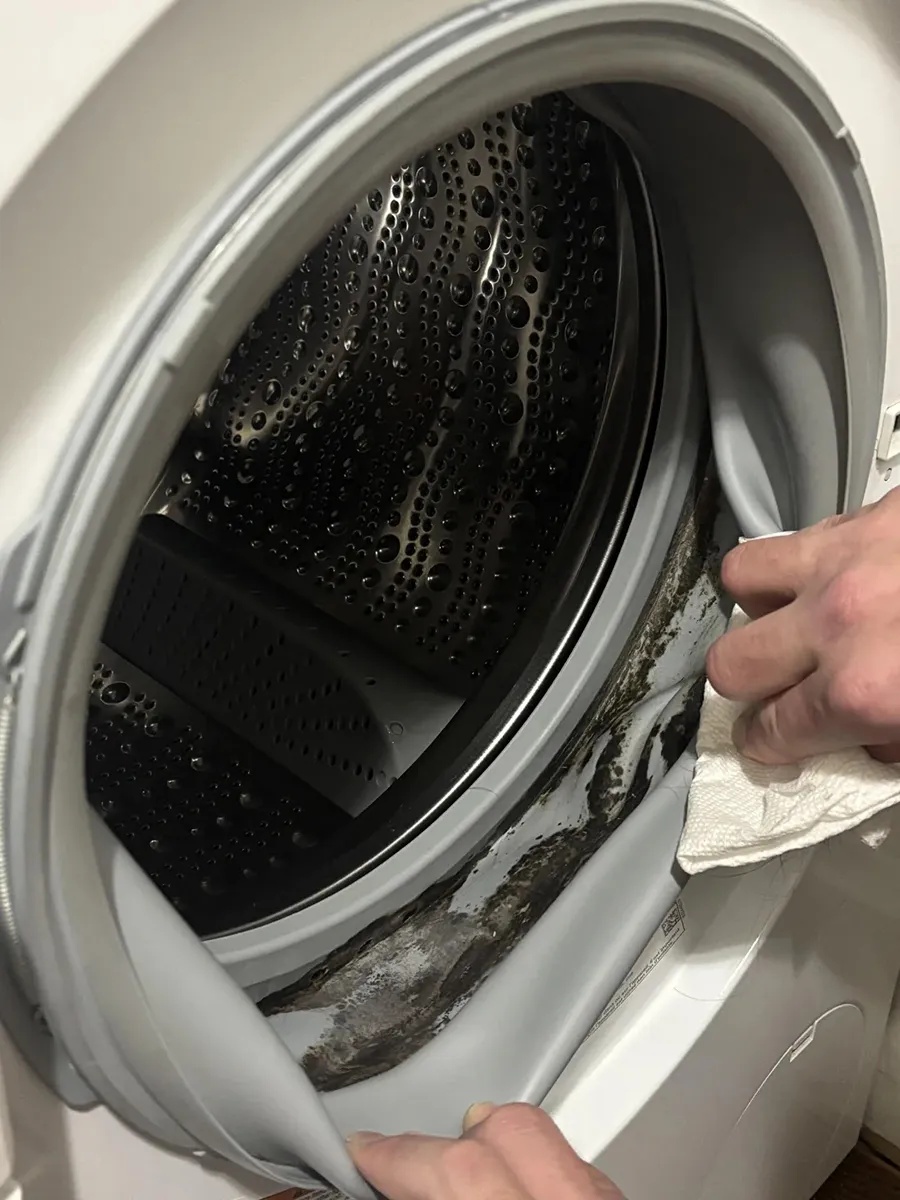
Front-loading machines are especially prone to odors because water can remain trapped in the rubber door seal.
That trapped moisture can allow mold, mildew, and bacteria to grow.
Start by cleaning the machine.
Wipe the rubber gasket, inside and outside, and remove any debris.
Clean the detergent and fabric softener dispensers.
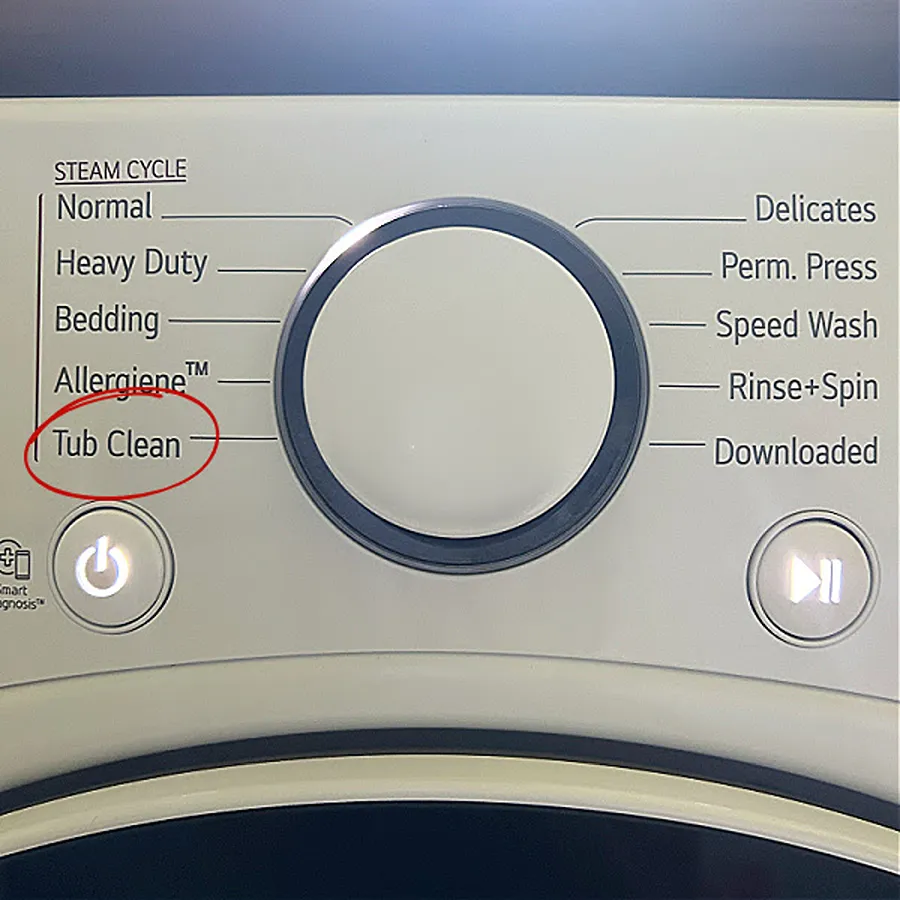
Then run the machine’s cleaning cycle, if it has one.
If there is no cleaning cycle, run an empty hot-water cycle using a washing machine cleaner made for this purpose.
Check the manufacturer’s instructions before using bleach or other cleaning products.
Another possible source is the washing machine drain hose.
The hose carries dirty water from the machine into the home’s drain system.
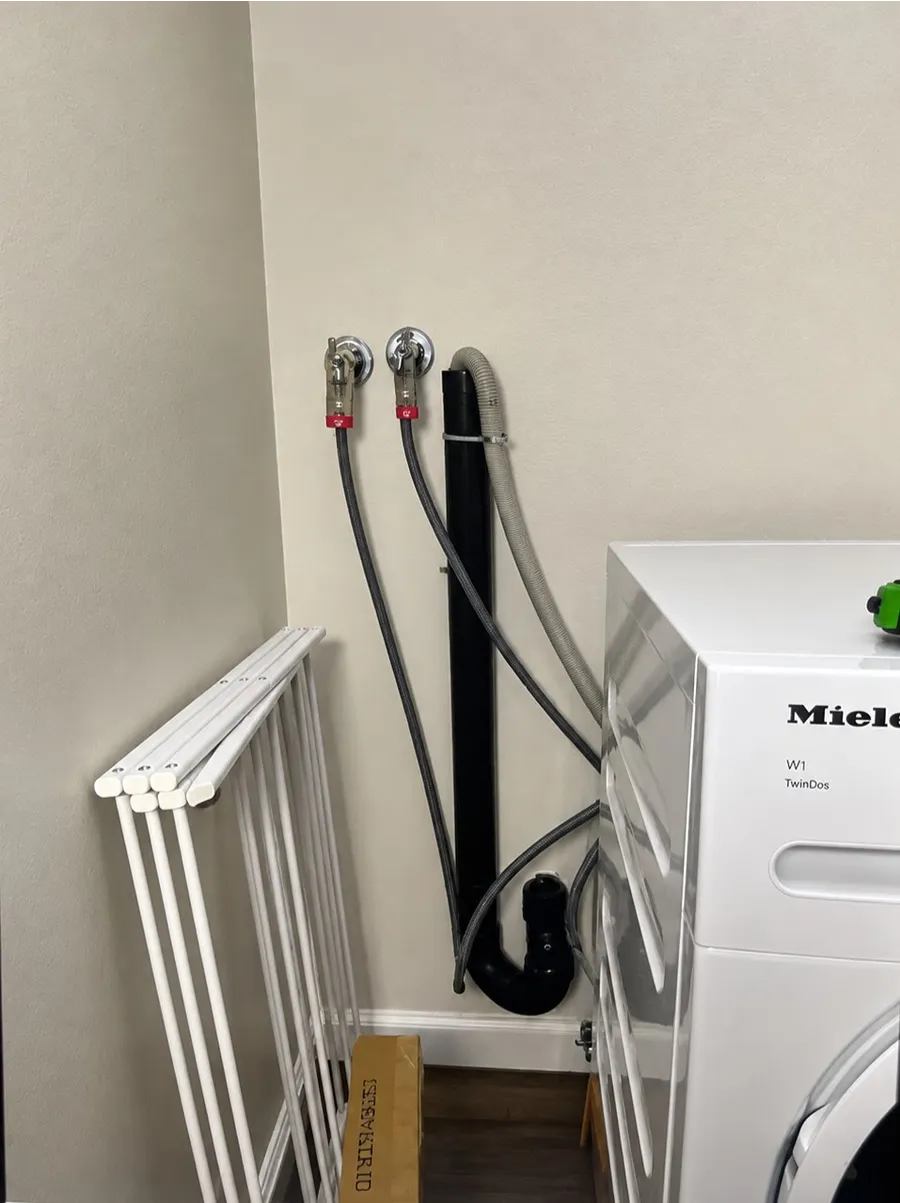
If it is pushed too far into the drainpipe, installed incorrectly, or sealed tightly around the pipe, sewer gases may be able to enter the washing machine.
The hose should be installed according to the manufacturer’s instructions, with the proper air gap or standpipe arrangement.
The standpipe and drain itself can also be the problem.
A partial blockage may leave dirty water sitting in the pipe, creating a sewage-like odor.
In some homes, the washing machine drain may also be connected improperly to another plumbing fixture.
If the smell remains after cleaning the machine, the drain should be inspected and, if necessary, cleaned by a plumber.
There is another important clue: notice whether the washing machine actually smells, or whether the smell is strongest around the drain behind the machine.
If the odor is coming from the drain, replacing the washing machine would not solve the problem.
The plumbing needs attention instead.
For a front-loading machine, leave the door slightly open between loads when possible.
This allows the inside to dry.

Also remove wet clothing promptly after a cycle.
For all washing machines, avoid using more detergent than recommended.
Too much soap can leave residue behind and contribute to odors.
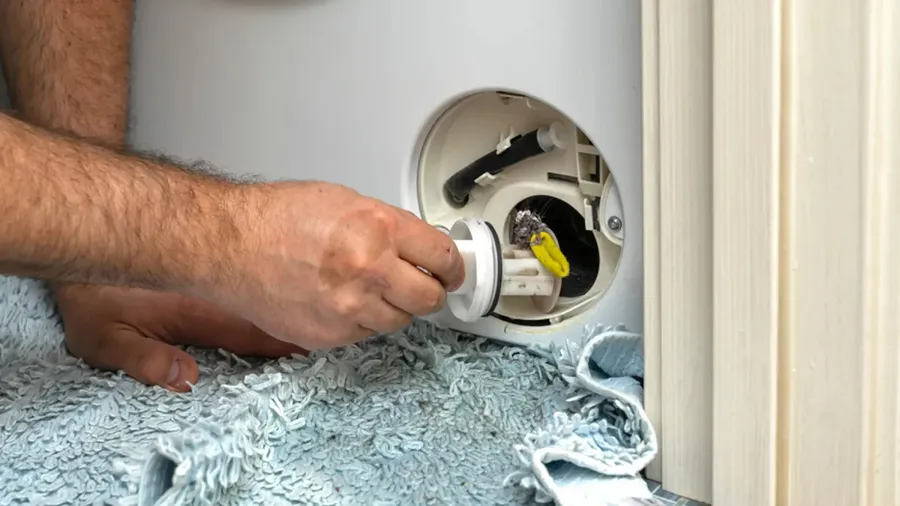
If cleaning does not solve the problem, check the pump filter, if the machine has one that is accessible to the homeowner.
Coins, lint, hair, and other debris can collect there and create foul odors.
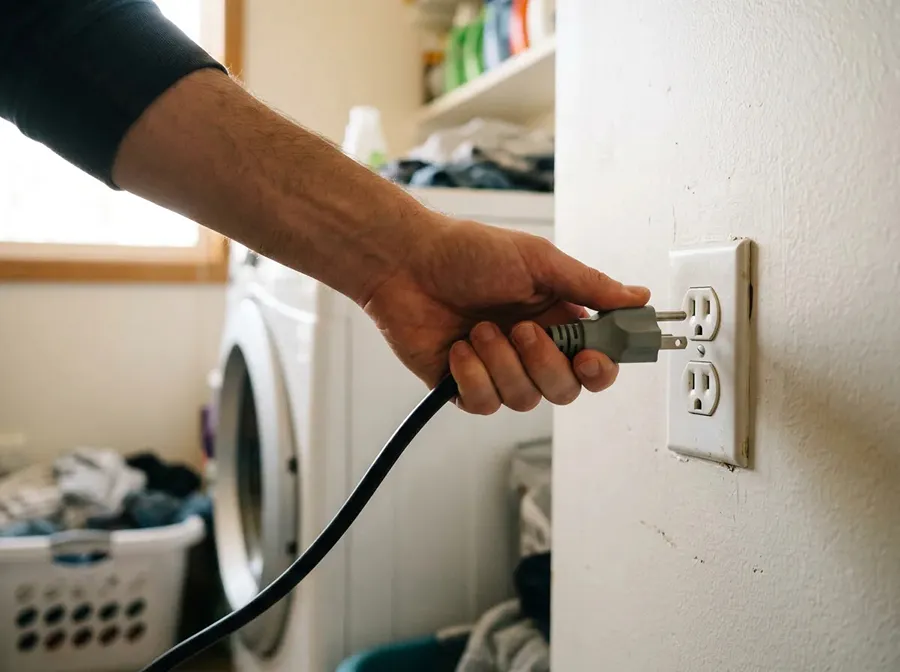
Follow the manufacturer’s instructions and unplug the machine before servicing any accessible components.
A sewage smell is often a warning that something needs attention, but it is not automatically a sign that the washing machine has reached the end of its life.
Start with cleaning, then check the drain hose, standpipe, and plumbing.
If the odor continues, a qualified appliance technician or plumber should be able to help identify the source.
Whatever the source may be, having the problem properly diagnosed can help determine the right repair and avoid replacing a machine that may still have plenty of life left in it.
Follow Us on Social Media!