As many age-old dilemmas go, when roofing or re-roofing your home, the decision about how to handle your roof valleys—to “weave” them or “cut” them—is probably almost as old as asphalt shingles themselves.
So which method is correct?
Let’s explore.
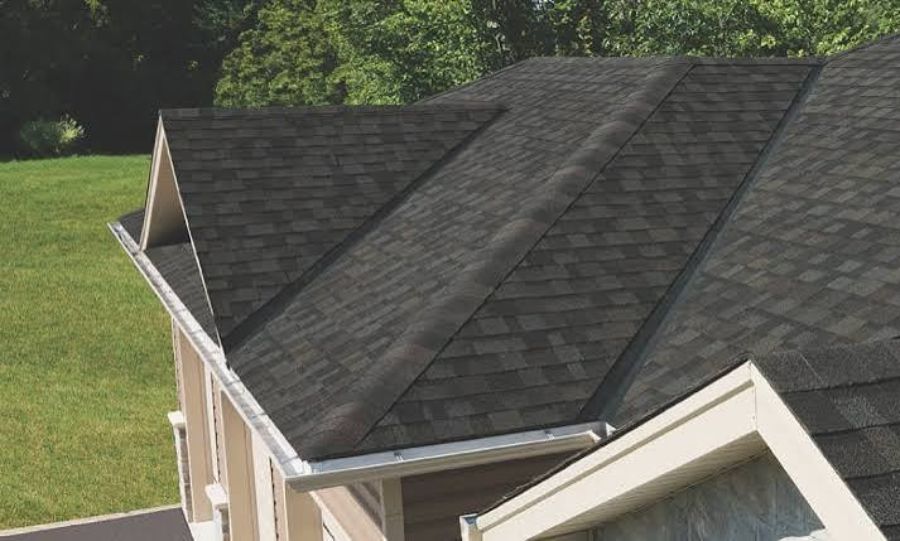
First, it helps to understand what a roof valley is.
A valley is the area where two sections of a roof meet, creating a channel that directs rainwater and melting snow toward the gutters.
Because valleys handle a large amount of water, they are one of the most important parts of any roofing system.
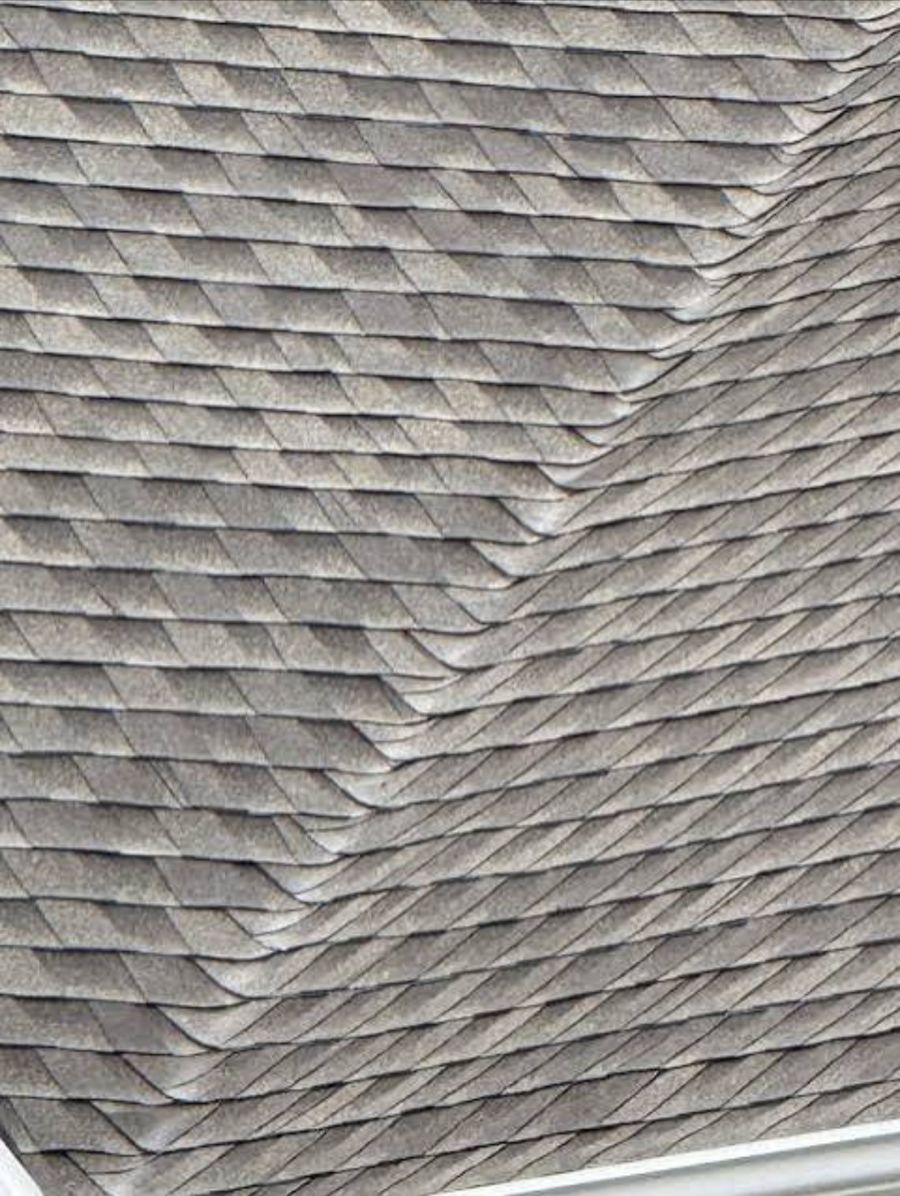
When asphalt shingles are installed in a woven valley, shingles from both roof sections are layered and woven together across the valley.
This creates a continuous look and has been used successfully for many years.
Supporters of woven valleys often point to their long history in the roofing industry and their ability to provide dependable performance when installed correctly.
A cut valley is installed differently than a woven valley and can take several forms, including the traditional closed-cut valley and the California cut valley.
Both methods are designed to create a clean appearance while providing an efficient path for water runoff.
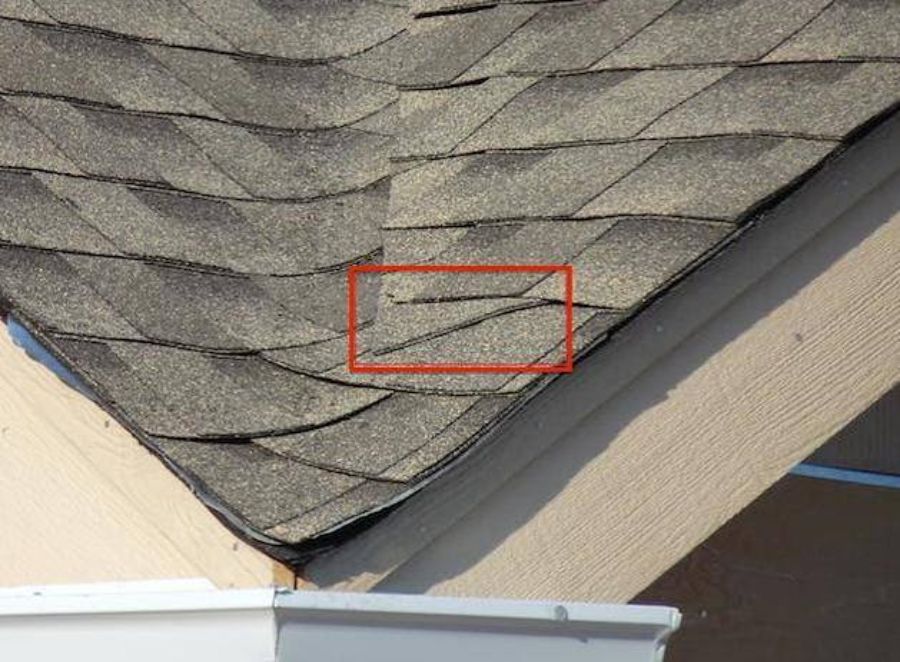
Shingles from one roof section extend across the valley, while shingles from the other section are trimmed in a straight line, creating a clean, crisp appearance.
The cut line follows the valley and allows water to flow freely down the channel.
Both methods can work.
In fact, if installed correctly, either system can provide years of reliable service.
However, if you ask many experienced roofing professionals which method they prefer, a significant number will lean toward the cut valley.
Why?
One reason is appearance.
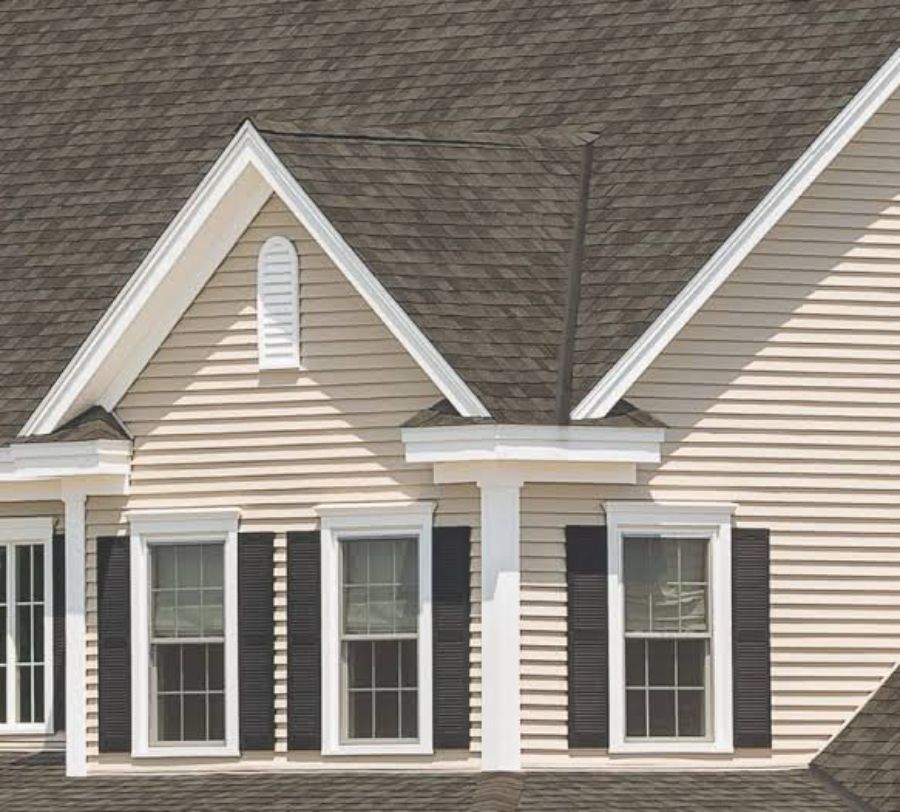
A properly installed cut valley often looks cleaner and more uniform.
The straight line creates a sharp, finished look that many homeowners find attractive.
Another reason is performance.
Roof valleys handle a tremendous amount of water during heavy rainstorms.
In a woven valley, shingles must bend across the valley.
On steeper roofs, thicker architectural shingles can be difficult to weave neatly.
Over time, these bends may create small gaps, uneven surfaces, or areas where debris can collect.
A cut valley reduces some of these concerns.
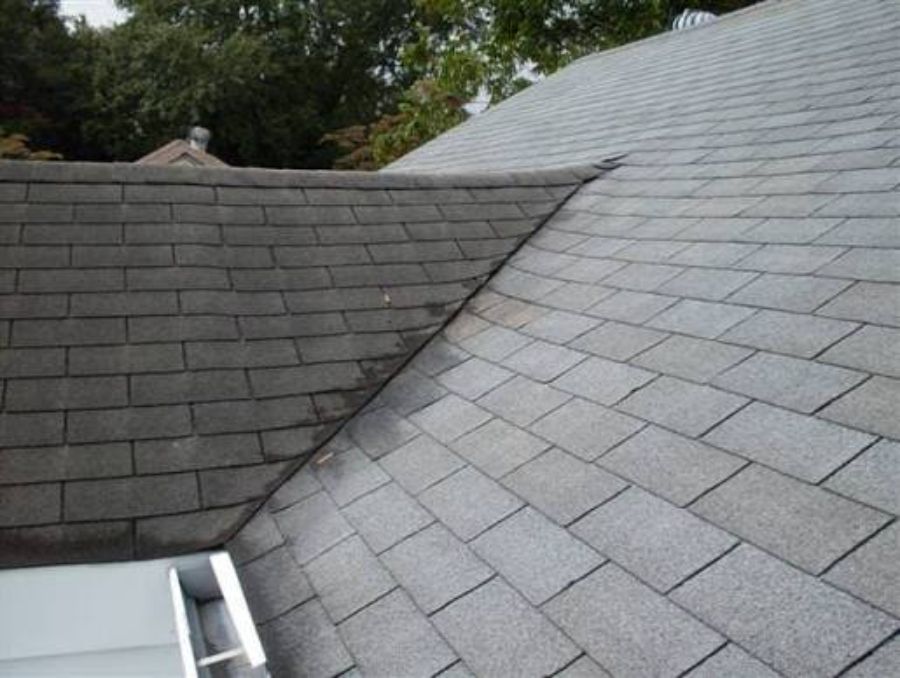
Because the shingles are not woven back and forth across the valley, the finished surface is flatter and smoother.
Water has a more direct path to follow, and leaves, twigs, and other debris may be less likely to become trapped.
Modern roofing materials also play a role in the discussion.
Many of today’s architectural shingles are thicker and more rigid than older three-tab shingles.
While woven valleys were extremely common with traditional three-tab products, many roofing contractors feel that cut valleys are better suited to today’s heavier shingles.
Of course, workmanship remains the most important factor.
A poorly installed cut valley can leak, just as a poorly installed woven valley can.
The quality of the installation matters far more than the method itself.
So where do we land?
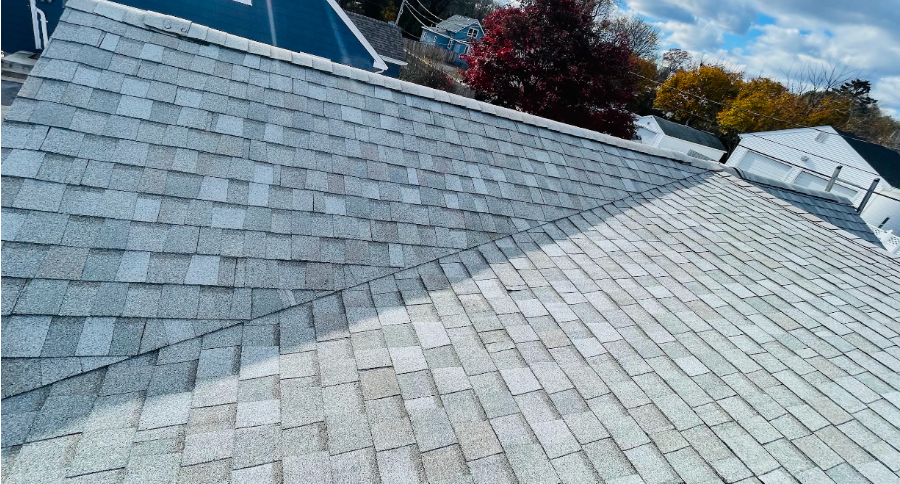
While both approaches can be effective when installed correctly, I generally favor a properly constructed cut valley.
It offers a cleaner appearance, works well with modern architectural shingles, and provides an efficient path for water to travel off the roof.
In the end, the best valley is not necessarily the one that follows tradition.
It is the one that is installed correctly using quality materials and sound roofing practices, providing the protection your home needs and helping your roof function at its best.
Follow Us on Social Media!