When you are finishing a tile job, one of the most important decisions happens at the inside corners.
Many beginners (…and even some professionals!) assume grout should go everywhere between tiles, including where two tiled walls meet.
But professional installers almost always choose silicone instead.
That choice is not just preference. It is based on how buildings move, how materials expand, and how long you want your tile work to last.

Grout is strong and durable, but it is also rigid.
Once it cures, it becomes hard like a thin layer of stone.
That makes it perfect for filling the spaces between tiles on flat surfaces.
Those areas do not move much, so grout can stay solid and hold everything together for years.
Inside corners are different.

Where two walls meet, even small changes in temperature or moisture cause slight movement.
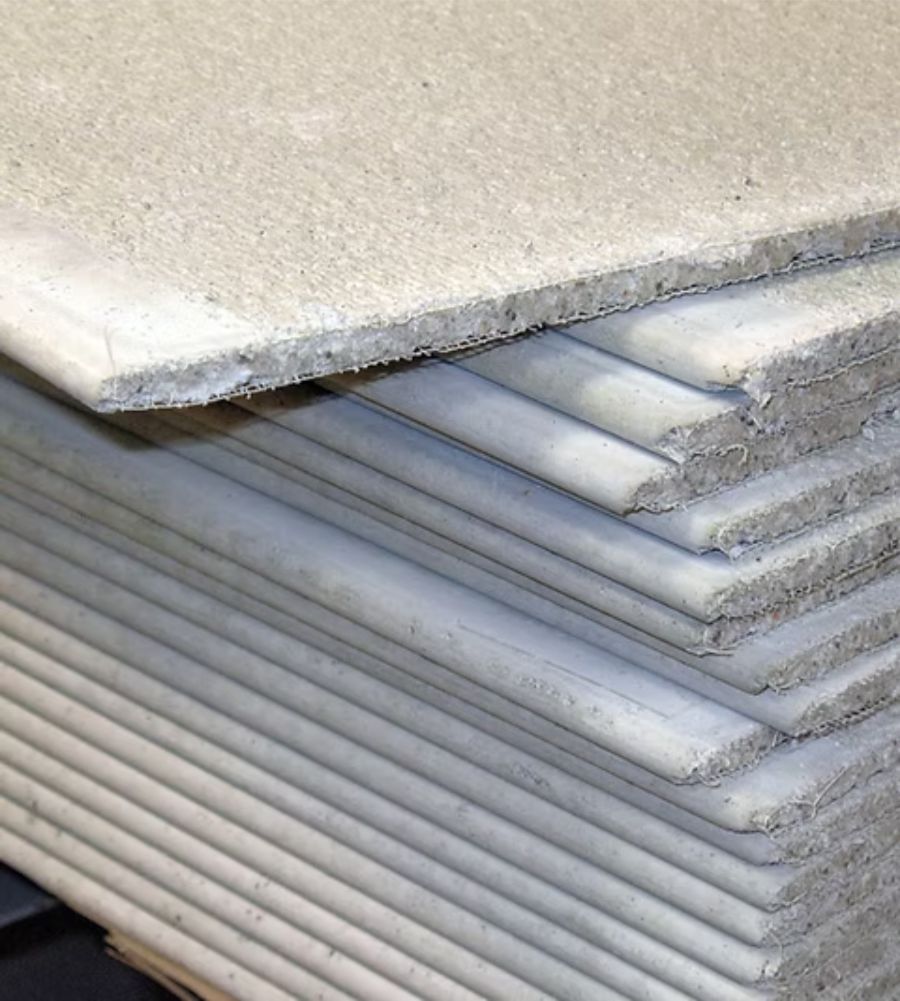
Houses settle. Wood framing shifts. Cement board expands and shrinks.
These tiny motions are normal, but they put stress on anything rigid sitting in that joint.
Here is what typically happens when grout is used in an inside corner.
When grout fills that corner, it cannot flex.
As the walls move, the grout takes all the pressure.
Over time, hairline cracks appear.

Eventually pieces may crumble or fall out.
Water can slip into those openings, which can lead to mold, stains, or hidden damage behind the tile.
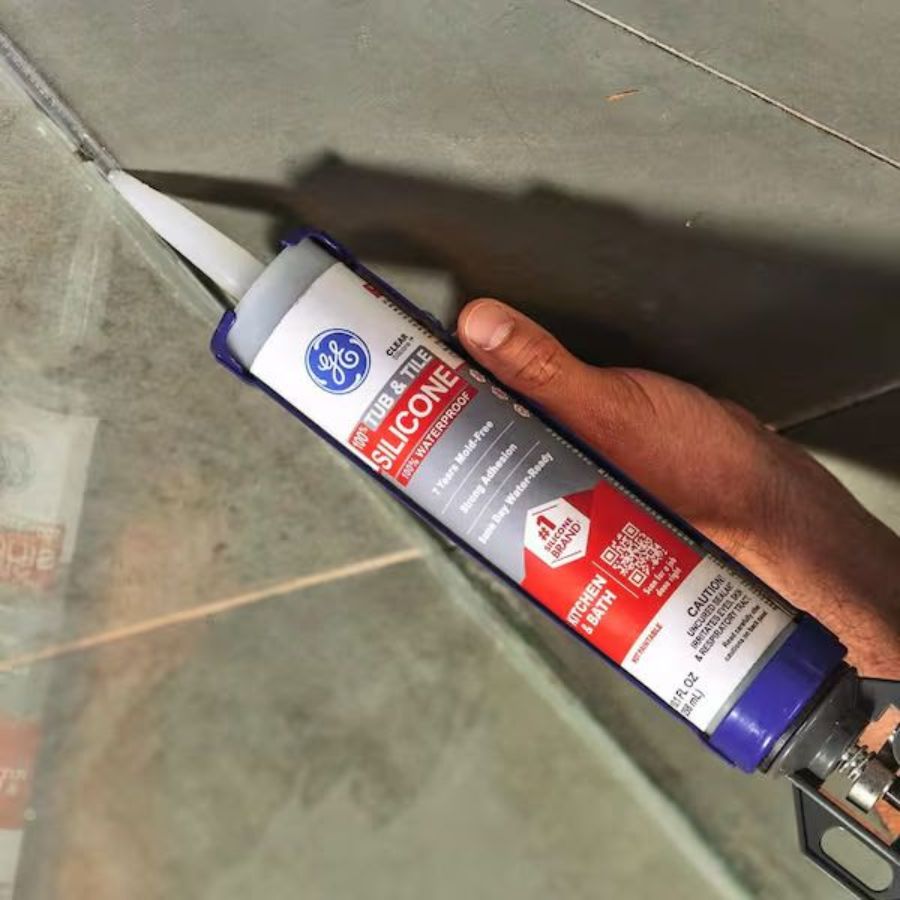
Silicone is designed to solve this exact problem.
Unlike grout, silicone stays flexible after it cures.
It can stretch, compress, and move with the walls without breaking.
That flexibility allows it to absorb the natural motion that happens in every building, especially in bathrooms, showers, and kitchens where moisture changes often.

Another major benefit is water resistance.
Silicone forms a watertight seal when applied correctly.
Instead of cracking open and letting moisture sneak through, it blocks water from getting into the corner joint.
This helps protect the wall structure underneath and keeps the tiled surface cleaner and healthier over time.

Many silicone products are also made to match grout colors, so the finished look stays clean and consistent.
When applied neatly, the bead blends into the corner and still allows the installation to perform the way professionals intend.
Tile industry standards support this approach.
Professional guidelines recommend using a flexible sealant at any change of plane, which includes inside corners.
This is not an optional upgrade. It is considered proper installation practice because it prevents failure before it starts.
In simple terms, grout is best for strength, and silicone is best for movement.
Inside corners need movement more than strength.
Using silicone helps the tile system last longer, look better, and resist water damage.
Choosing silicone in these joints is not cutting corners (no pun intended).
It is doing the job correctly.
When you want tile work that stays strong, sealed, and crack free, silicone is simply the more proper material for inside corners.
Homeowners sometimes worry that silicone will need more maintenance, but the opposite is usually true.
Because it flexes instead of breaking, it often lasts longer before needing replacement.
Cleaning is simple, and modern silicone formulas resist mildew very well.
If the bead ever does wear out, removing and replacing silicone is easier than repairing cracked grout packed tightly into a narrow corner joint.
That convenience, along with these other benefits, makes silicone both practical and reliable for successful, long-lasting tile installations.
Follow Us on Social Media!