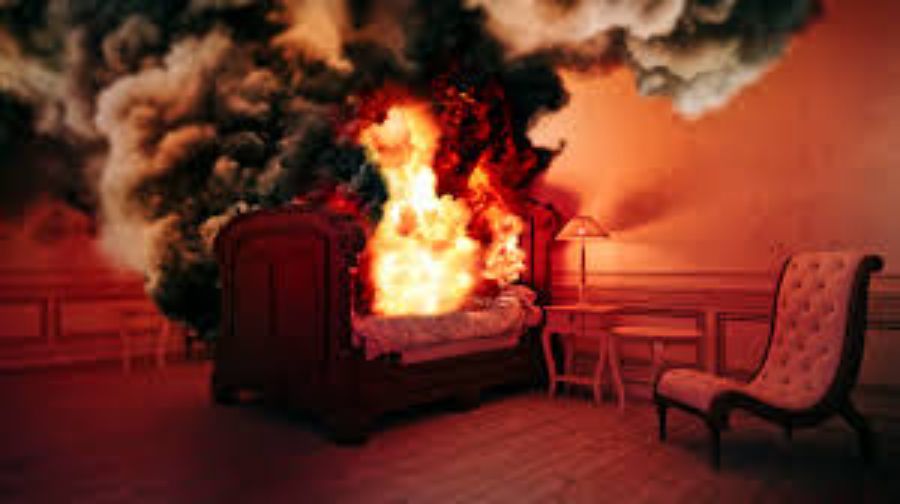
Spontaneous combustion is a real thing.
How do I know?
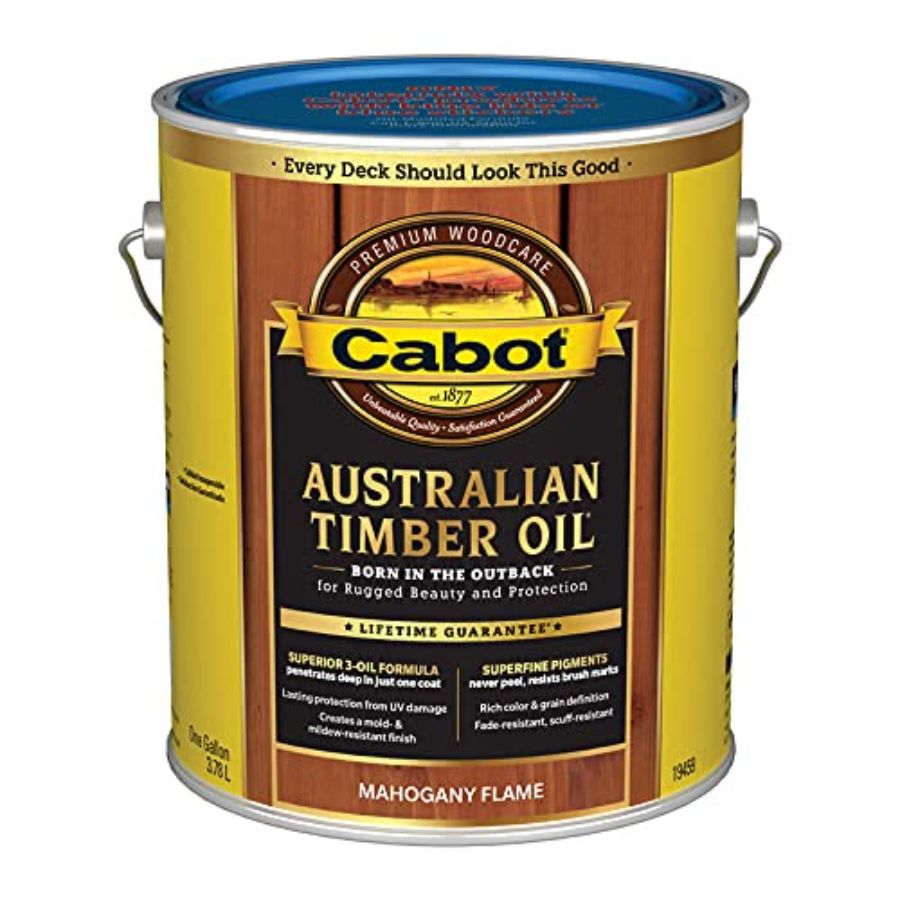
Because about 20 years ago, we had a technician working on staining a number of deck boards for a client in the shop, he did not store the rags he was using properly after he was done with them, and I got awakened early the next morning by a phone call informing me that the shop was on fire.
Yes, the rags spontaneously combusted.
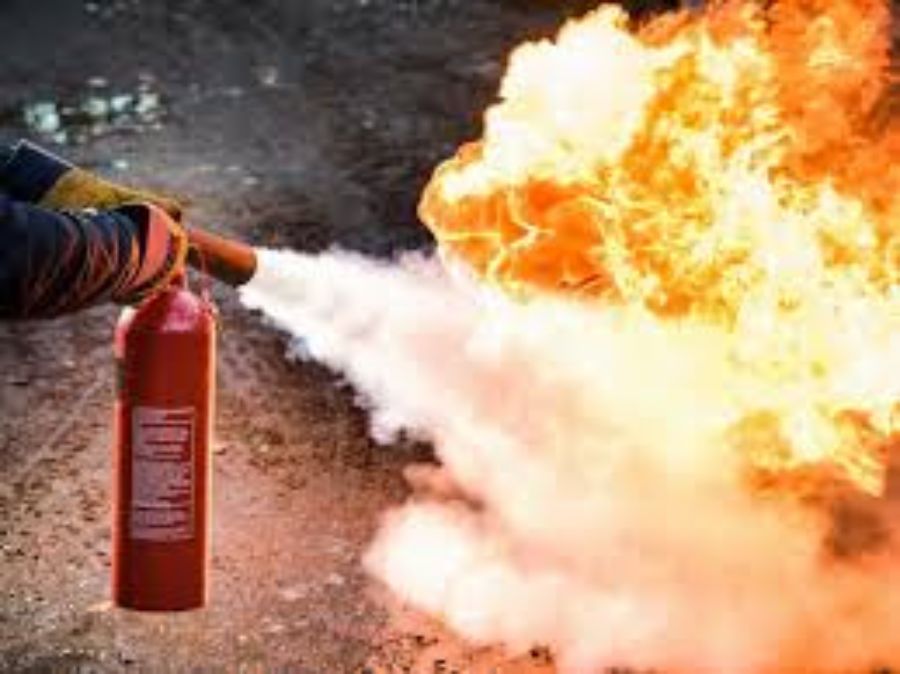
Fortunately, in our case, someone caught it in time and extinguished the flames with a fire extinguisher and although things were quite messy and needed a heck of a cleanup, everything obviously could have ended WAY worse!
Although spontaneous combustion may sound like something out of a movie – as in our real life example – it is a VERY real danger, particularly during home improvement projects.
Spontaneous combustion happens when something catches fire on its own, without a flame or spark.
This may seem impossible, but it comes down to science.
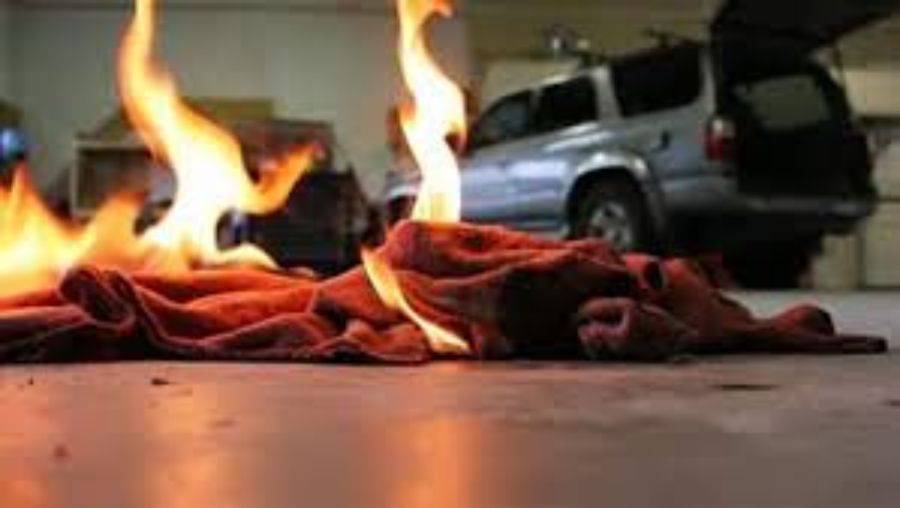
Certain materials can build up heat as they dry or break down.
If the heat has nowhere to go, the material can get hot enough to ignite.
When that happens, a fire can start even when nobody is around.
One of the most common causes of spontaneous combustion in home projects is oily rags (as in our case at the shop).
Many wood stains, paints, and finishing oils contain chemicals that dry by reacting with oxygen in the air.
That drying process creates heat.
When a rag soaked with these products is left balled up or thrown into a corner, the heat gets trapped inside.
As the rag warms up, it can reach the ignition point.
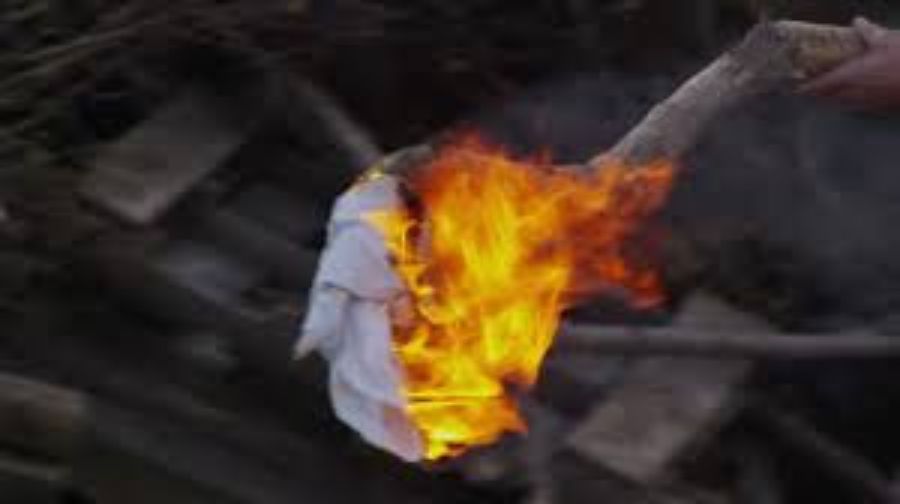
Before long, the rag bursts into flames.
This can happen in workshops (like ours), garages, or even in trash bins.
Another risk comes from materials like hay, mulch, or piles of sawdust.
While these seem harmless, they can produce heat when they decompose.
In large piles, especially if they’re damp, the heat cannot escape.
Over time, the temperature rises.
In rare cases, these piles can ignite on their own.
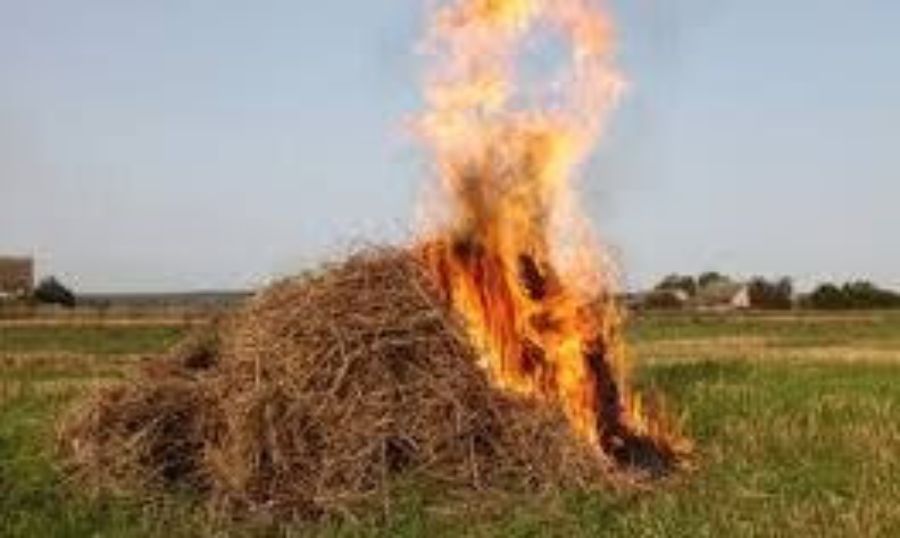
While this is more common on farms, it can still happen at homes where people store landscaping materials or create large piles of debris during projects.
We should also all be aware of chemical reactions.
Some cleaners, solvents, and glues can react when mixed or stored incorrectly.
These reactions can release heat or gases.
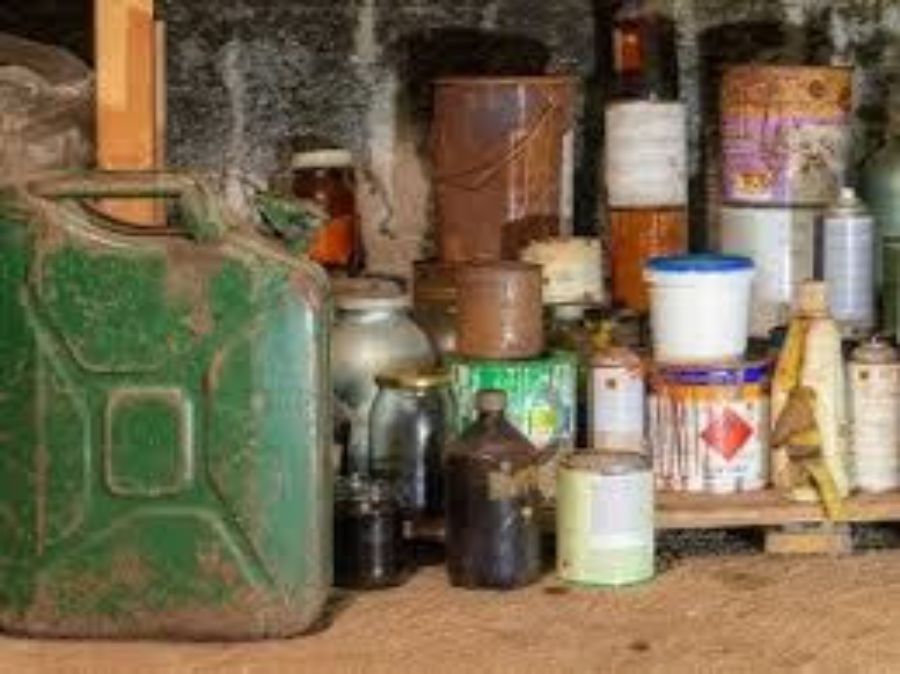
If the chemicals are in a warm area with little airflow, they become more dangerous.
Keeping them in sealed containers can also trap pressure and increase the chance of fire.
The good news is that spontaneous combustion can be prevented with simple steps.
The first and most important rule is to handle oily rags safely.
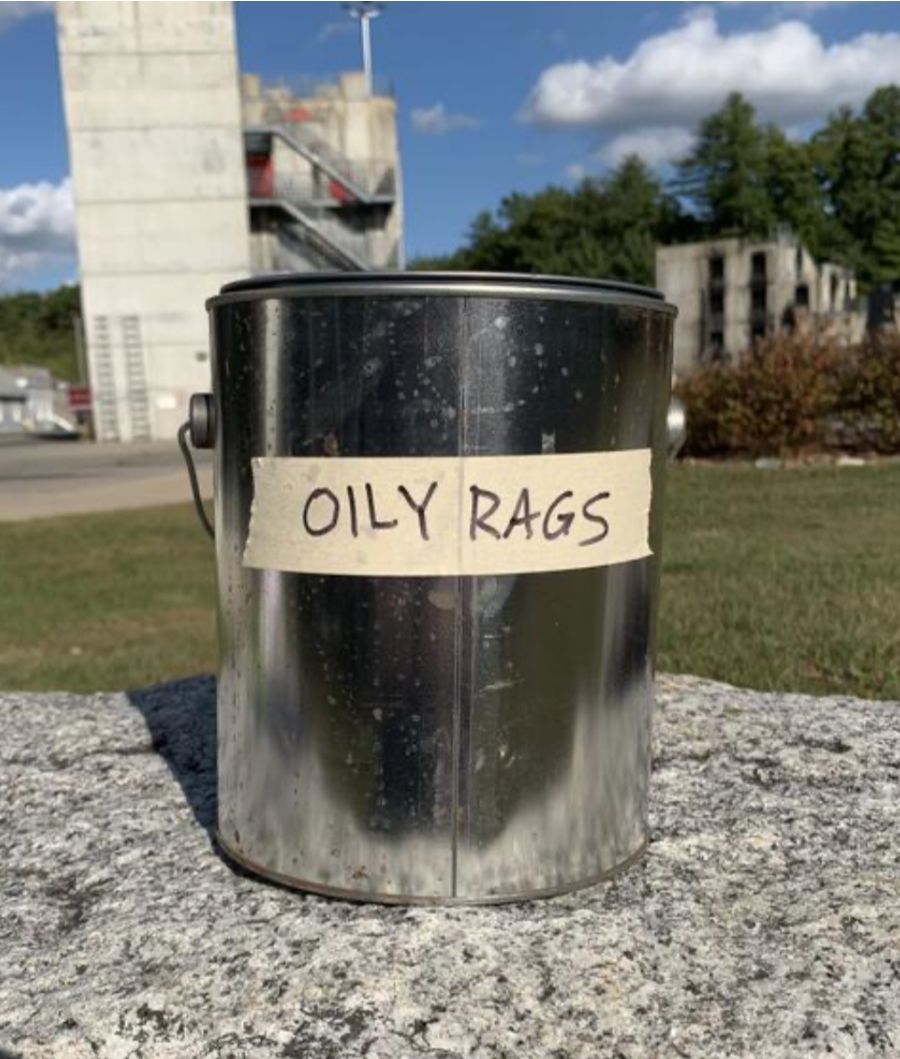
Instead of tossing them aside, lay them flat outdoors to dry. Spread them out so heat cannot build up.
Once they are completely dry and hard, they can usually be thrown away safely.
Another method is to place oily rags in a metal container filled with water and a tight-fitting lid (which is what our tech had been instructed to do at the time).
This keeps oxygen away and stops the heat reaction.
Good ventilation is another key.
Make sure your workspace has fresh air so heat and fumes don’t build up.
Avoid piling debris in tight spaces.
If you gather sawdust or yard waste, store it in smaller piles so the heat can escape.
If you are using chemicals, read the labels and warnings. Store them in cool, dry areas away from direct sunlight and heat sources.
Most importantly, keep a clean workspace.
Many fires start because someone left trash, rags, or chemicals lying around.
Taking a few minutes to clean up at the end of the day can prevent a major disaster.
Spontaneous combustion may seem mysterious, but it follows clear rules.
By understanding what causes it and how to avoid it, everyone can keep their spaces safe while working on projects.
Simple habits and smart storage can make all the difference in preventing something as seemingly absurd – and surprisingly real – as spontaneous combustion.
Follow Us on Social Media!