Attic walls sometimes get damp, and it can worry homeowners because moisture can lead to mold, rot, and other concerns.
The good news is that this problem is common and usually fixable once you understand why it happens.
One main reason attic walls get damp is condensation.
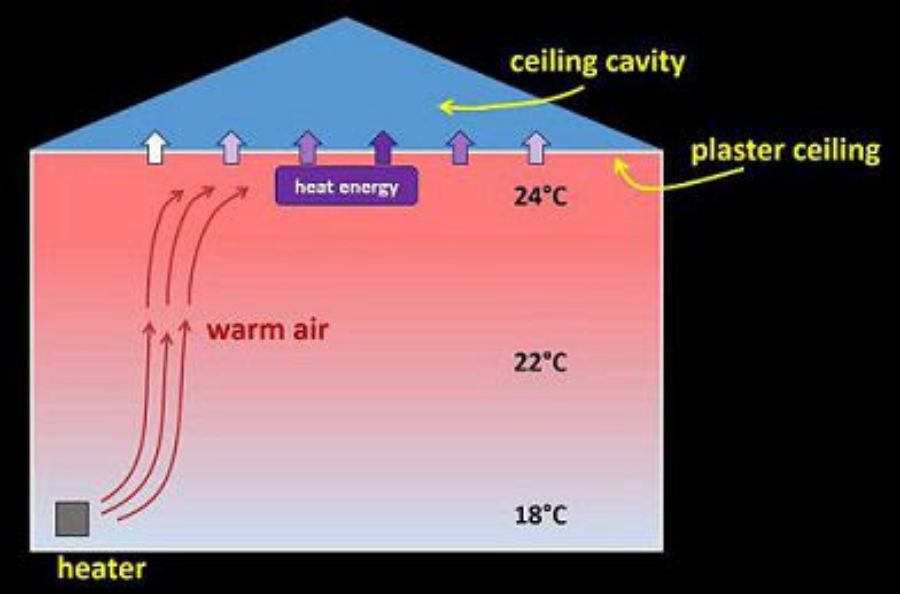
Warm air inside your home naturally rises.
When that warm, moist air reaches the attic and touches cold surfaces, like roof sheathing or exterior walls, the moisture in the air can turn into water droplets.
This is most common in Winter, when the attic is cold and indoor air is warm and humid.
Another cause is poor ventilation.
Attics need a steady flow of fresh air coming in and stale, moist air going out.
If vents are blocked, missing, or poorly designed, moisture can get trapped.
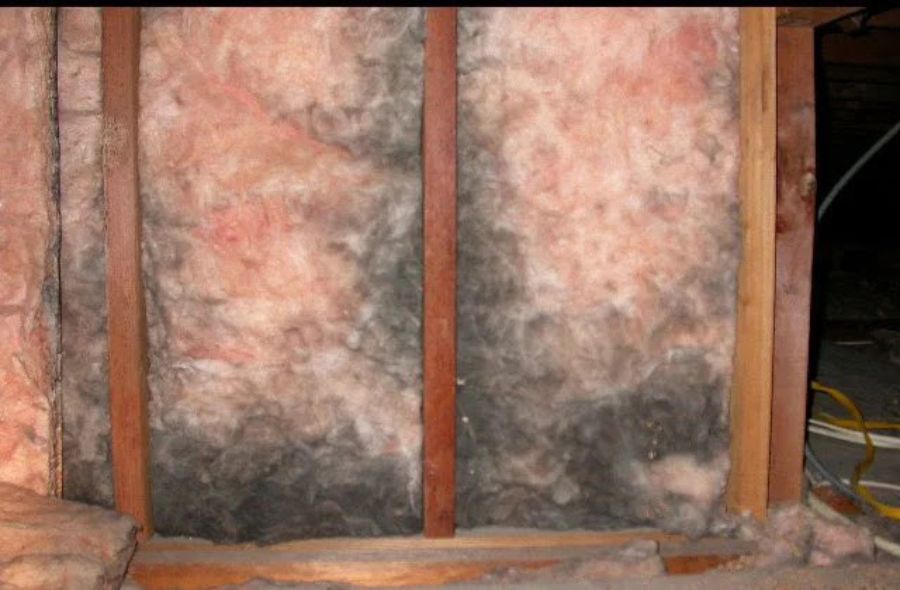
Over time, that trapped moisture can soak into insulation and framing, making attic walls feel damp.
Air leaks from the living space below are also a big factor.
Gaps around light fixtures, attic hatches, bathroom fans, and plumbing penetrations allow warm, moist air to escape into the attic.
Even small leaks can add up, especially in homes with high indoor humidity.
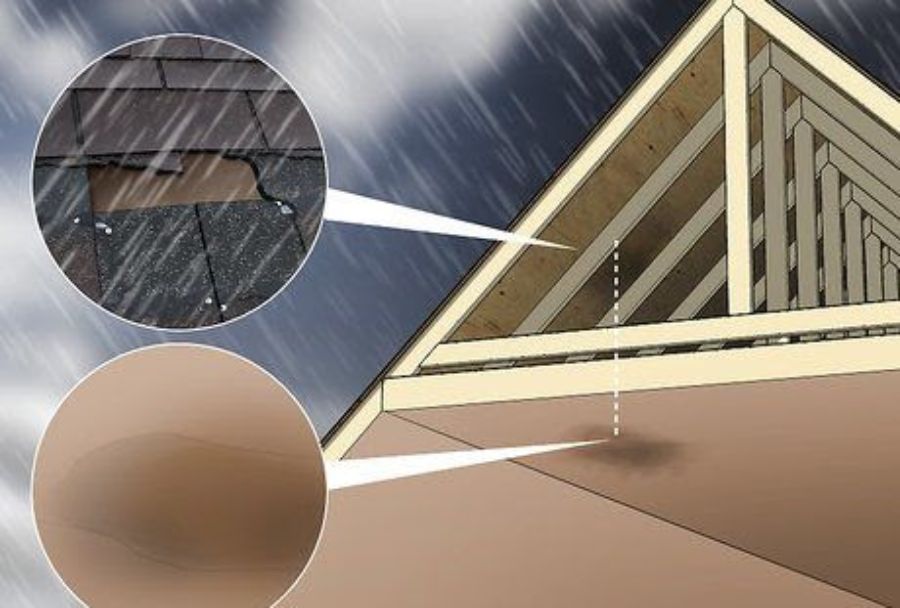
Roof or siding leaks should also be considered.
Damaged shingles, flashing, or siding can let rain or melting snow enter the attic.
Unlike condensation, this type of moisture often shows up in specific spots and may get worse after storms.
The best way to fix damp attic walls starts with controlling moisture at the source.
Sealing air leaks is one of the most important steps.
Use caulk or spray foam to seal gaps around wires, pipes, and fixtures that lead into the attic.
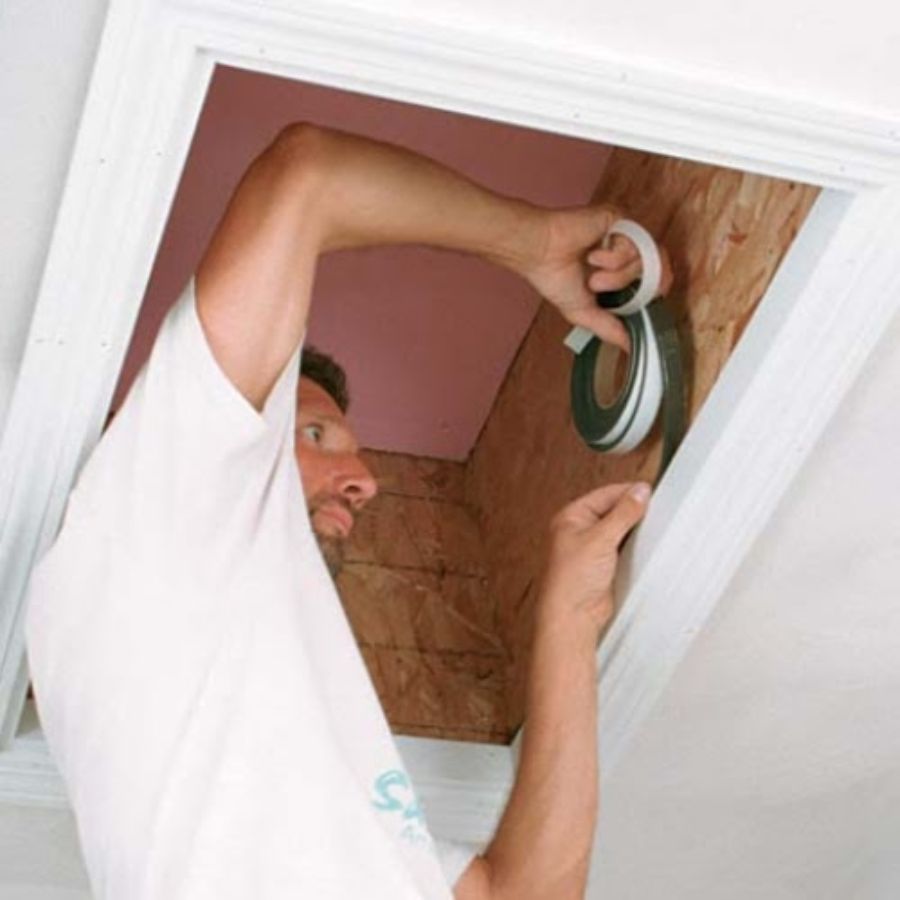
Make sure the attic hatch or pull-down stairs are tightly sealed as well.
Next, improve attic ventilation.
A balanced system usually includes intake vents, like soffit vents, and exhaust vents, such as ridge or roof vents.
This airflow helps keep the attic closer to outdoor temperature and allows moisture to escape before it causes problems.
Proper insulation also plays a key role.
Insulation slows the movement of warm air into the attic and helps keep surfaces from becoming cold enough for condensation to form.
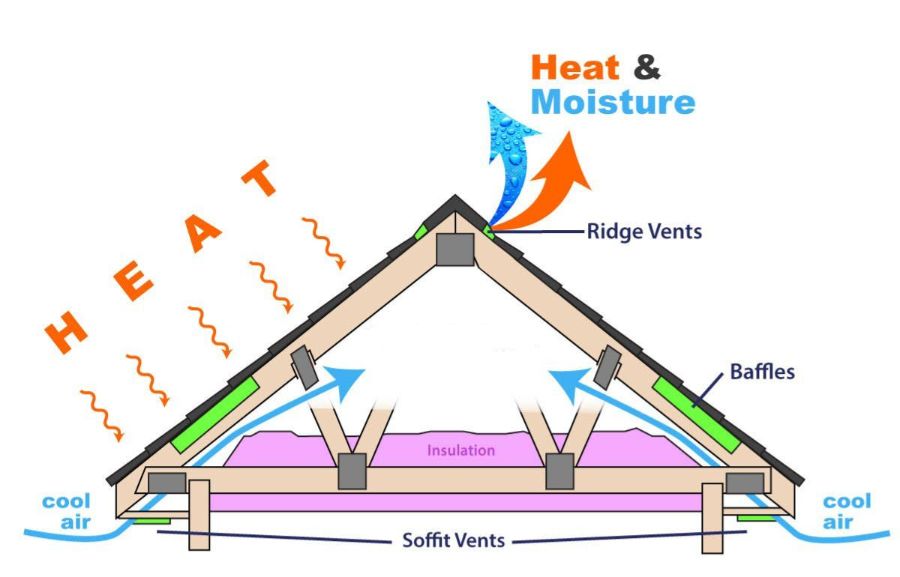
Make sure insulation is evenly distributed and not blocking ventilation paths.
Managing indoor humidity is another smart step.
Use bathroom and kitchen exhaust fans and make sure they vent outside, NOT into the attic.
In some homes, a dehumidifier can help keep moisture levels under control, especially during winter.
Finally, inspect and repair any roof or siding damage.
Fixing leaks promptly prevents water from entering and protects the attic structure.
Regular inspections, especially after severe weather, can catch issues early.

Taking action early saves money and stress.
Dampness rarely fixes itself and usually gets worse over time.
When moisture stays hidden, damage can spread without warning.
If the problem feels overwhelming, a qualified contractor or home energy professional can help diagnose causes and recommend solutions.
Addressing attic moisture protects comfort, indoor air quality, and the long-term value of your home.
Simple maintenance habits can make a lasting difference for homeowners everywhere over time.
Follow Us on Social Media!