When a tree falls on power lines, it can cause scary scenes, outages, and confusion about who is responsible.
The answer depends on where the tree came from, who owns the land, and what was damaged.
Knowing the basics can help homeowners stay calm and take the right steps.
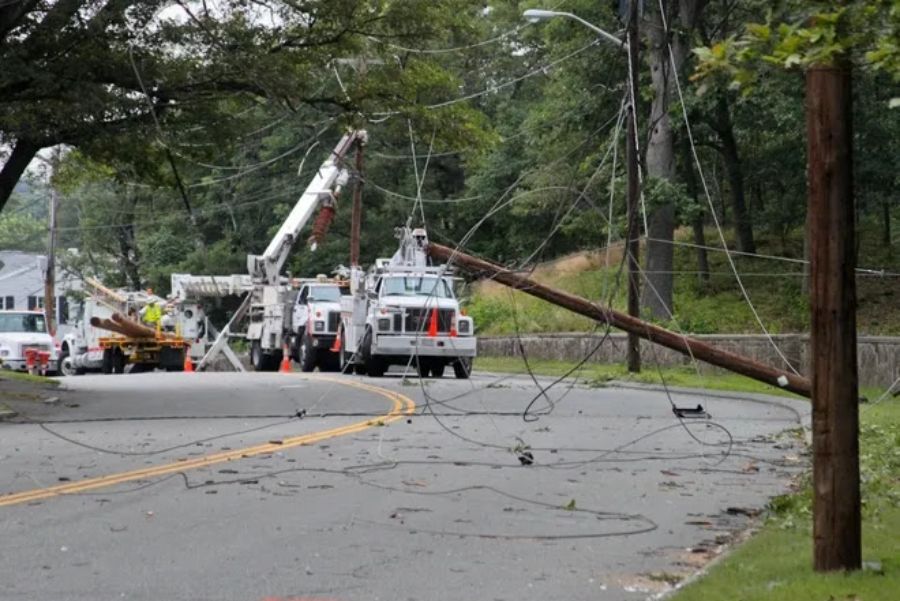
First, the electric utility company is usually responsible for the power lines themselves.
This includes the wires, transformers, and equipment that delivers electricity to homes and businesses – possibly the pole (if applicable) as well, though in many communities things can get a little wonky as the phone/cable company may actually own the pole itself.
If a tree knocks down a line or pole, the utility company(ies) must repair it and restore power.
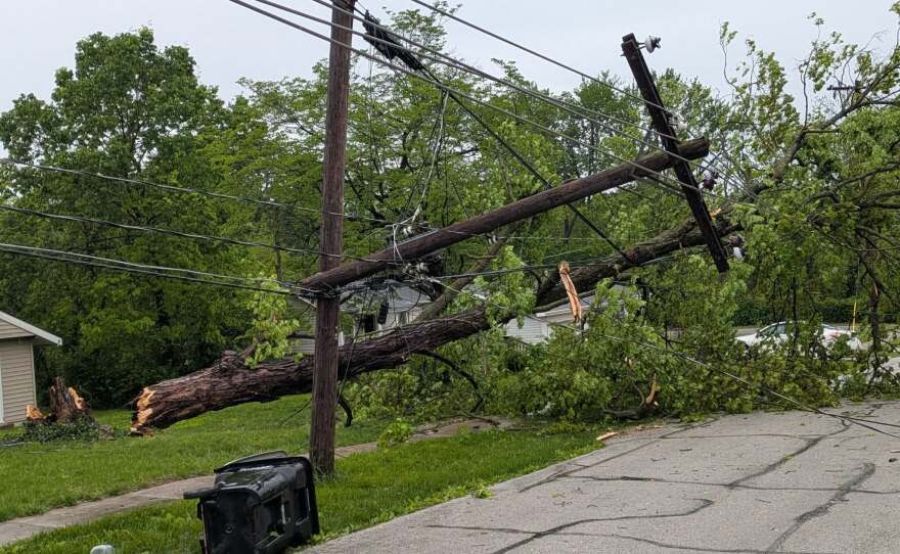
Homeowners should never try to move or fix power lines, even if they are on their property, because live wires are extremely dangerous.
Next, responsibility for the tree depends on ownership and cause.
If a healthy tree falls due to a storm, strong wind, or lightning, it is often considered an “act of nature.”
In that case, the property owner where the tree lands is usually responsible for cleanup, not the owner of the land where the tree grew.
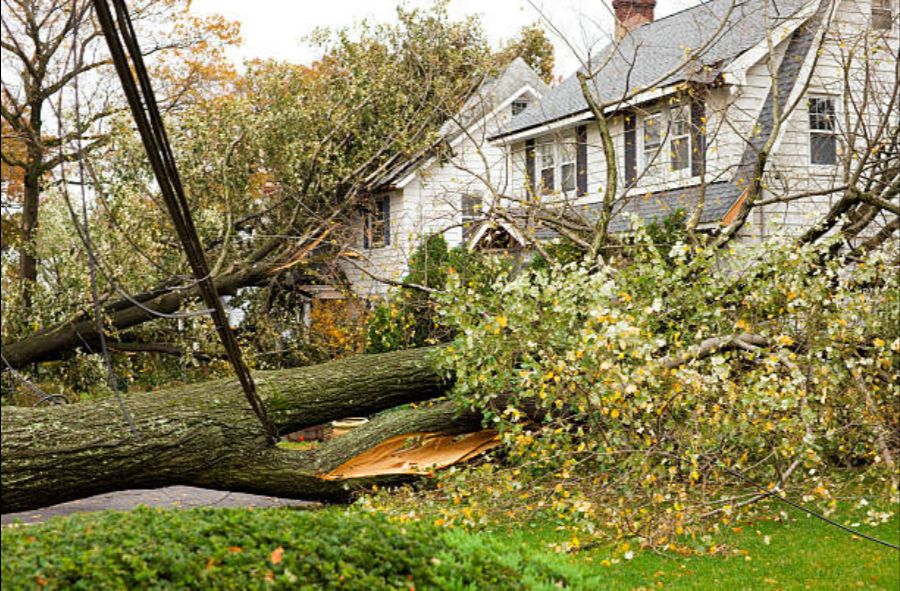
For example, if your neighbor’s healthy tree falls into your yard and hits the power line, you may be responsible for removing the tree debris on your property, while the utility fixes the line.
However, things change if the tree was dead, rotting, or clearly unsafe before it fell.
If a property owner knew, or should have known, that a tree was dangerous and failed to take care of it, they could be held responsible for damage it causes.
This may include damage to power lines, homes, or cars.
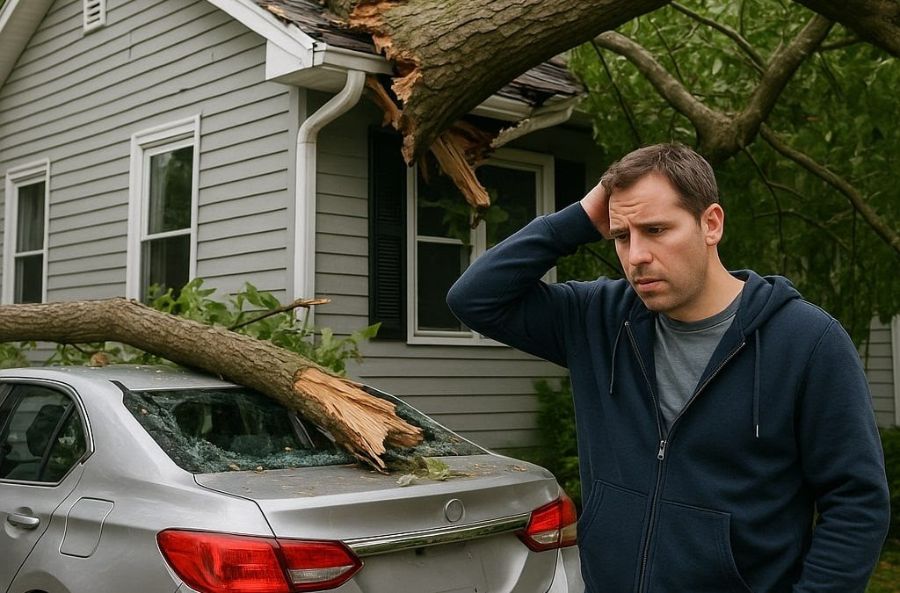
For example, if your neighbor’s healthy tree falls into your yard and hits the power line, you may be responsible for removing the tree debris on your property, while the utility fixes the line.
However, things change if the tree was dead, rotting, or clearly unsafe before it fell.
If a property owner knew, or should have known, that a tree was dangerous and failed to take care of it, they could be held responsible for damage it causes.
This may include damage to power lines, homes, or cars.
In these cases, insurance companies often get involved to decide fault and payment.
Homeowners are generally responsible for trees on their own property.
This includes regular maintenance, trimming, and removal of trees that pose a risk.

If a tree on your land falls and damages your service line, which is the line running from the pole to your house, you may be responsible for repairs to that portion.
The utility company usually handles everything up to the pole, while the homeowner handles the connection to the house.
Insurance also plays a big role.
Homeowners insurance often covers damage caused by falling trees, depending on the policy and situation.
If the tree hits your home, fence, or driveway, your insurance may help pay for repairs and removal.
Damage to utility equipment is usually handled by the utility’s insurance.
If a tree falls on power lines, safety comes first.
Stay far away from downed lines, assume they are live, and call the power company right away.
You may also need to contact your local emergency services if the situation is dangerous.
It is also smart to document everything after the incident.
Take photos, note dates, and keep records of calls.
This information helps with insurance claims and disputes.
Checking local rules can also help, since some towns have special tree or utility laws.
By understanding roles ahead of time, homeowners can respond faster, avoid risky actions, and reduce stress when storms or accidents cause sudden power problems.
Preparation and clear communication often make recovery smoother for everyone involved after unexpected emergencies occur.
Follow Us on Social Media!