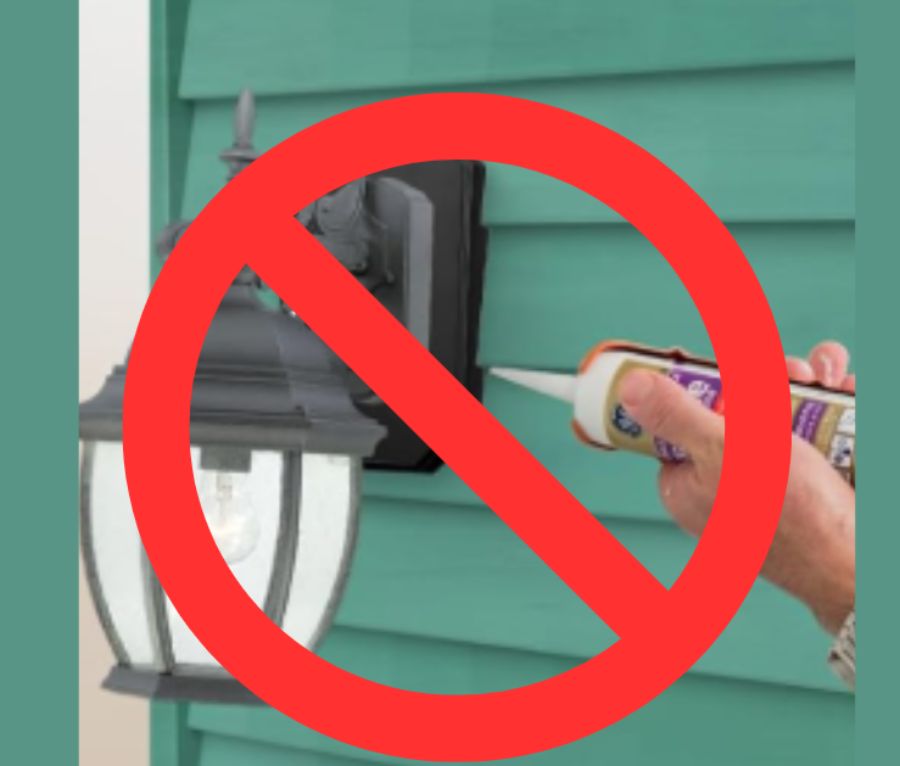
“Silicone” is NOT the answer.
When installing exterior light fixtures on your home, there are some folks – even some professional electricians – who believe that simply running a bead of exterior-grade silicone around the light block that the fixture itself is mounted to is proper enough to guard against moisture, various types of weather, insects, and things of this nature.
I believe this to be 100% incorrect.
It is very important to make sure your exterior light blocks are properly flashed because this simple step protects your home from water damage, mold, and early deterioration.
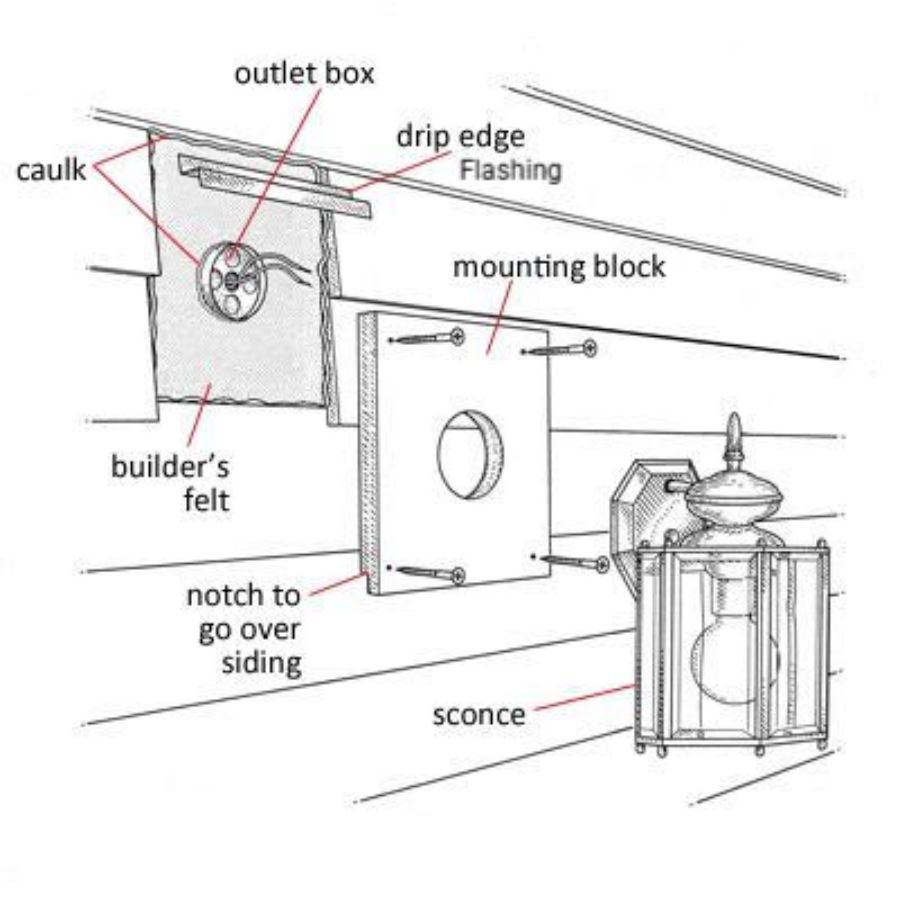
Exterior light blocks may look small, but they create openings in your siding where water, wind, and insects can slip in if the area is not sealed the right way.
Only correctly flashing these blocks is what truly keeps that from happening.
Flashing is a thin layer of material, usually metal or a waterproof membrane, which directs water away from the house.
If the flashing around a light block is missing, loose, or installed wrong, water can seep into the wall every time it rains.
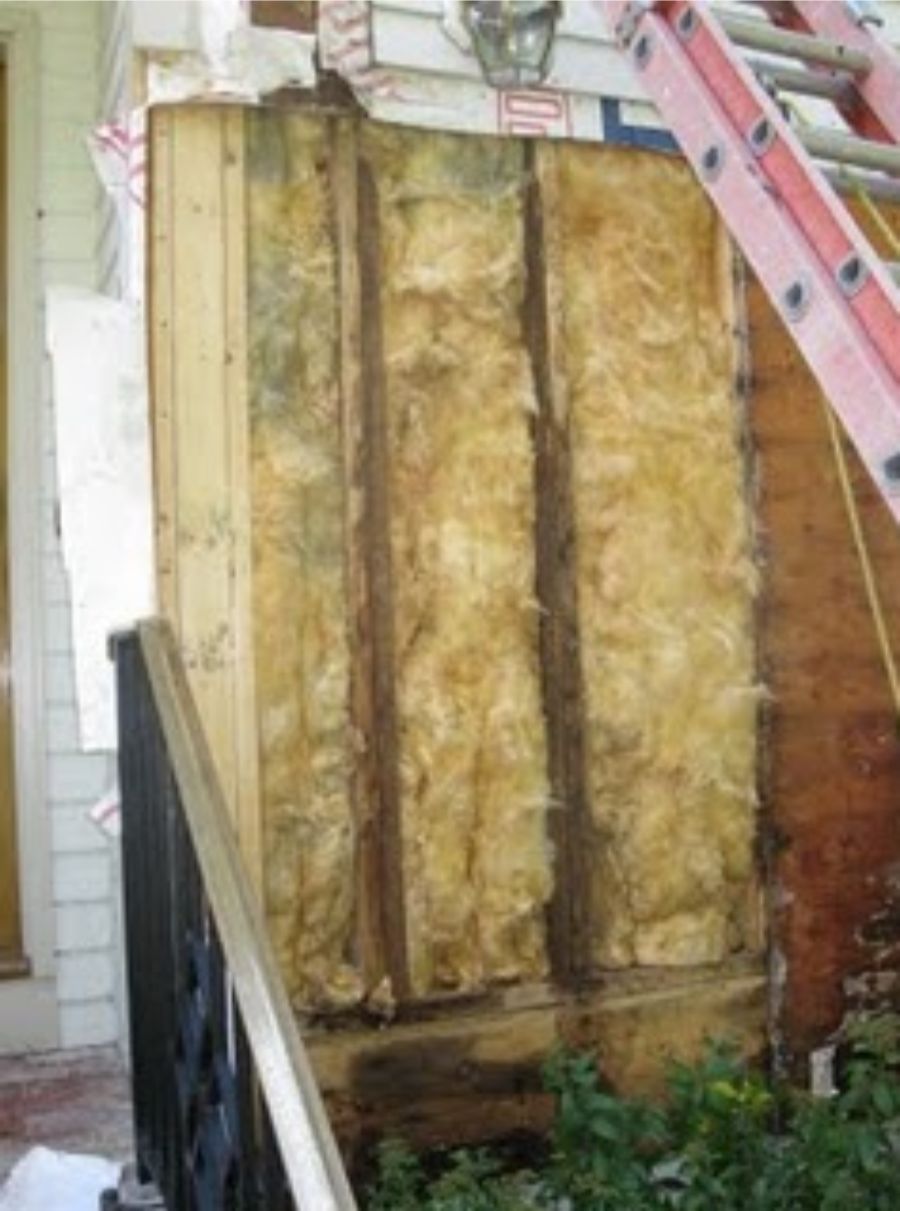
This may not seem like a big deal at first, but over time the water starts to soak into wood framing, sheathing, and insulation.
Wet wood becomes soft and weak, which can lead to rot.
Rot can spread quietly inside the wall, and by the time you notice it, the damage may be serious and expensive to repair.
Good flashing helps stop these problems before they start.
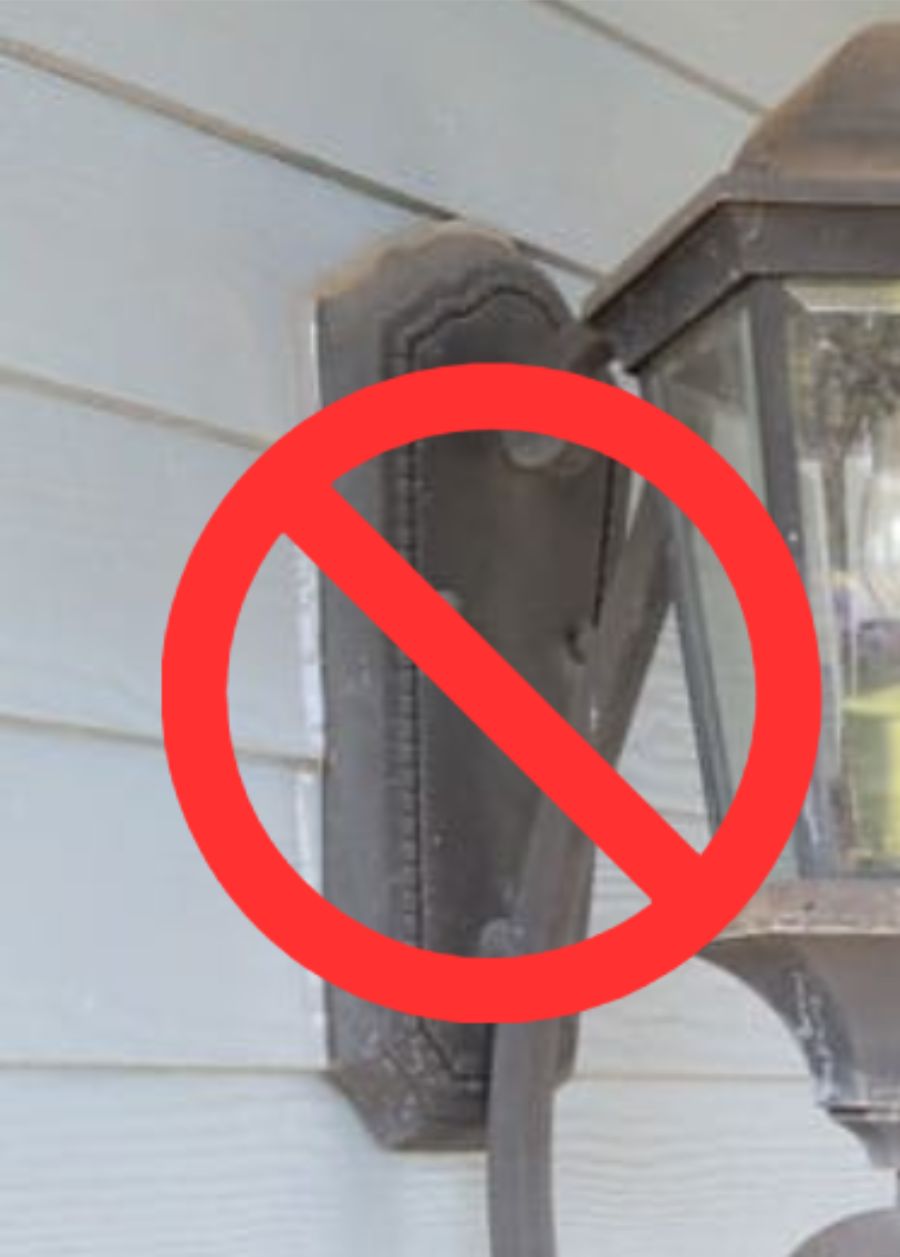
The reason silicone is not preferred is that over time, the silicone will shrink and as the areas around the silicone naturally expand and contract, this greatens the chance that a point of susceptibility may open up and allow moisture, insects, etc. to get in where they are not supposed to.
This moisture that gets trapped behind siding can also encourage mold and mildew growth.
Mold does not just look bad; it can affect the air quality inside your home.
In some cases, it can even cause health issues for people with allergies or breathing problems.
Proper flashing around light blocks, however, helps keep the inside of your walls dry, which lowers the chance of mold growing and spreading.
Another important reason to correctly flash exterior light blocks is energy efficiency.

When water gets into the wall, it can damage insulation.
Damaged insulation does not work well, which can make your heating and cooling systems work harder.
This can lead to higher energy bills.
Correct flashing will be the most effective way to keep moisture out, which helps insulation stay dry and effective.
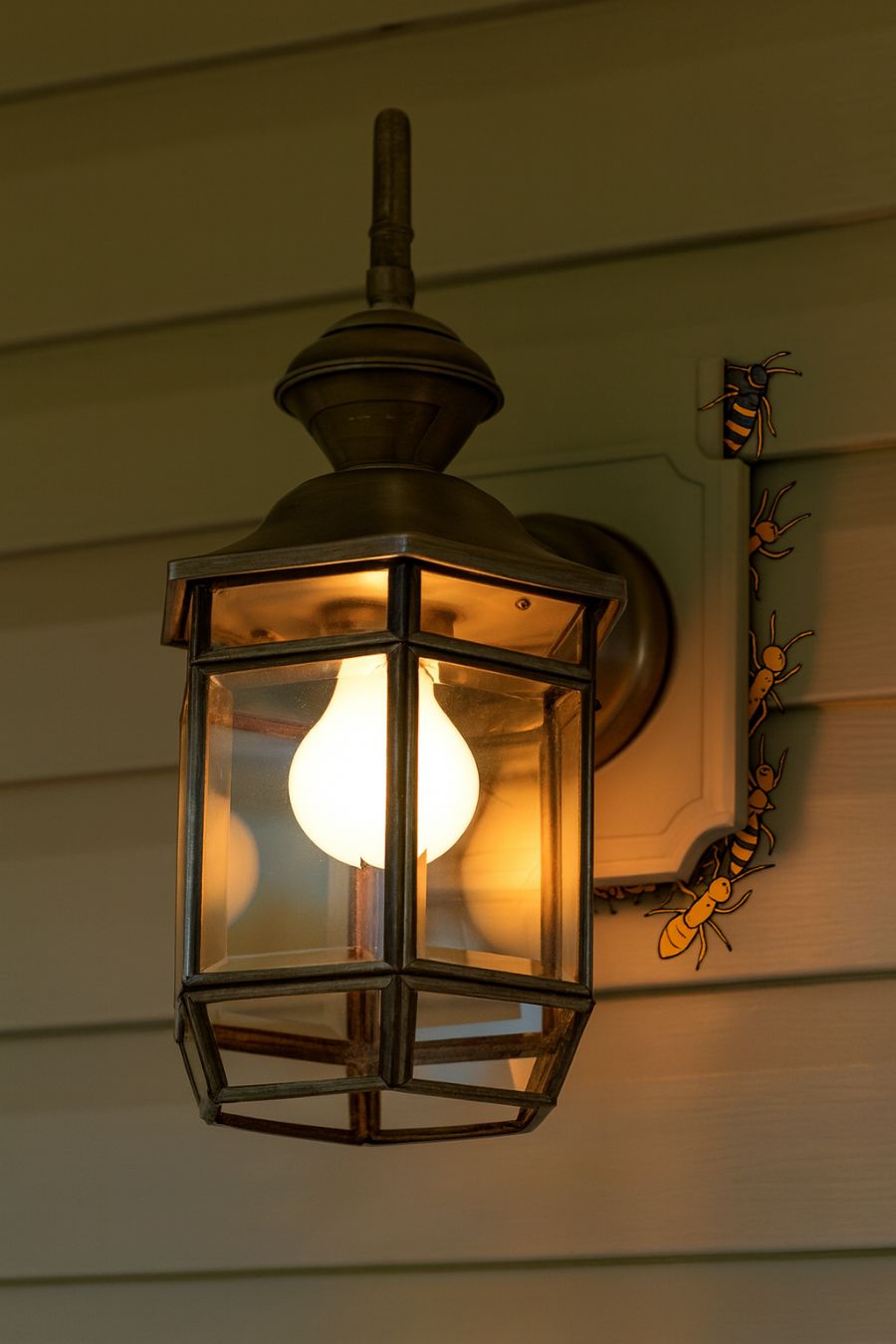
Insects are another concern.
Small gaps around light blocks are easy entry points for pests like ants, termites, or wasps.
Termites especially can cause major damage if they get inside the walls.
Proper flashing helps close off these small gaps, so insects are less likely to find a way in.
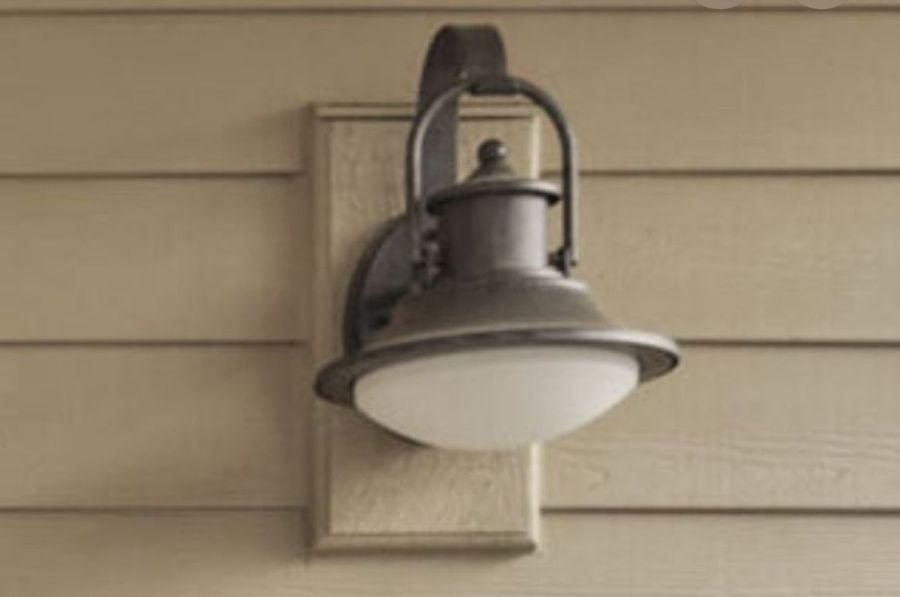
Flashing also protects the siding itself.
When water gets trapped behind siding, it can cause boards or panels to warp, crack, or separate from the house.
This affects both the look of your home and its long-term durability.
Once siding starts to fail, repairs can become quite costly – especially these days! – and replacing siding is even MORE expensive. Flashing helps move water away so siding lasts much longer.

Proper flashing also helps your home meet building standards.
Many building codes require flashing around exterior penetrations because it is proven to prevent damage.
If the flashing is missing or incorrect, it could lead to issues during home inspections or when selling the house.
Taking the time to check this detail ensures your home stays protected in every season.
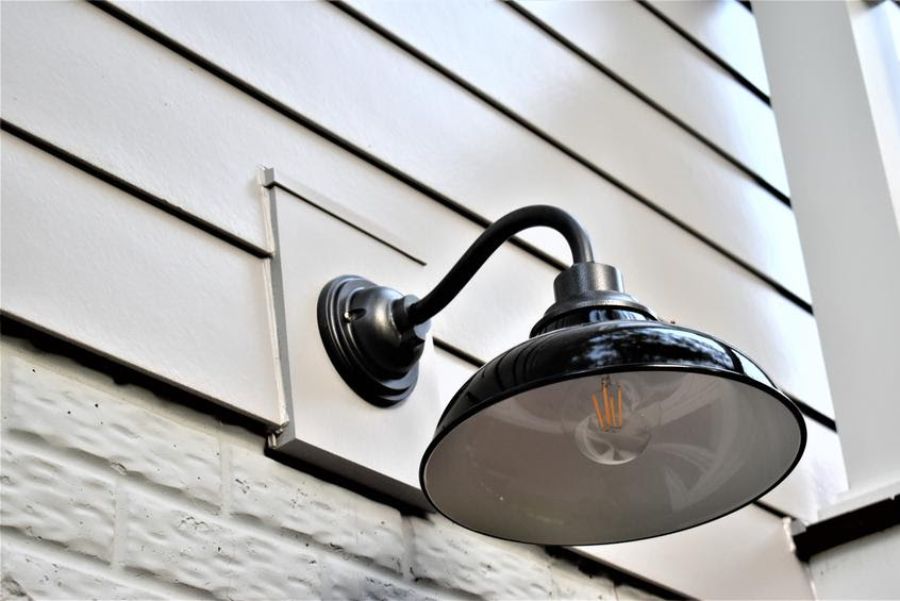
It may seem simple – especially around something as seemingly tiny as a mounting block for a light fixture – but proper flashing is one of the most important defenses your home’s exterior can have.
Follow Us on Social Media!