It really does not matter whether your deck is coated with some type of stain system or some type of exterior floor enamel or specialty deck coating.
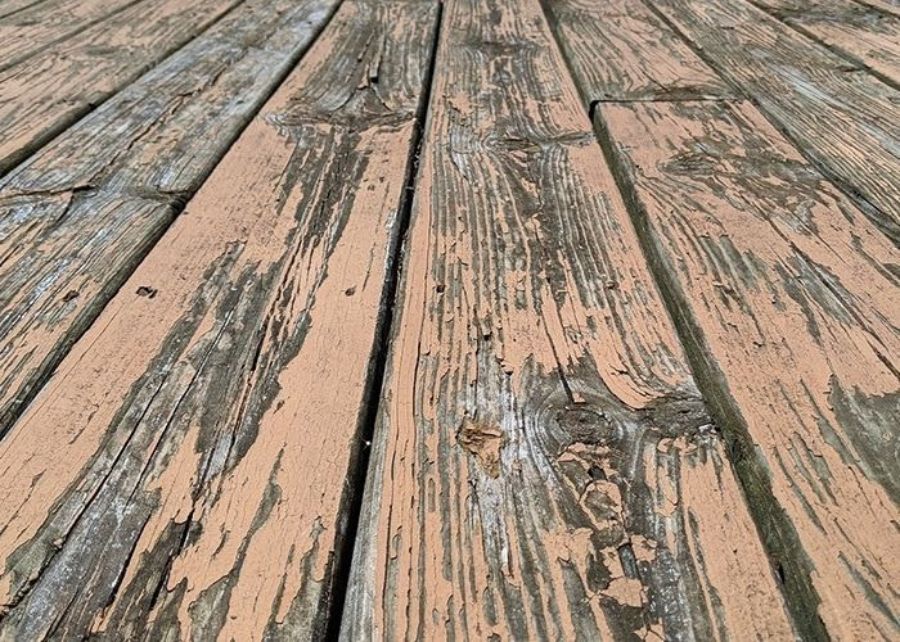
Your deck is inevitably going to peel, and most likely WAY sooner than you would prefer.
Why is this the case?
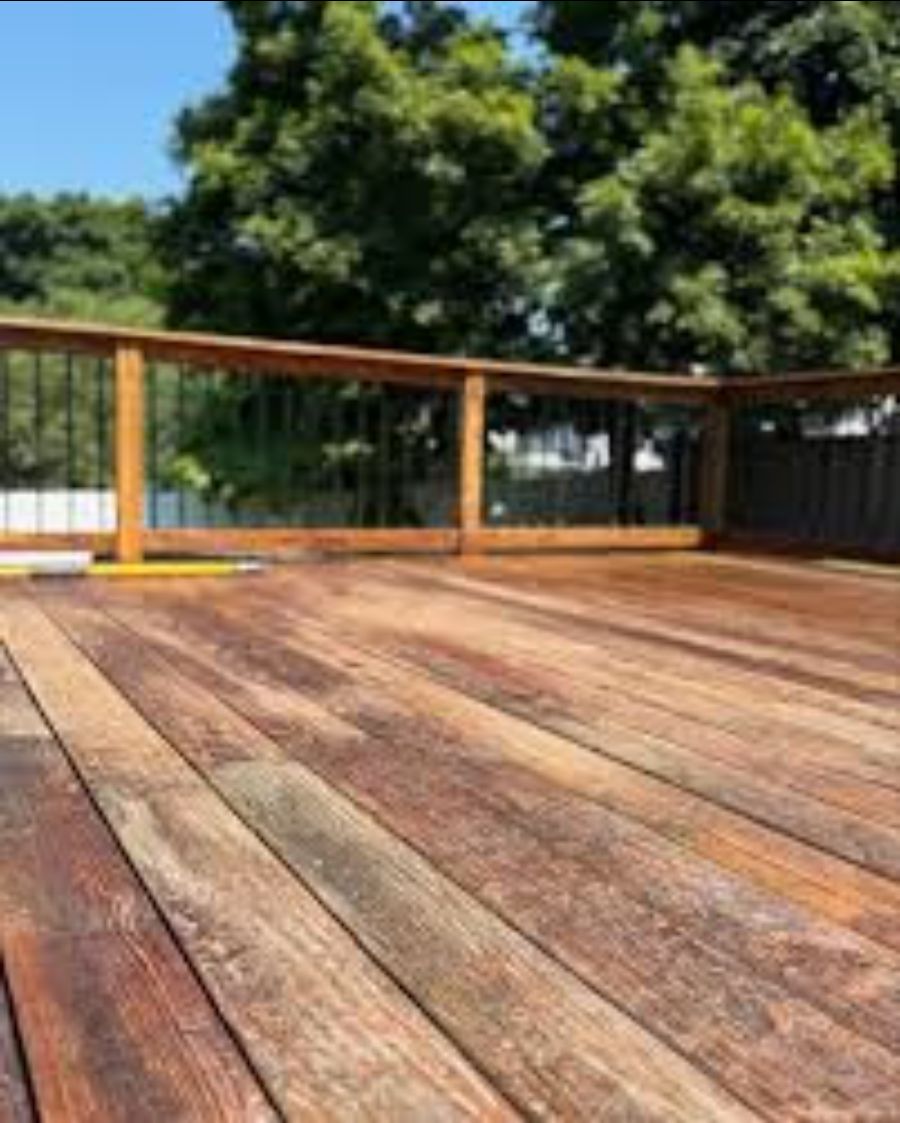
Whether it is a home improvement company salesperson, a manufacturer or even a well-meaning friend or family member, no matter what they tell you about the subject, wood decks are extremely difficult surfaces to coat for the long term.
The main reason is simple.

A deck is one of the harshest environments on the outside of a home.
The wood is constantly expanding and shrinking as temperatures and moisture levels change.
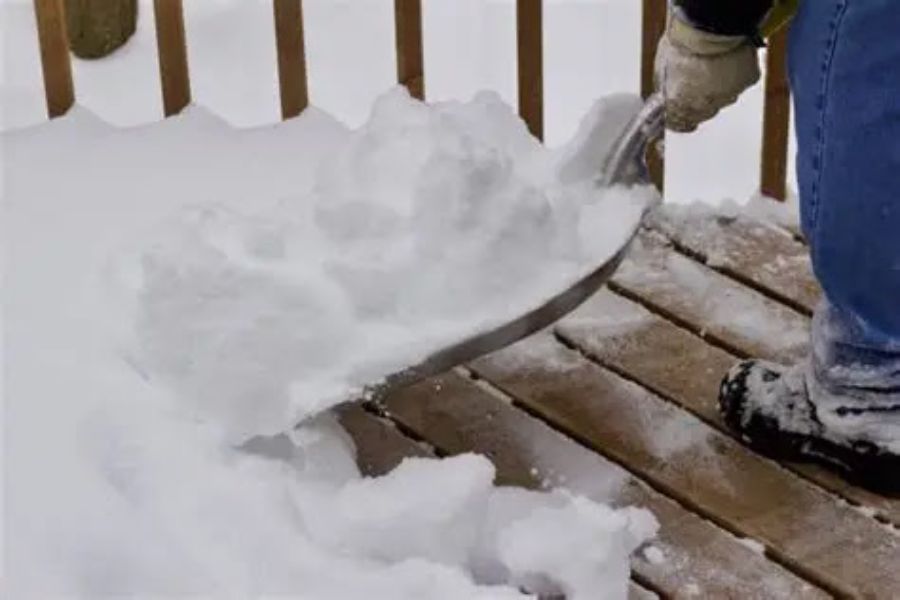
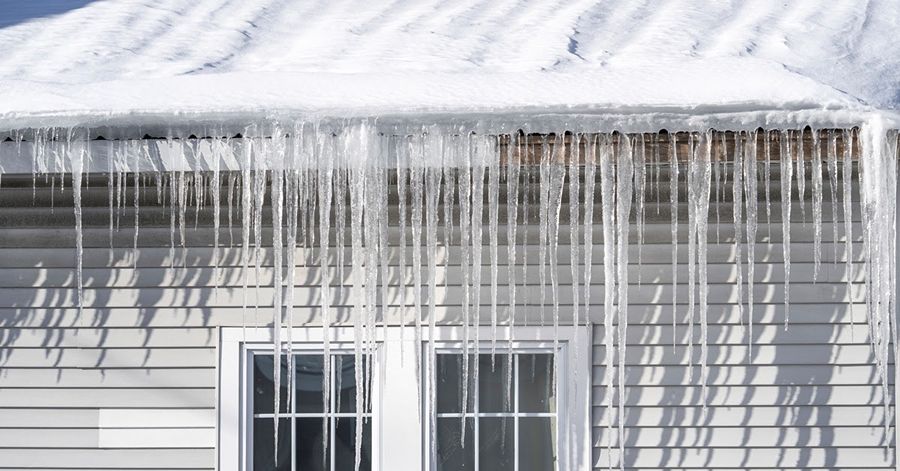
Rain soaks into the wood. Hot sun dries it out. Snow and ice sit on the surface for long periods of time.
Then people walk across it every day, drag furniture over it, shovel it in winter, and grill on it during summer.
All of this movement and abuse puts stress on the coating above it.
Another major issue is the type of wood itself.
Pressure treated lumber is a perfect example.
During manufacturing, the wood is packed with preservatives under pressure to help resist rot and insects.
While this process helps the wood last longer structurally, it often makes it harder for coatings to properly penetrate the surface.
Even if the wood has been allowed to “weather”, many coatings still struggle to soak into the grain.
Instead of penetrating into the wood itself, the coating often sits on the surface like a thin shell or like a sheet on a bed.
Harder woods can create similar problems for different reasons.
Dense hardwoods such as mahogany are naturally tight-grained and less absorbent.
Because the wood is so dense, many coatings cannot penetrate deeply into the surface.
Once again, the product mainly sits on top instead of soaking into the wood.
While these hardwoods are beautiful and durable, they can still experience peeling and coating failure when the wrong preparation methods or products are used.
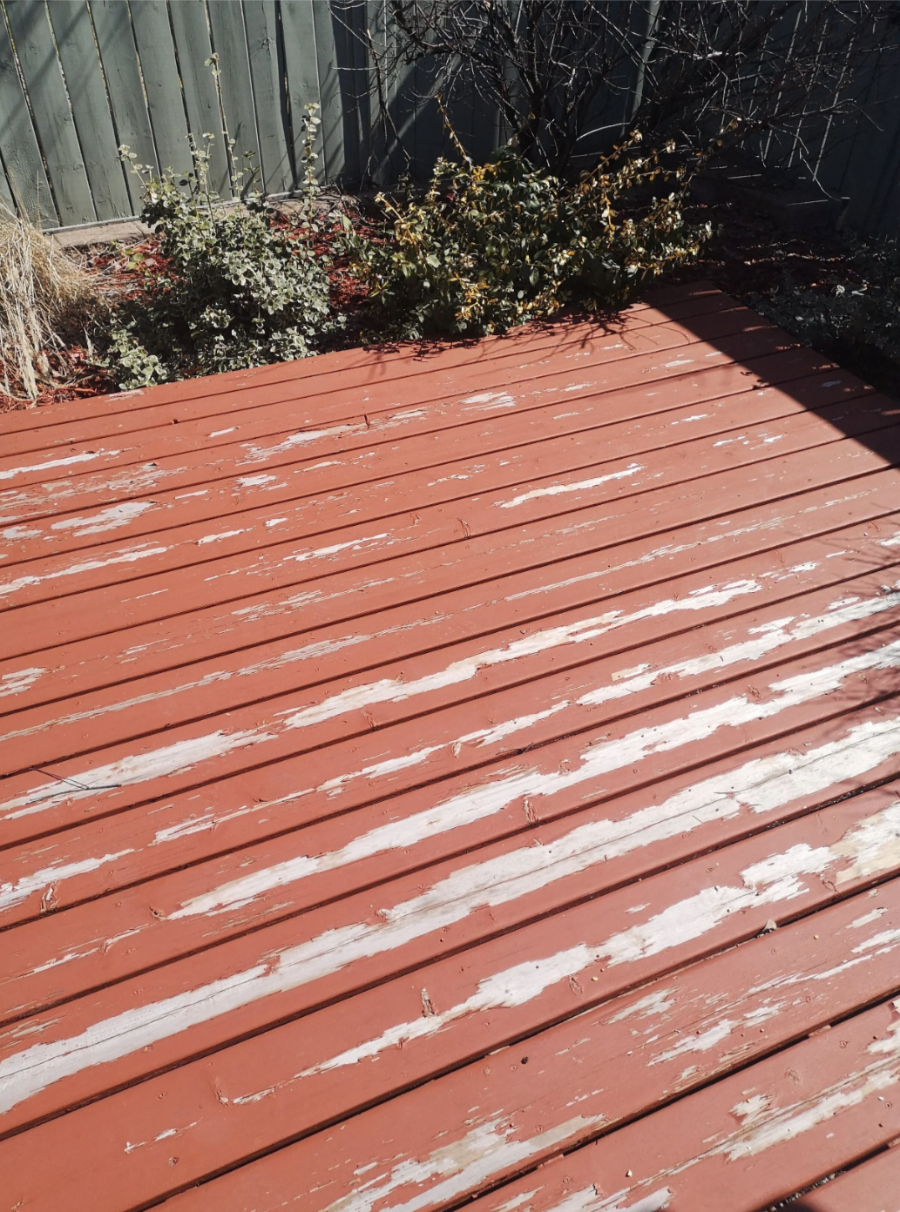
Most coatings fail because of this fact of them only sitting on the very top layer of the wood without ever sinking into the wood grain itself.
Over time, moisture gets underneath the coating through cracks, nail holes, joints, or the underside of the deck boards.
Once moisture becomes trapped below the surface, the coating loses any semblance of adhesion it may have had.
When the sun heats the deck, that trapped moisture tries to escape.
The pressure pushes upward and causes bubbling, peeling, and flaking and typically showing bare wood without any sign of penetration along the way.
Poor preparation leads to other problems as well.
Many decks are simply cleaned and recoated without correctly being properly prepared prior to coating.
That is similar to painting over loose wallpaper.
The new coating may look good at first, but it is only as strong as the weak layer below it.
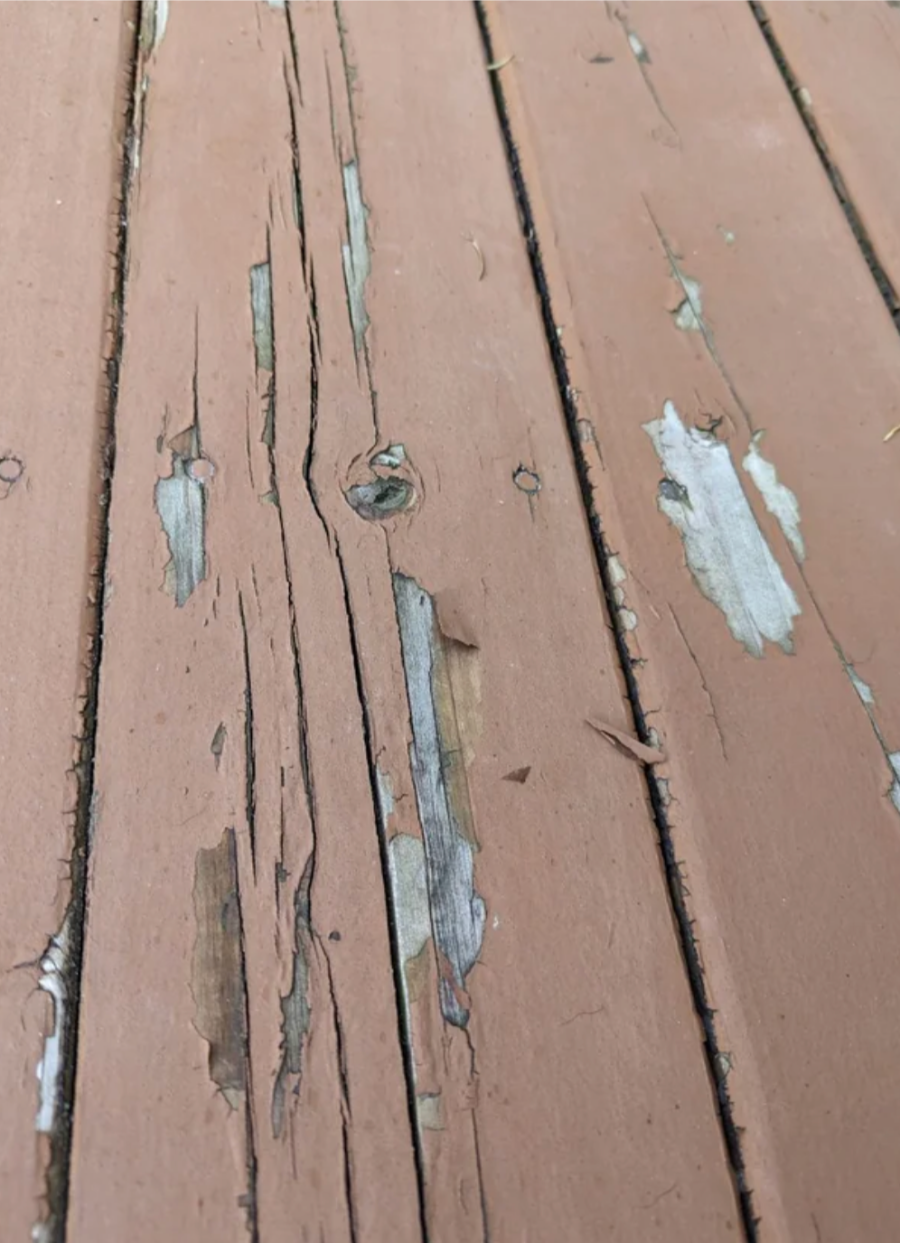
Once the old coating lets go, everything on top fails with it.
Literally, the only true long-term solution, short of replacing the deck completely, is to fully remove the old coating through a process called ‘media blasting’ and then properly rebuilding the finish system from bare wood.
Media blasting strips away failed coatings and also essentially etches the wood and leaves a much cleaner surface than scraping or pressure washing alone could ever do, as well as setting the surface up for proper coating penetration and adhesion.
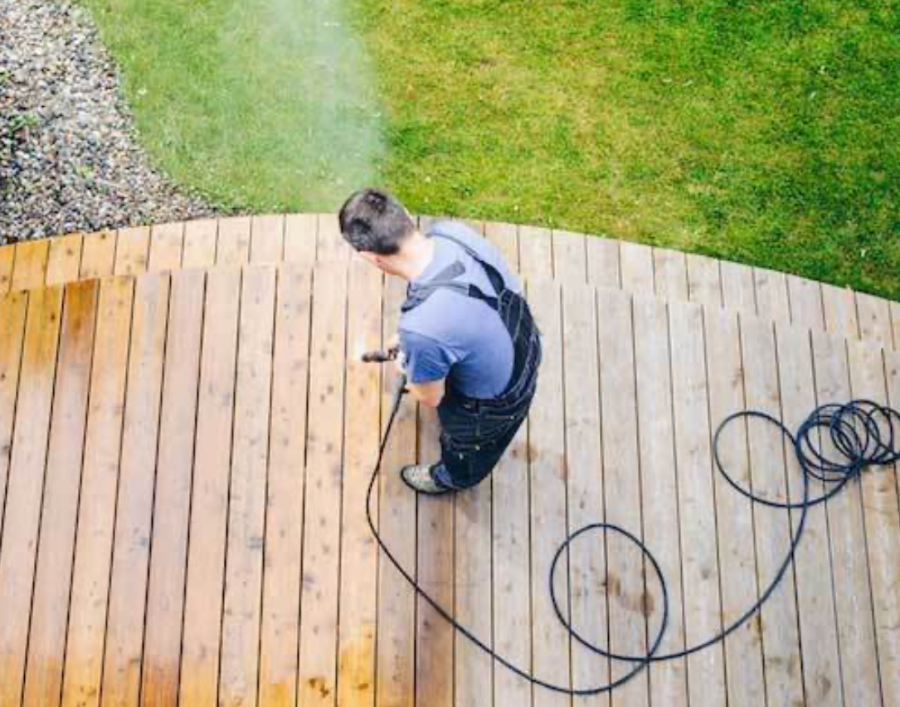
After the blasting, the deck must be cleaned thoroughly and sanded correctly.
Once the surface is prepared, the first coat of finish should be applied and you will immediately notice how nicely it penetrates.
This first coat will naturally raise the grain of the wood.
That is normal and expected.
After the first coat dries, the surface should be sanded again to smooth the raised fibers and create a better surface for the final coat.
The final coat then evens things out and provides a truly consistent look.
This process takes more time, labor, and skill than what may be considered traditional methodologies, but it gives the coating the best possible chance to actually last.
Although moving forward the deck still will need some maintenance, the type of work it will need would be to simply clean it and apply a maintenance coat of your product of choice as the painstaking days of seemingly endless scraping and sanding will have concluded forever.
Follow Us on Social Media!