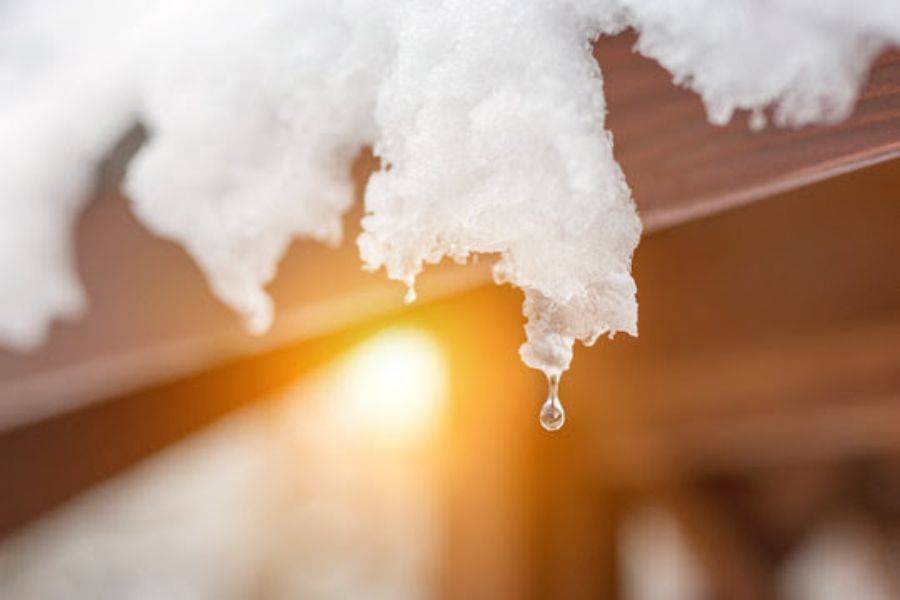
Living in New England, sometimes we get a winter to “remember”.
Typically, these memories are not the type where we enjoy sharing how warm and sunny it was.
Usually, it is the exact opposite.
Constant dreariness, ice dams, snow piled 10 feet high that seems like it will still be there in July, etc.
When experiencing these types of winters, particularly ones where our properties are covered in snow for extended lengths of time, there is sure to be some maintenance to be done after the snow – eventually – clears itself out.

There is definitely often a sense of relief when the snow does disappear, as many homeowners feel their spirits uplifted.
The driveway is clear, the yard starts to show again, and the days slowly get warmer.
However, this melting snow can reveal problems that were hidden during the winter months.
Naturally, there certainly may be fallen tree limbs, scattered leaves, yard debris, and the like that should be addressed.

But early spring is also a very important time to walk around your home and look for signs of damage or wear to the house itself.
Catching any size issue early on can prevent much bigger and more expensive repairs later.
One of the first things to check is the roof.
Snow and ice put a lot of weight and stress on roofing materials.

Look for missing shingles, bent flashing, or dark spots where water may have seeped in.
Ice dams can also push water under shingles, which may cause leaks inside the home.
If you notice pieces of shingles in your yard or dark stains on ceilings inside, it may be time to call a home improvement professional to examine things further.

Gutters and downspouts are another key area to inspect.
During the winter they can fill with ice, leaves, and debris.
When snow melts, clogged gutters cannot move water away from the house.
This can cause water to overflow and run down along the siding or collect near the foundation.
Make sure gutters are clear and that downspouts direct water several feet away from the house.
Next, take a careful look at the foundation.
Freezing and thawing soil can cause small cracks to form in concrete or masonry.

Walk around the entire home and look for new cracks, gaps, or areas where water is pooling near the base of the house.
Even small cracks can grow larger over time if water keeps getting inside them.
Driveways, walkways, and patios should also be inspected.
Frost heaves can lift sections of pavement or stone during the winter.
As the ground thaws, these areas may settle unevenly. This can create tripping hazards or allow water to collect in low spots.
Noticing these changes early can help you plan repairs before the damage spreads.
Finally, check exterior wood and siding.
Snow piles that sat against the house all winter can trap moisture.

Look for peeling paint, soft wood, or areas where siding has pulled loose.
These can be early signs of rot or water damage.
A careful walk around your home each spring can help keep it safe, dry, and in good condition for the year ahead.
Taking a little time to inspect your property each spring can save homeowners stress and money later on.
Winter weather is tough on homes in general, especially in New England.
By spotting problems as soon as possible, you will be able to schedule the appropriate repairs before they turn into larger issues that cost far more to fix in the future than they do at the present time.
Follow Us on Social Media!