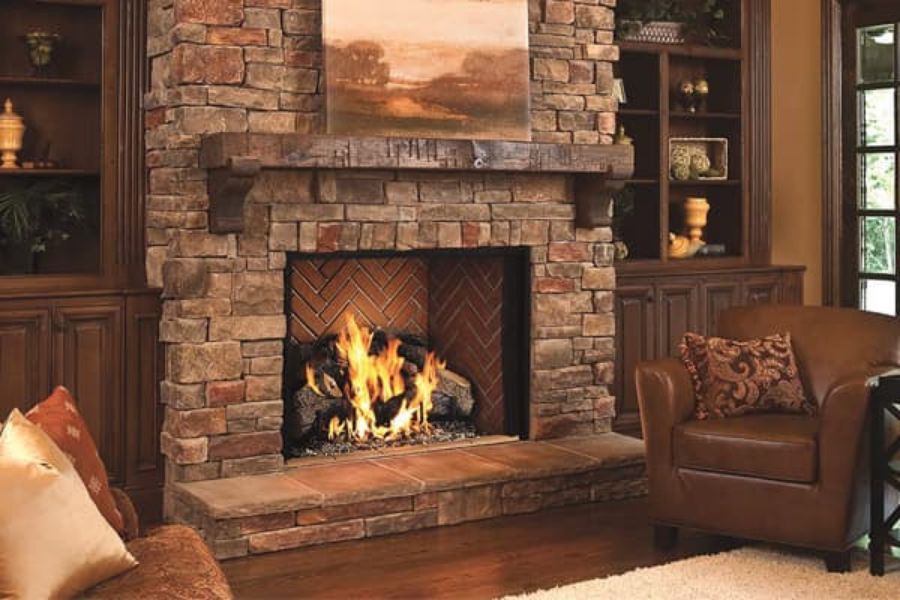
A chimney is an important part of a home that often has a fireplace or wood-burning stove associated with it.
Chimneys help carry smoke and gases safely out of the house. Over time, ashes, soot, and debris can build up inside the chimney. That’s where the ‘cleanout’ comes in.
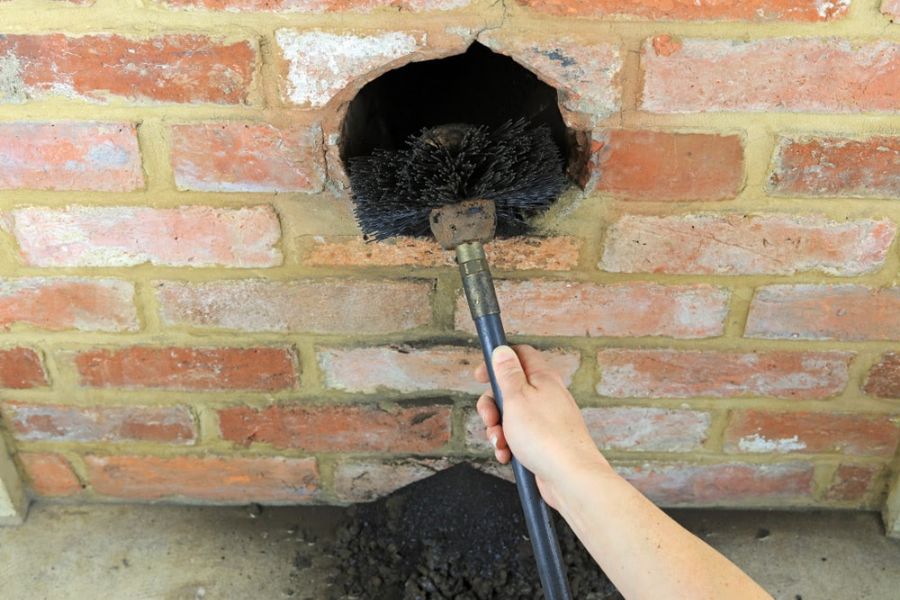
The cleanout on a chimney is a small door or opening that allows homeowners or professionals to remove the buildup inside. It plays a key role in keeping the chimney safe and working properly.
The cleanout is usually found at the base of the chimney, either outside or inside a basement. It can be made of metal or brick and has a door that can be opened to access the inside of the chimney. The main purpose of the cleanout is to provide an easy way to remove ashes, soot, and any other debris that collects inside. Without regular cleaning, a chimney can become clogged, which can cause dangerous problems.

One major issue that can happen if a chimney is not cleaned is a chimney fire. When wood burns, it produces a substance called creosote. Creosote is a sticky, black material that coats the inside of the chimney. If too much creosote builds up, it can catch fire, leading to a dangerous chimney fire that can spread to the rest of the house. The cleanout allows homeowners or chimney professionals to remove creosote buildup before it becomes a fire hazard.
Another problem that can occur with a clogged chimney is poor airflow. A chimney needs proper airflow to work correctly. If ashes and debris are blocking the chimney, smoke and gases can’t escape properly. This can cause smoke to back up into the house, which is unpleasant and unsafe. It can also lead to carbon monoxide buildup. Carbon monoxide is a colorless, odorless gas that is very dangerous. Breathing in too much of it can cause serious health problems or even death. Regularly using the cleanout helps prevent these risks.
Besides removing creosote and improving airflow, the cleanout also helps keep pests out of the chimney. Sometimes, birds, squirrels, or other small animals try to build nests inside chimneys. These nests can block airflow and create fire hazards. By using the cleanout, homeowners can check for and remove any nests or debris left behind by animals.
Cleaning the chimney through the cleanout is not a difficult task, but it does require some basic steps.
It’s important to wear protective gloves and a dust mask to avoid inhaling soot and ash. After you make sure you have the proper protective equipment on, the cleanout door should be opened carefully to prevent debris from spilling out. Using a small shovel or brush, the ashes and soot can then be scooped out and placed into a metal container. It’s important to use a metal container because ashes can stay hot for a long time and could cause a fire if placed in a plastic or wooden bin. Once the debris is removed, the cleanout door should be closed tightly to keep the chimney sealed.
While homeowners can use the cleanout for basic maintenance, it’s also important to have the chimney inspected and cleaned by a professional at least once a year. Chimney professionals have special tools to check for hidden problems, such as cracks or blockages, which could lead to bigger issues. They can also remove creosote more effectively, reducing the risk of chimney fires.

Taking care of a chimney through regular cleaning and maintenance helps keep a home safe and warm.
The cleanout on a chimney is a small but essential feature that helps maintain the safety and efficiency of the chimney. It allows homeowners to remove dangerous buildup, prevent fires, and ensure proper airflow. Regularly using the cleanout and having professional inspections can help keep a home safe and cozy during the colder months. Understanding and caring for a chimney is an important part of home maintenance, and the cleanout makes it easier to do so.