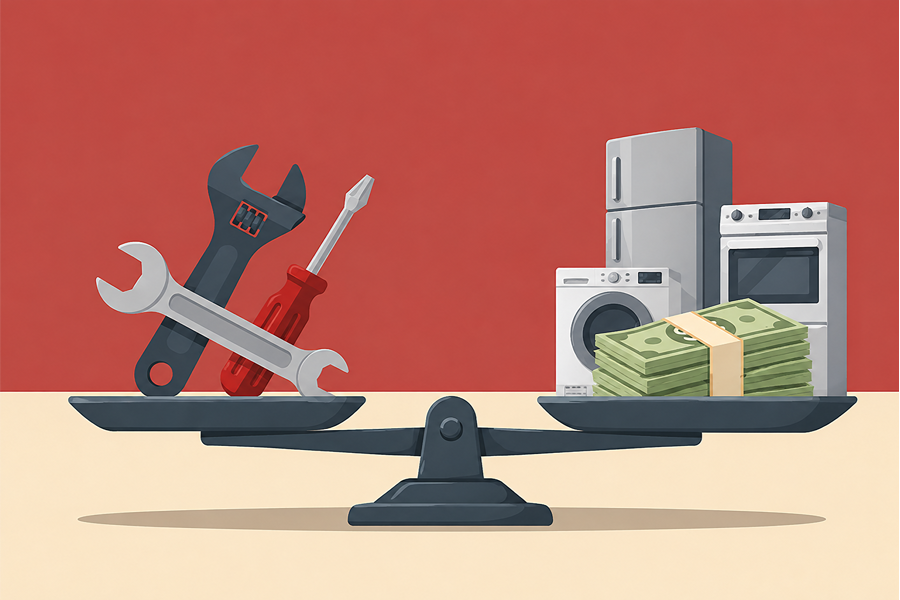
When an appliance stops working, the question is: Should it be repaired or replaced?
For years, the answer was to repair it.
Appliances were expensive, service visits were more affordable, and problems could be fixed without much thought.
Today, the decision is not always so easy.
Service call costs, labor rates, and parts prices have increased.
A repair that once seemed like a no-brainer may now cost enough to make buying a new appliance sensible.
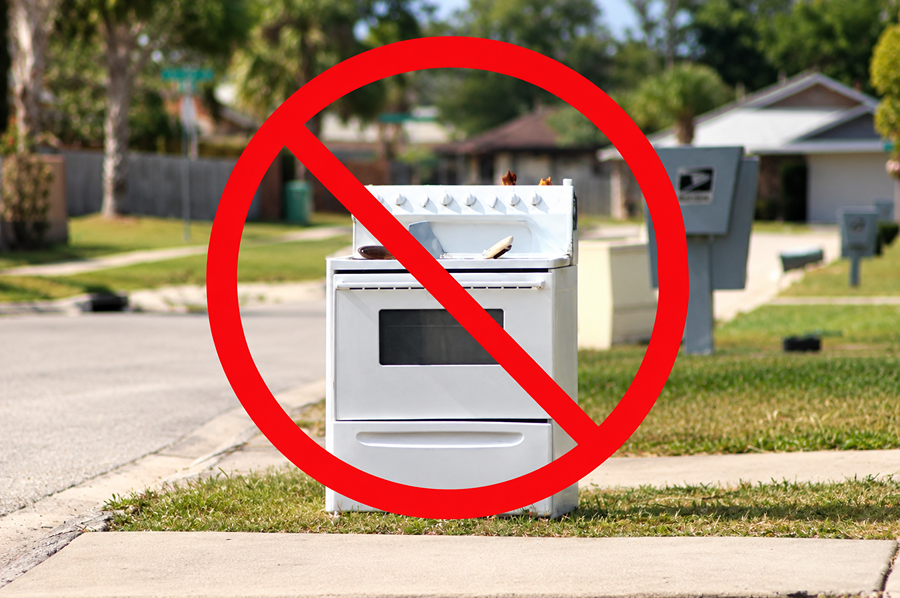
That does not mean every broken appliance should go to the curb.
It means homeowners should look at the whole picture before deciding.
Start with the age of the appliance.
A refrigerator, range, washer, or dryer that is only a few years old may be worth repairing, especially if it has been reliable and the problem is limited.
An appliance nearing the end of its expected life may not be a good place to invest in an expensive repair.
Fixing one problem does not guarantee another part will not fail soon afterward.
Next, compare the repair cost with the cost of replacement.
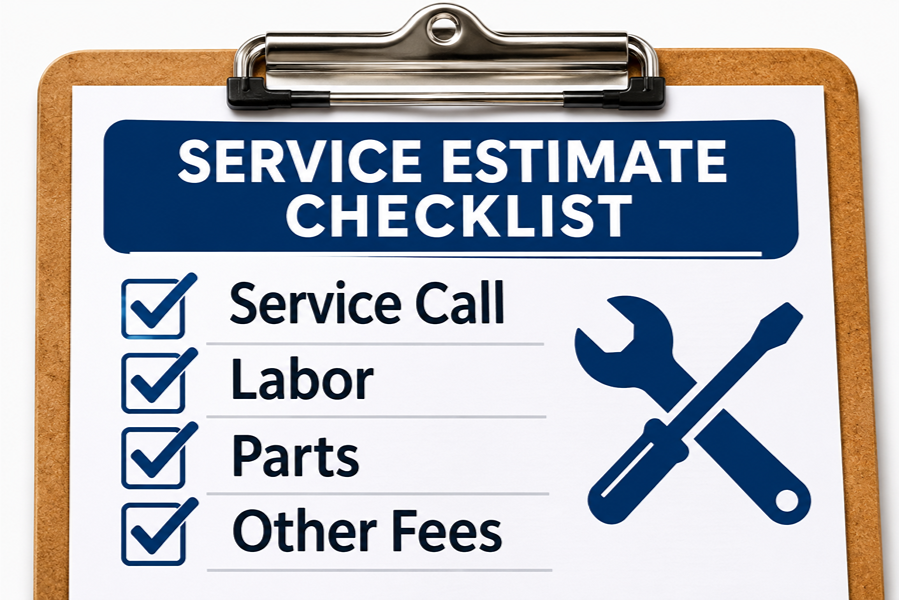
Ask the repair company for an estimate that includes the service call, labor, parts, and other fees.
Also ask whether the service call charge will be applied toward the repair if you approve the work.
Some companies charge for diagnosing the problem even if you decide not to proceed.
Knowing that amount early can avoid surprises.

A useful rule of thumb is to think carefully when a repair will cost close to half the price of a comparable new appliance.
This is not a hard rule, but it can guide the decision.
For example, spending a few hundred dollars to repair a newer dryer may make sense.
Spending nearly as much to repair an older refrigerator with a failing compressor may not.
Consider the appliance’s condition and performance, too.
Is it noisy, rusty, inefficient, or showing signs of other trouble?
Does it meet the household’s needs?
A replacement may offer better energy efficiency, updated features, and a new warranty.
However, a new appliance also comes with a purchase price, delivery fees, installation costs, and possible changes to electrical, plumbing, or vent connections.
Before replacing an appliance, check whether it is covered by a manufacturer’s warranty, an extended warranty, or a credit card benefit.
Look into the cost and availability of parts.
For older or specialty models, parts may be difficult to find or unusually expensive.
For newer models, a simple, available part may make repair the clear choice.
It is also worth considering the inconvenience of either option.
A repair may be completed quickly, while finding, ordering, and scheduling delivery of a new appliance can take time.
On the other hand, repeated breakdowns and repair appointments can become frustrating.
The best decision comes down to cost, age, condition, and reliability.

Get a clear estimate, ask questions, and compare the repair with the total cost of replacement.
Avoid making the decision based only on the service call fee or the advertised price of a new appliance.
In years past, repairing a broken appliance was often the obvious choice.
With today’s costs, homeowners have to be more thoughtful.
Sometimes a repair is still the smartest investment.
Other times, putting that money toward a dependable new appliance is the better long-term move.
Follow Us on Social Media!