One of my favorite types of weatherstripping is also one of the oldest.
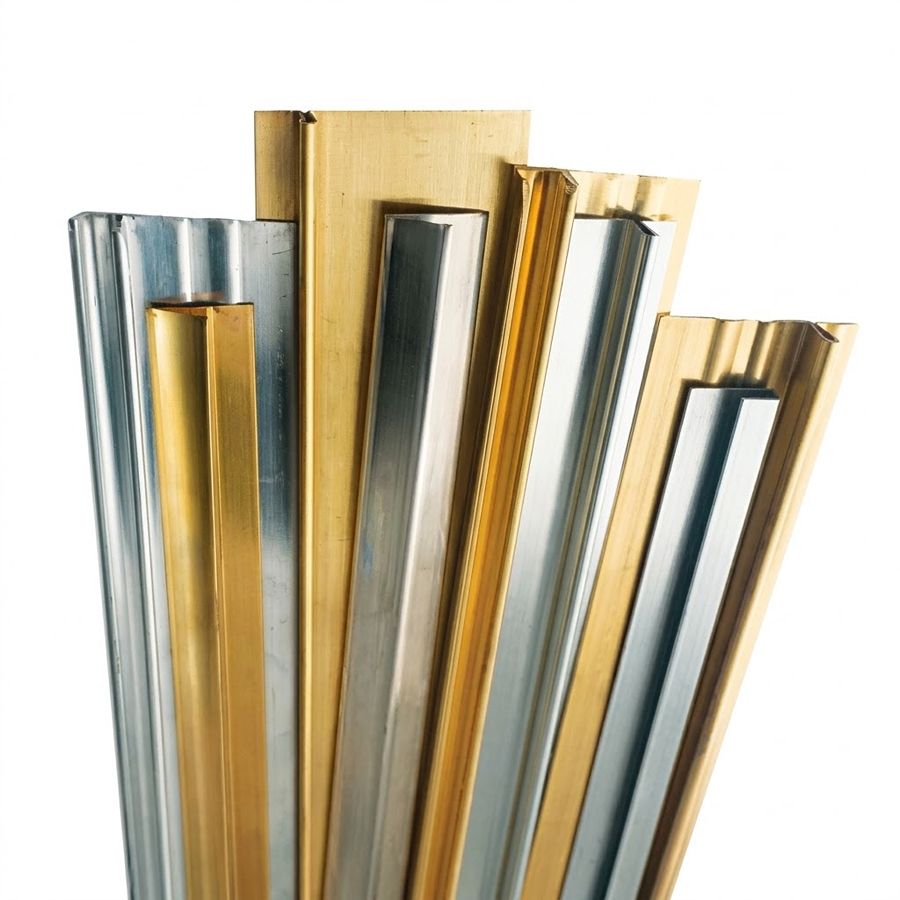
It is the traditional metal interlocking weatherstripping that was commonly used on older homes.
If you have ever looked closely at an old wood entry door and noticed metal strips running around the edge of the door and the jamb, you may have seen it.
One piece of metal is attached to the door, while another is attached to the jamb.
When the door closes, the two pieces fit together and create a tight seal.
I like this type of weatherstripping for several reasons.
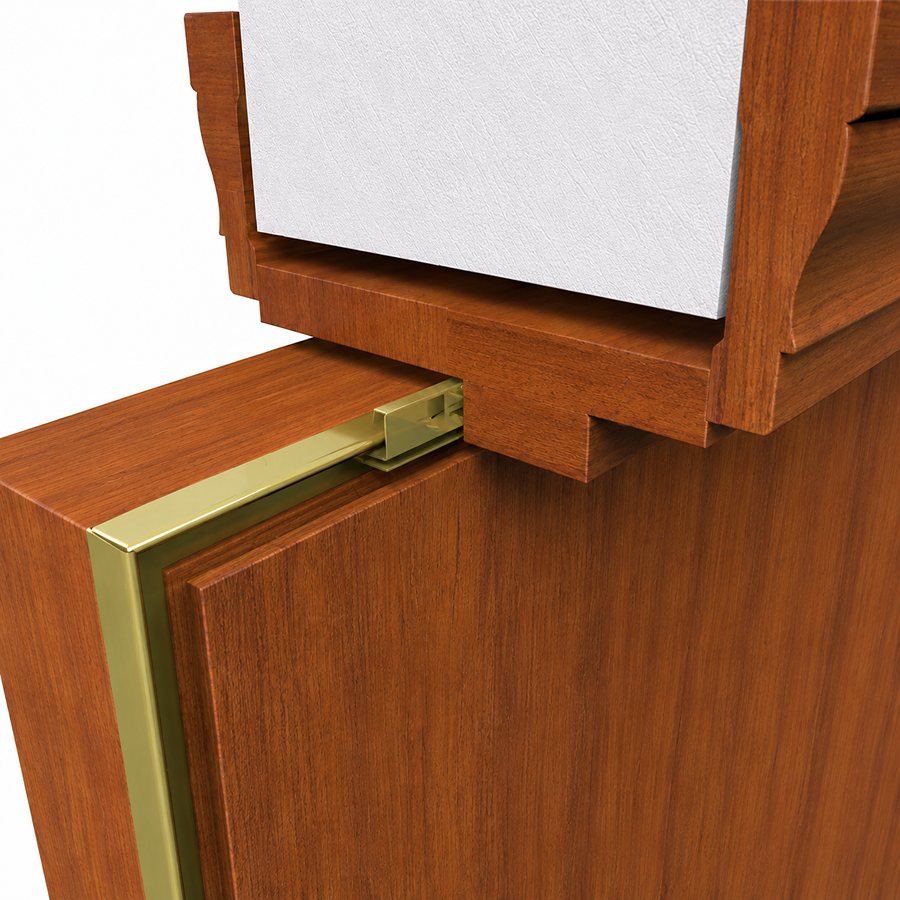
First, it is durable.
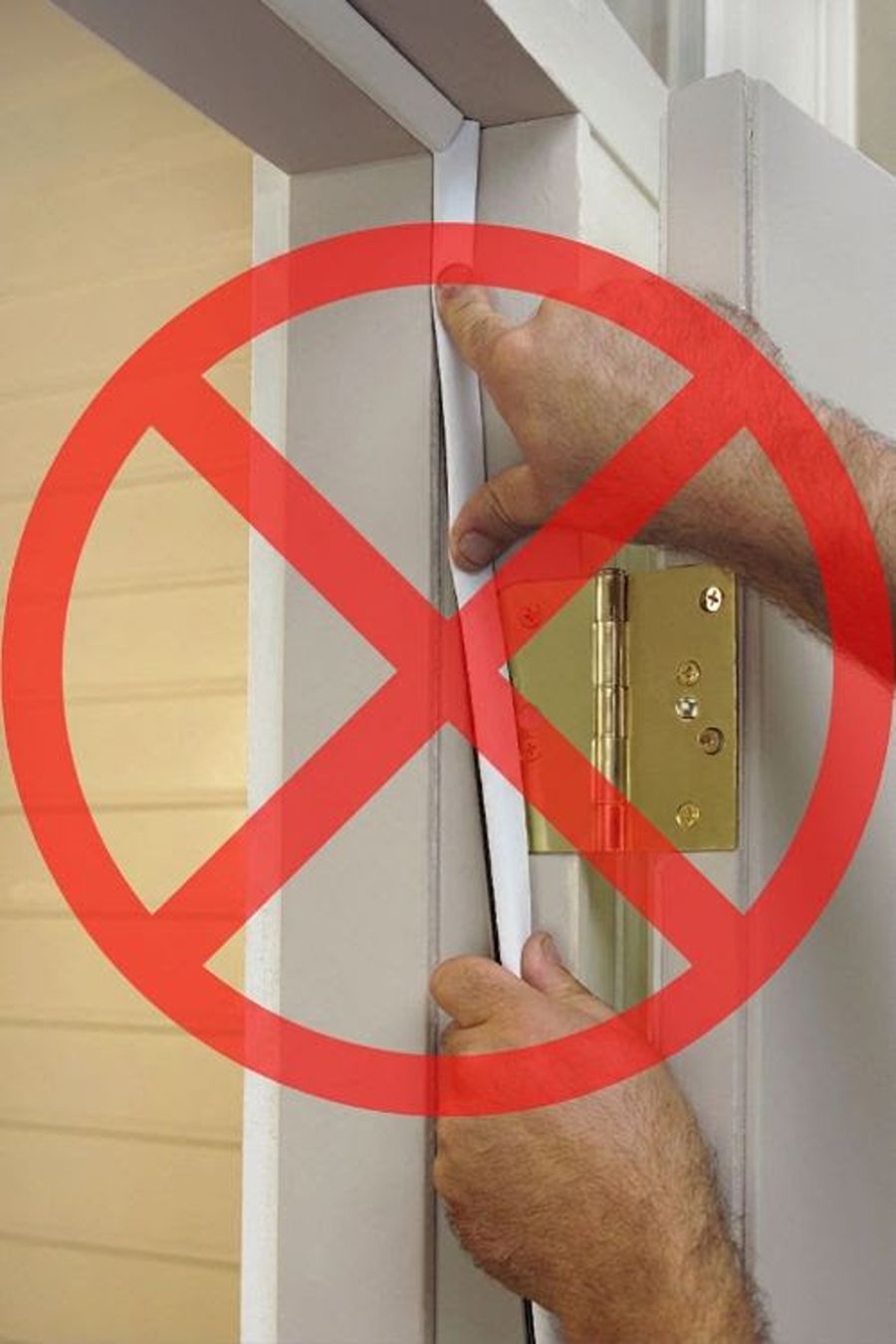
Unlike foam, rubber, or adhesive-backed weatherstripping, metal weatherstripping is not easily crushed or worn away.
A good-quality installation can last for decades.
In fact, it is not unusual to find original metal weatherstripping on homes that are 75 or even 100+ years old.
Second, it creates a very nice seal around the door.
Weatherstripping has an important job.
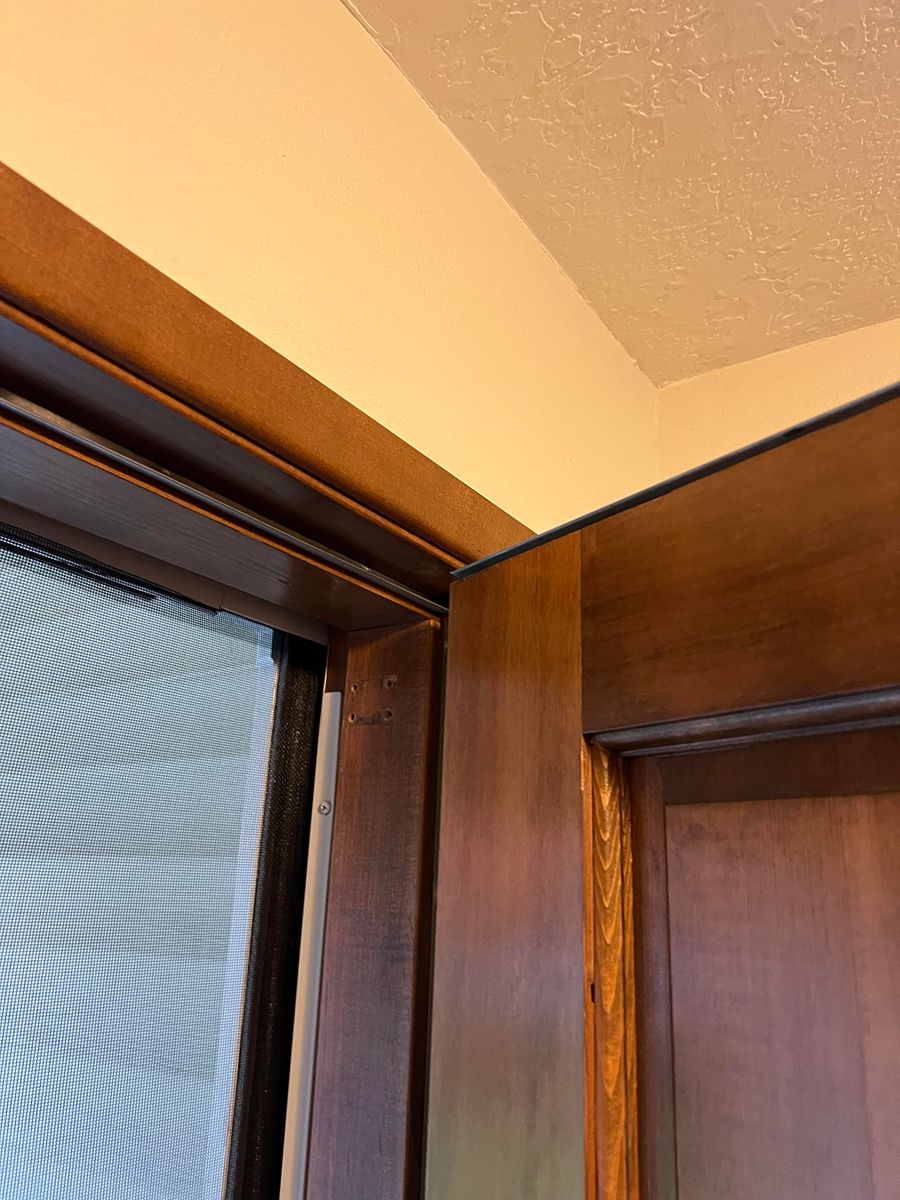
It helps stop outside air from finding its way into the house while also helping keep heated or cooled air inside.
Even a small gap around a door can allow a surprising amount of air movement.
The old-style interlocking metal system works especially well because the pieces physically come together when the door closes.
Instead of simply pressing a piece of foam or rubber against the door, the metal pieces interlock with one another.
When properly installed and adjusted, the result can be a tight, consistent seal.
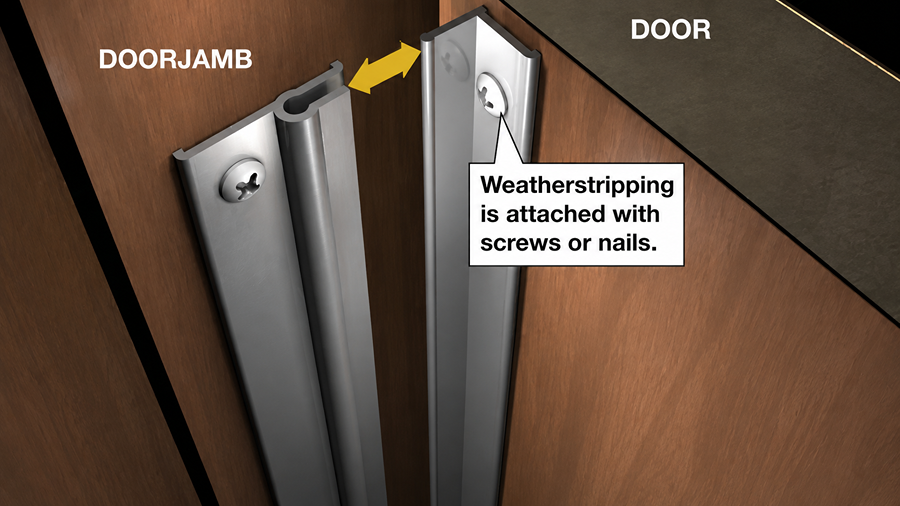
Another thing I like is that it is a mechanical system.
There is very little guesswork involved.
The weatherstripping is either adjusted correctly and making contact, or it is not.
If needed, the metal can often be adjusted slightly to improve the seal.
Of course, this type of weatherstripping does take more time and skill to install than simply sticking a roll of foam tape around a door frame.
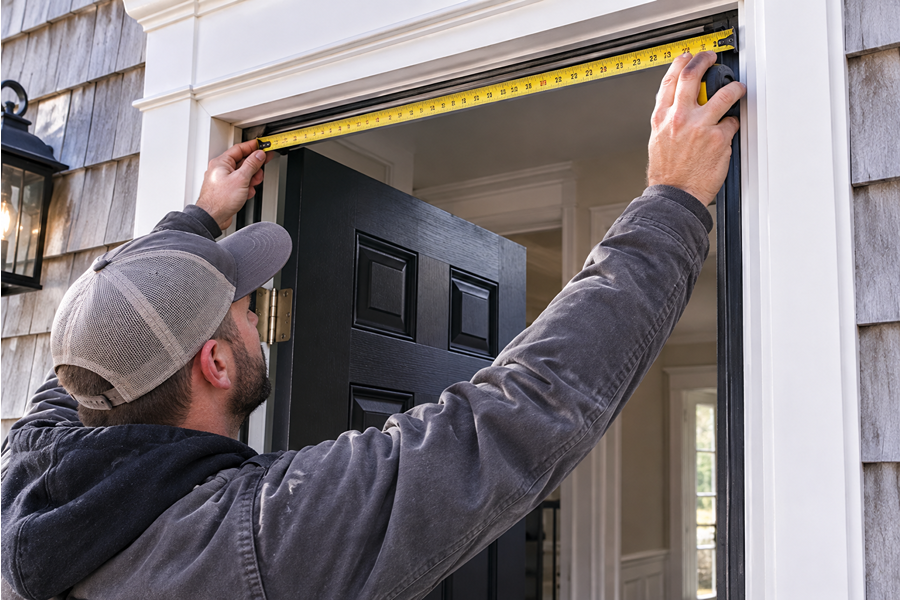
The pieces need to be measured, cut, fitted, and installed properly.
The door also has to be operating correctly.
If the door is badly warped or out of alignment, even the best weatherstripping will struggle to do its job.
That said, when working on an older home with a solid wood door, I think this type of weatherstripping is hard to beat.
There is also something I like about keeping an older house working the way it was originally intended to work.
We often assume that newer products are automatically better, but that is not always the case.
Sometimes an older product was designed extremely well and simply fell out of favor because newer options are faster and cheaper to install.
Modern foam and compression weatherstripping certainly have their place, and they can work very well in the right situation.
But if I had my choice for a traditional wood entry door, I would take old-school interlocking metal weatherstripping almost every time.
It is durable, adjustable, long-lasting, and capable of creating an excellent seal.
Sometimes the old ways are still around for a reason.
Follow Us on Social Media!