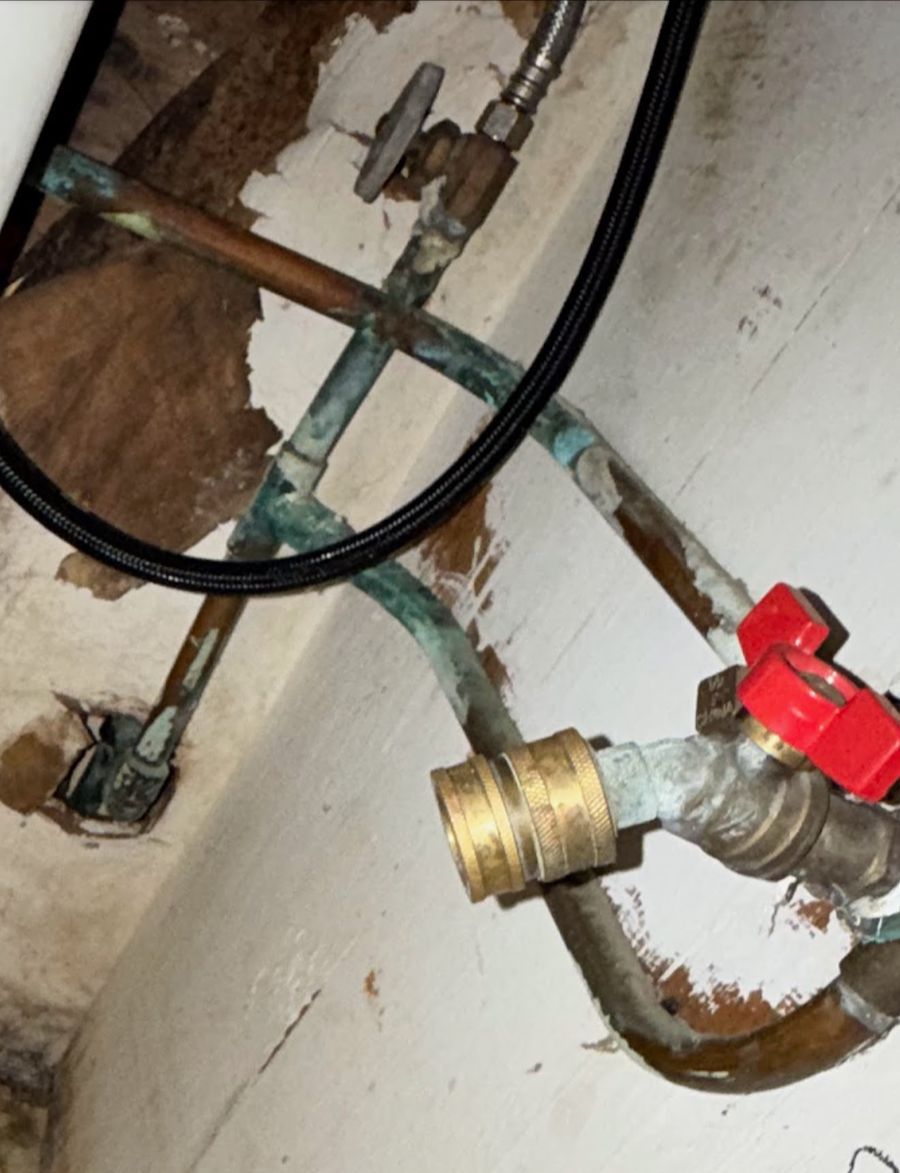
It is not unusual for me to be at a client’s home and notice that some part of their copper piping is starting to turn green.
What exactly does this mean?
Copper pipes are strong and can last for many years, but they still react with their surroundings.
That green color is usually a sign of oxidation or corrosion forming on the surface.
Oxidation happens when copper reacts with oxygen, moisture, and other materials in the air or water.
A thin green coating called patina begins to form.
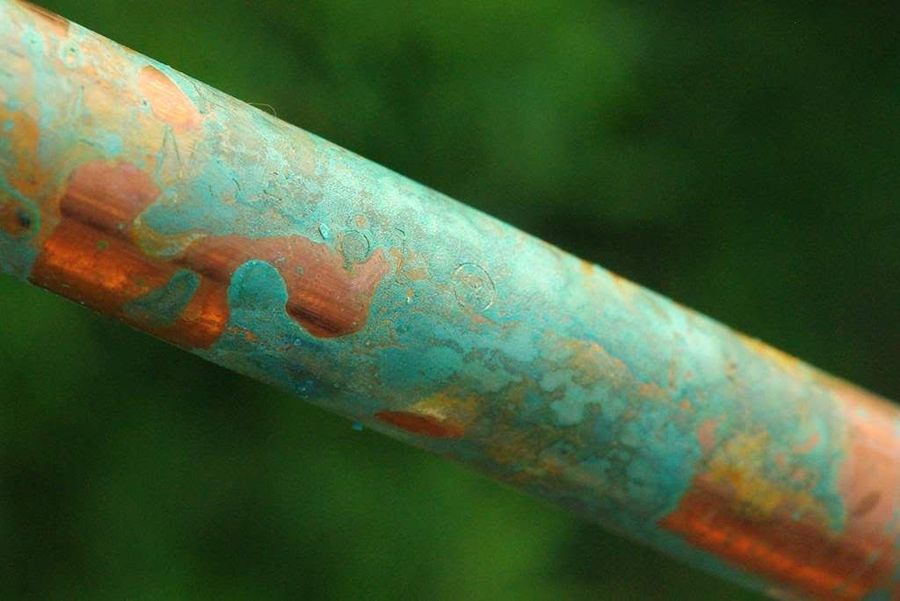
In many cases this layer actually protects the copper underneath from further damage.
That is why old copper roofs nd statues often develop a green appearance without falling apart.
Inside a home, however, the situation deserves a closer look.
Sometimes the green color appears because of a very small leak.
Even a slow drip can keep the pipe damp long enough for corrosion to build up.
If you notice green stains, white mineral deposits, or moisture around a fitting or joint, it is time to investigate before the problem becomes larger and more expensive.
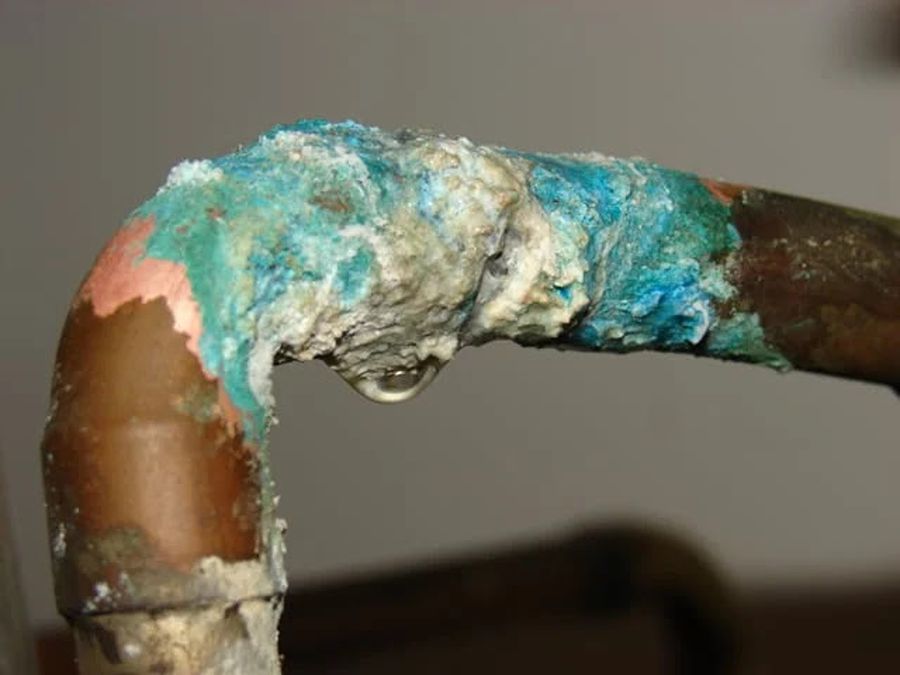
Hard water, which contains high levels of naturally occurring minerals like calcium and magnesium, can also leave mineral deposits that mix with oxidation.
Water with high acidity or unusual chemistry may wear away copper faster.
Electrical grounding problems or stray electrical current can sometimes speed up corrosion as well.
These conditions should be checked by an experienced professional before replacing large sections of piping unnecessarily or guessing blindly.
First find the cause.
The location of the green area matters too.
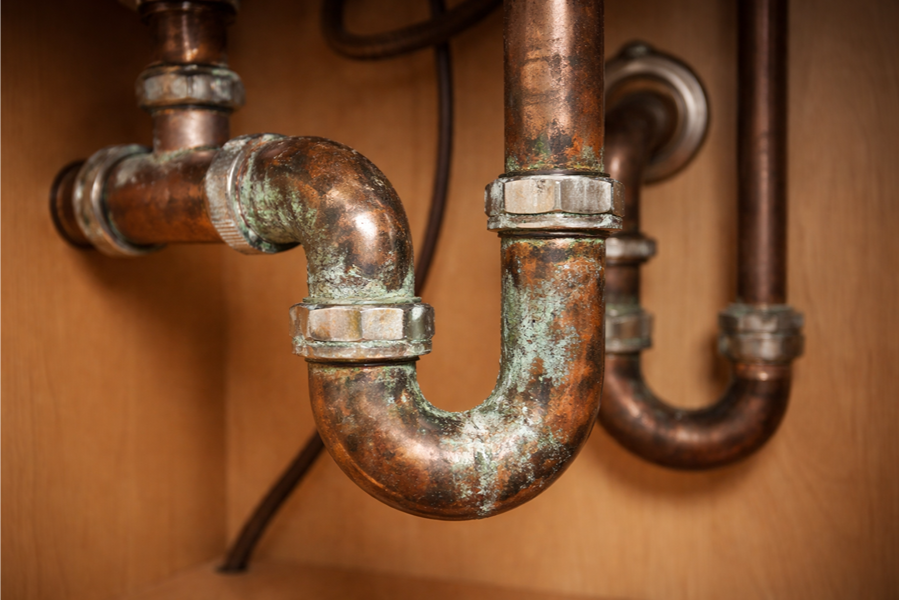
A little discoloration on an exposed pipe may not be serious.
Heavy corrosion, pinhole leaks, or repeated wet spots deserve immediate attention.
Ignoring them can lead to water damage, mold growth, expensive repairs, and unexpected plumbing emergencies.
Catching small issues early usually saves homeowners money, time, and frustration.
If you see green copper piping, do not panic.
Start by looking for moisture, drips, or loose connections.
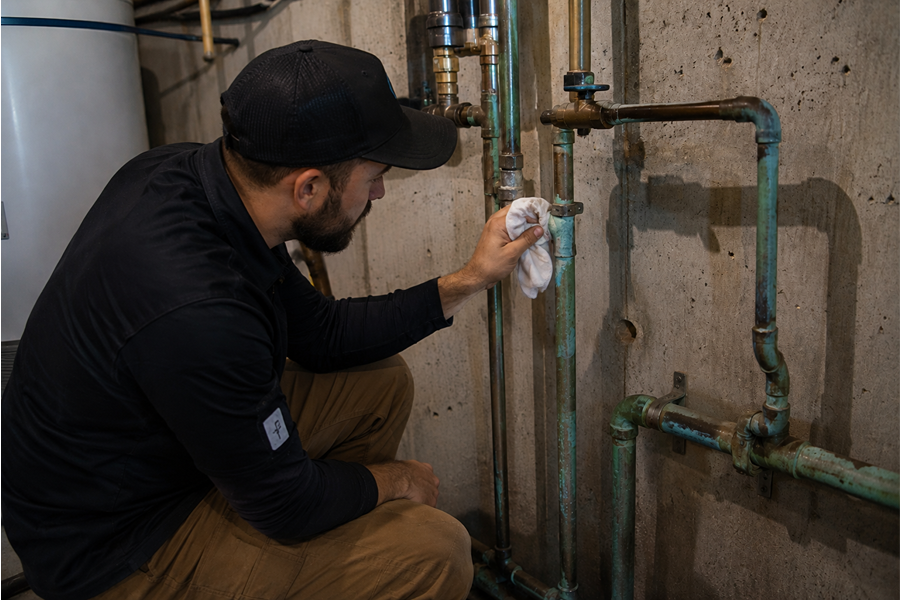
Wipe the area dry and check it again after a day or two.
If the discoloration returns or moisture reappears, call a qualified plumber or contractor for a careful inspection (our company helps homeowners resolve these issues every year).
Quick action often prevents bigger problems and protects your home for years ahead.
Copper plumbing remains one of the best piping materials available.
Most green discoloration is manageable when understood correctly.
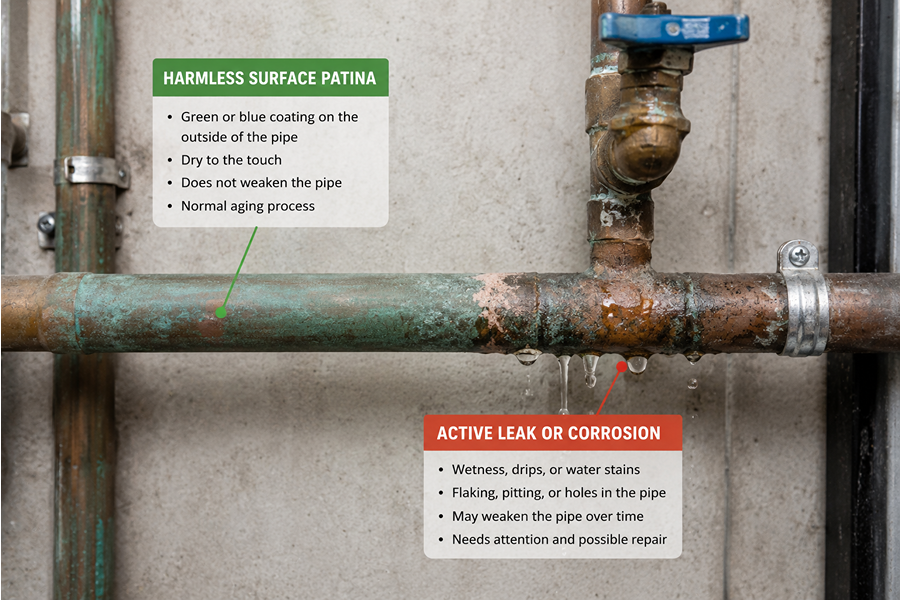
The key is knowing the difference between harmless surface patina and active leaks or damaging corrosion.
Regular inspections and prompt repairs help your plumbing system stay dependable for decades.
Remember that early attention protects both your home and your peace of mind every season.
Whether the green color is harmless patina or a warning sign, the best approach is understanding what you are seeing before making assumptions.
A careful inspection can tell the difference between normal aging and a plumbing problem that needs repair.
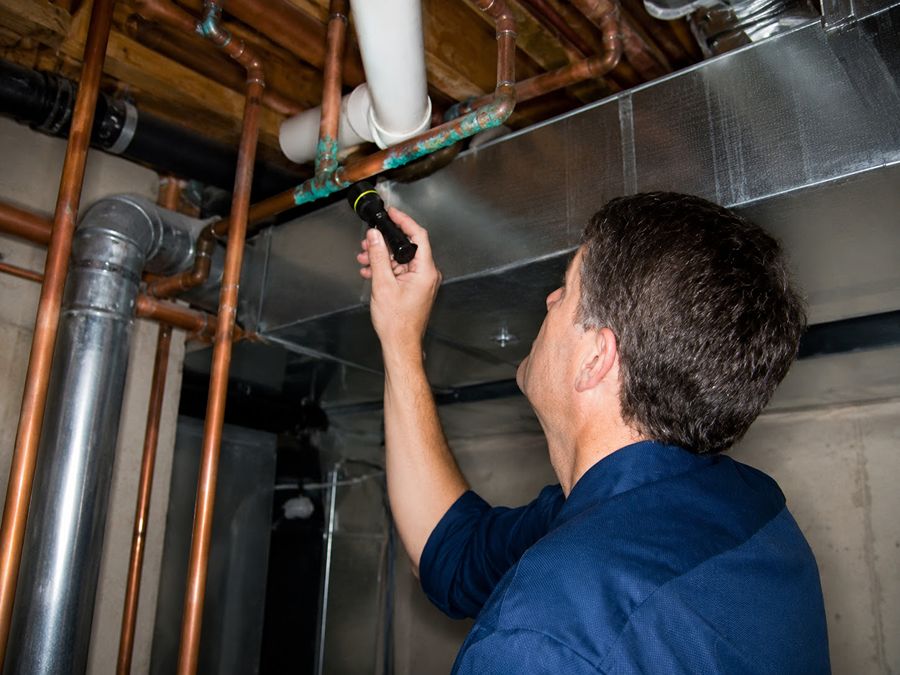
When homeowners ask me about green copper piping, I always recommend paying attention rather than ignoring it.
Always address leaks promptly, and have your plumbing inspected whenever you notice signs of a potential problem.
Taking a few minutes to investigate today can prevent costly repairs tomorrow and help keep your home’s plumbing reliable for years to come.
Follow Us on Social Media!