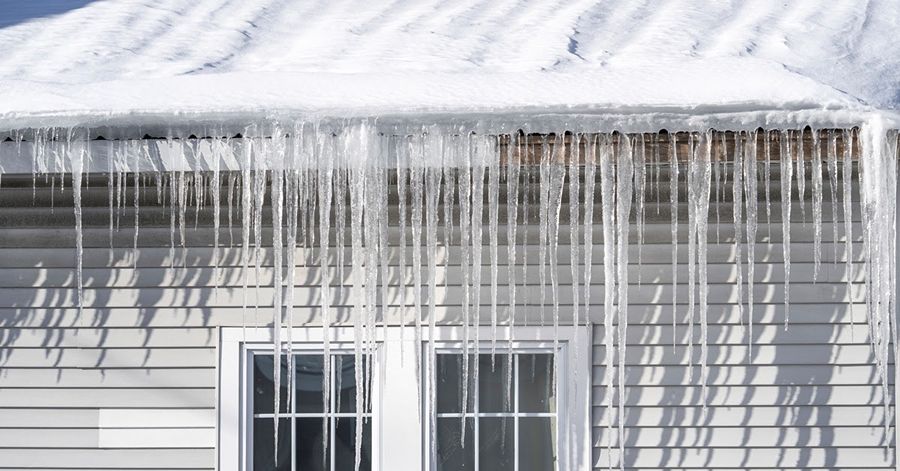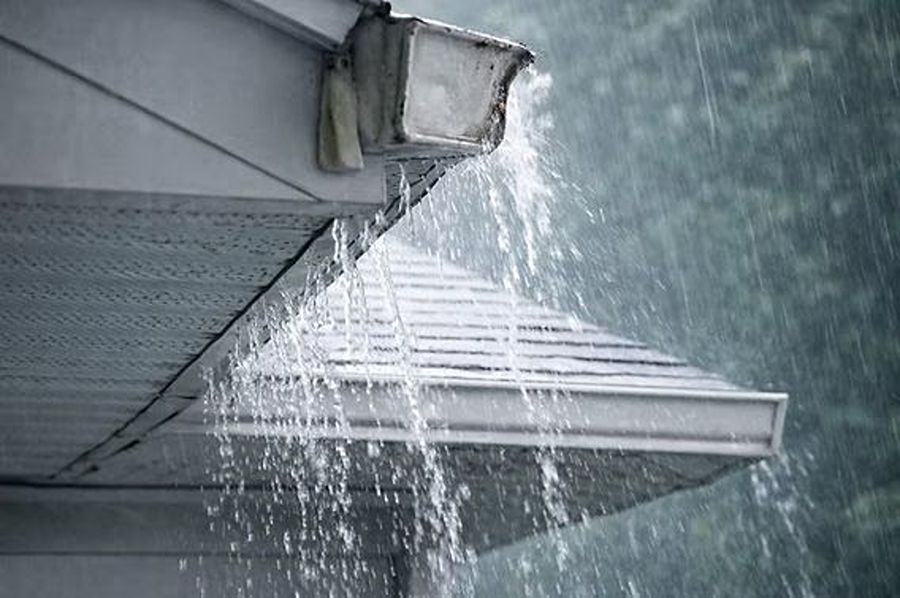
If water is pouring over your gutters, the problem is not always a clogged gutter.
Many homeowners assume overflowing water means leaves or debris are blocking the system.
Others immediately conclude that their gutters were installed incorrectly or that the gutters are simply too small.
While those problems can certainly occur, they are far from the only causes.
In many cases, the gutter system is functioning exactly as it was designed, but the amount and speed of the water simply exceed what the gutter can capture during certain weather conditions.
As rainwater travels down your roof, it combines with more and more water.
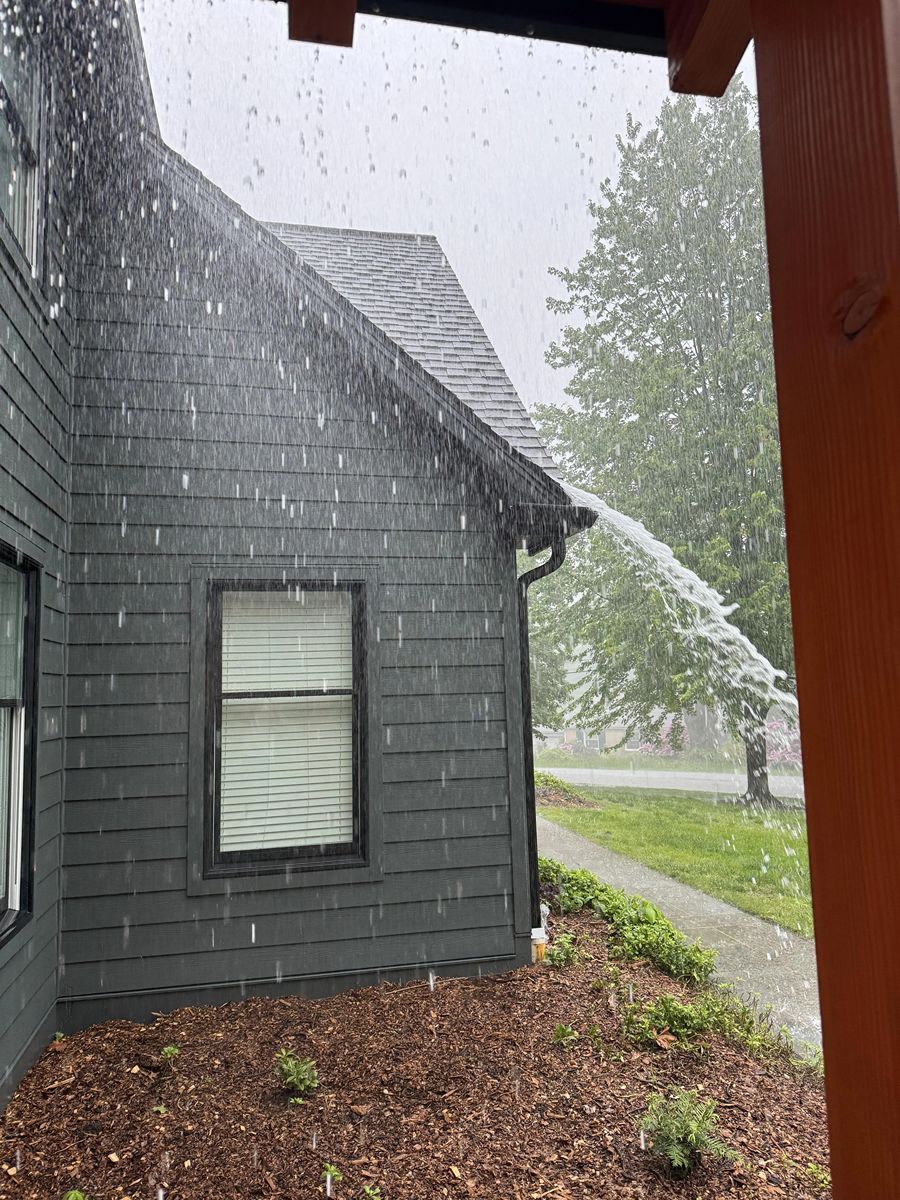
The larger the volume, the faster it moves.
By the time it reaches the roof edge, the water can almost treat the edge like a ramp and catapult itself over the gutter instead of falling neatly inside.
Heavy rain makes this even worse.
Five-inch gutters are the standard on most residential homes and work well under normal conditions.
However, some roof sections collect much more water than others.
Long roof runs, steep roof slopes, valleys, and areas below multiple roof sections can overwhelm a standard gutter during heavy storms.
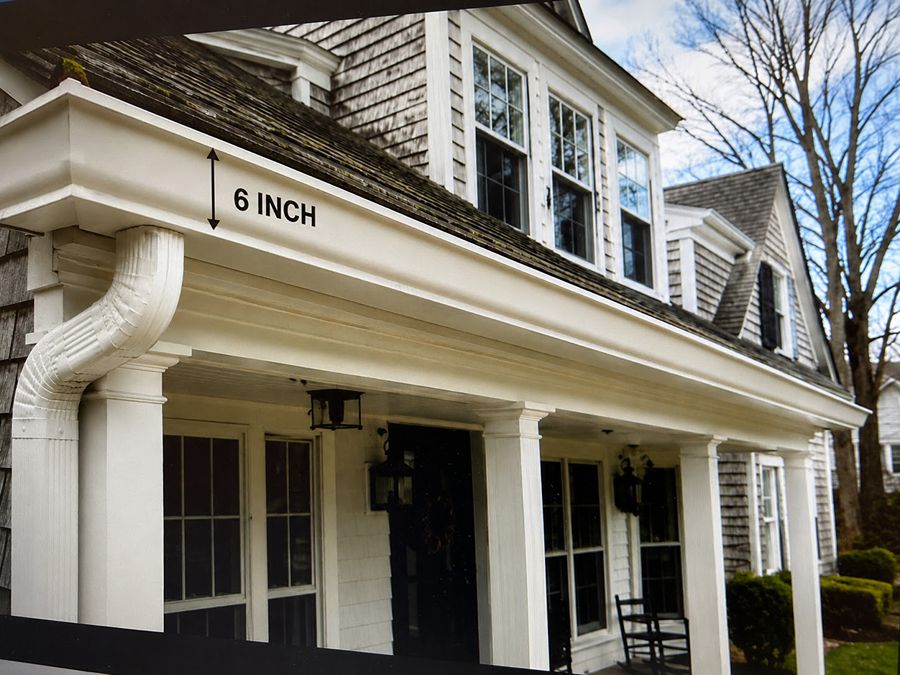
In these locations, upgrading only those sections to six-inch gutters may be a smart investment instead of replacing the entire system.
Another common cause is improper gutter placement.
Gutters should sit far enough beneath the roof edge to catch water as it leaves the shingles.
If the gutter is installed too low or too far away, fast-moving water can shoot right past it.
Even a small adjustment may greatly improve performance.
Roof pitch also plays an important role.

Steeper roofs allow water to gain speed much faster than low-sloped roofs.
During heavy rain, that added speed gives the water enough force to overshoot the gutter before gravity can pull it downward.
The result looks like the gutter is failing when the real issue is water velocity.
Clogged downspouts should also be considered.
Even if the gutter itself looks clean, a blocked downspout can cause water to back up until it spills over the front edge.
Cleaning debris from the gutters and flushing the gutters and downspouts with water at least twice each year helps keep water flowing properly.
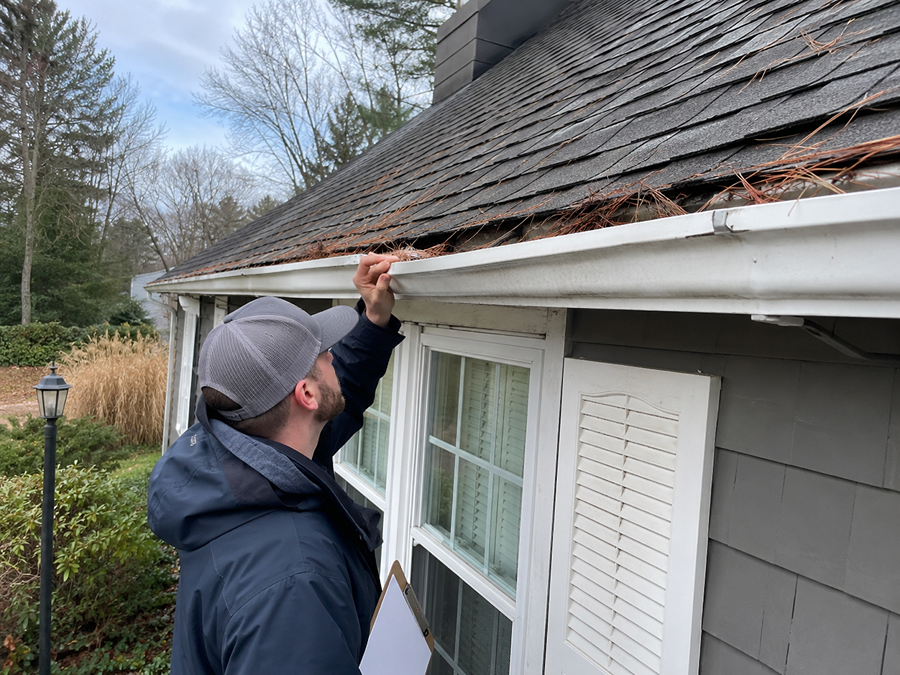
You should also inspect for loose hangers, sagging gutters, or sections that no longer have the proper pitch.
Small issues like these can significantly reduce your gutter system’s ability to move water efficiently.
Addressing minor repairs as they are discovered can help prevent larger problems from developing.
Gutters are designed to carry water toward the downspouts.
If they sag or slope the wrong way, water collects in low spots until it eventually overflows.
It is also important to consider the size and number of your downspouts.
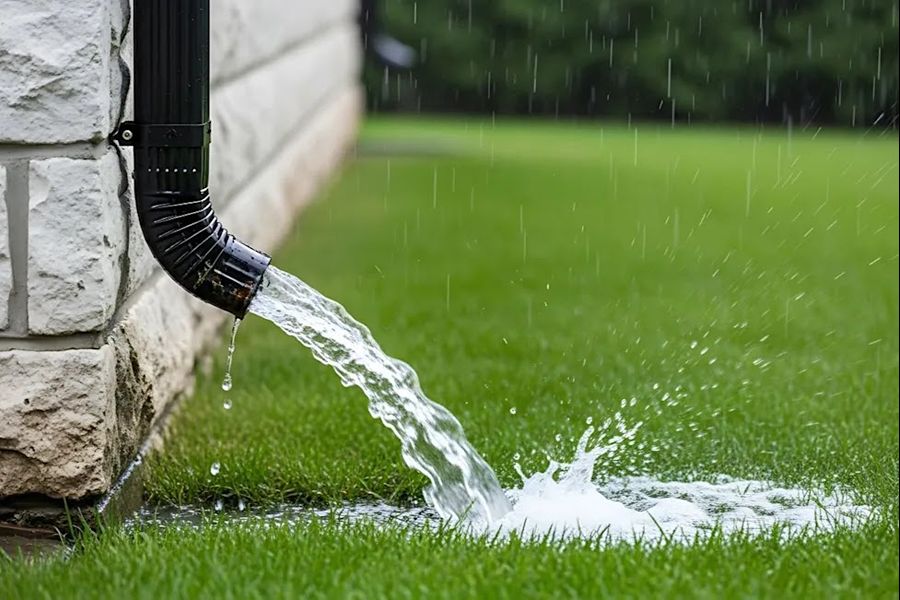
A gutter can only drain water as quickly as the downspouts allow.
Adding another downspout or increasing the downspout size may solve an overflow problem without replacing the entire gutter system.
Before replacing your entire gutter system, it is worth having the problem properly diagnosed.
A larger gutter system is sometimes the right answer, but many overflow problems can be solved by repositioning the gutters, improving drainage, adding downspouts, or addressing specific roof conditions.
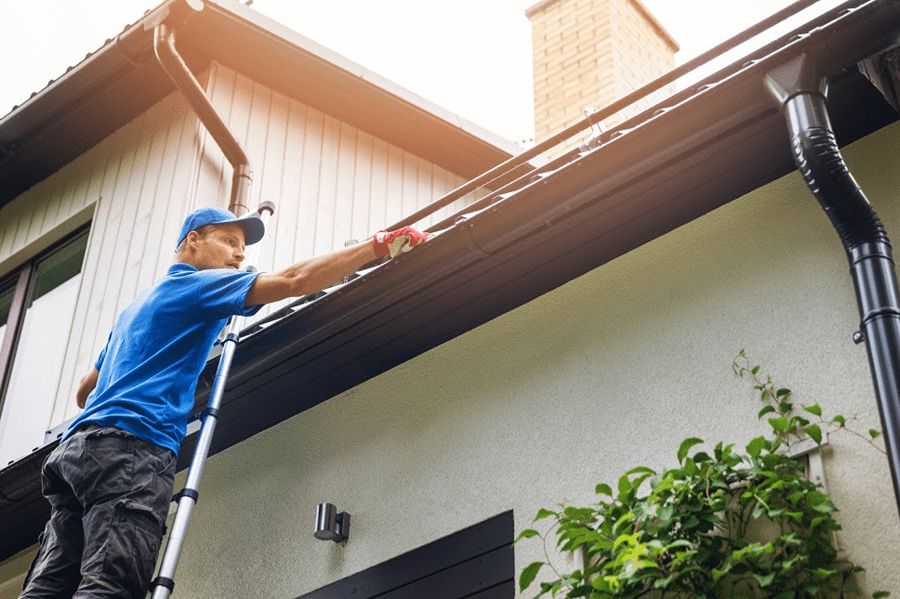
Understanding why the water is doing what it is doing is the key to choosing the right solution.
A careful inspection will protect your home from unnecessary water damage and keep your gutter system working as intended for years to come.
Professional inspections often cost far less than repairing siding, landscaping, foundations, or basements damaged afterward.
Once the real cause is identified, you can make the right repair or adjustment with confidence and know that you’re addressing the root cause of the problem instead of merely treating a symptom.
Follow Us on Social Media!