A little over a week ago, folks throughout our region heard a loud “BOOM!” in the middle of a Saturday afternoon.
At the time, theories about what had just happened ranged from an unusual thunderclap to a construction blast, and pretty much everything in between.
As it turned out, the noise was caused by a meteor breaking apart as it entered Earth’s atmosphere while traveling tens of thousands of miles per hour.

Fortunately, the pieces appeared to fall harmlessly into Cape Cod Bay.
Had a large chunk landed in someone’s backyard instead, it likely would have left quite a crater.
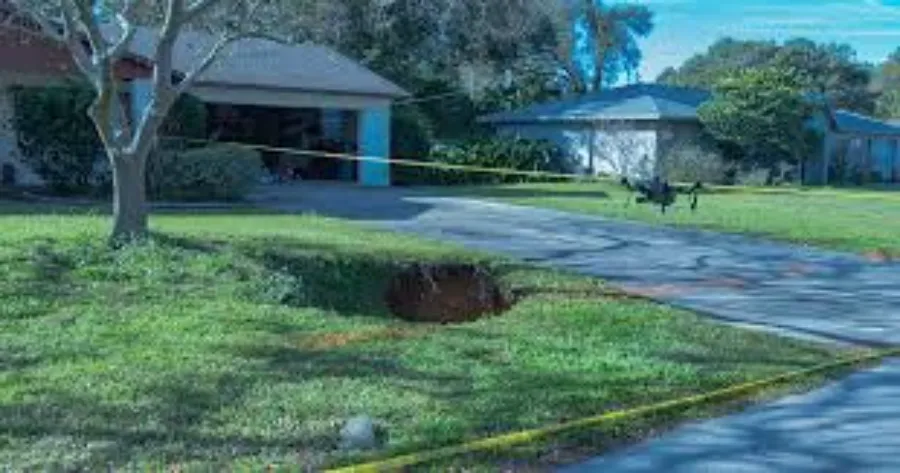
Meteors aside, homeowners can sometimes wake up to discover a mysterious hole in their yard.
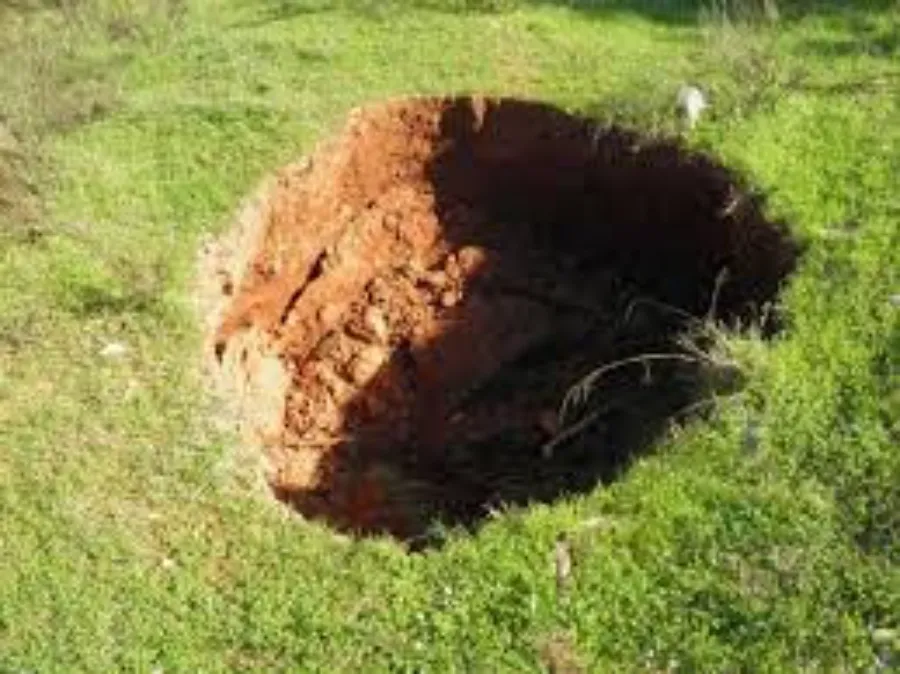
While it may seem like something from a science fiction movie, sinkholes are a very real occurrence and can develop for a variety of reasons.
A sinkhole forms when the ground beneath the surface can no longer support the soil above it.
Eventually, the surface collapses, creating a depression or hole in the ground.
Some sinkholes develop gradually over time, while others can appear seemingly overnight.
One of the most common causes of sinkholes is water.
Water has a remarkable ability to reshape the ground beneath our feet.
As rainwater moves through the soil, it can slowly wash away fine particles and create underground voids.
When those empty spaces become too large, the surface above may collapse.
In some parts of the country, naturally occurring limestone is found beneath the soil.
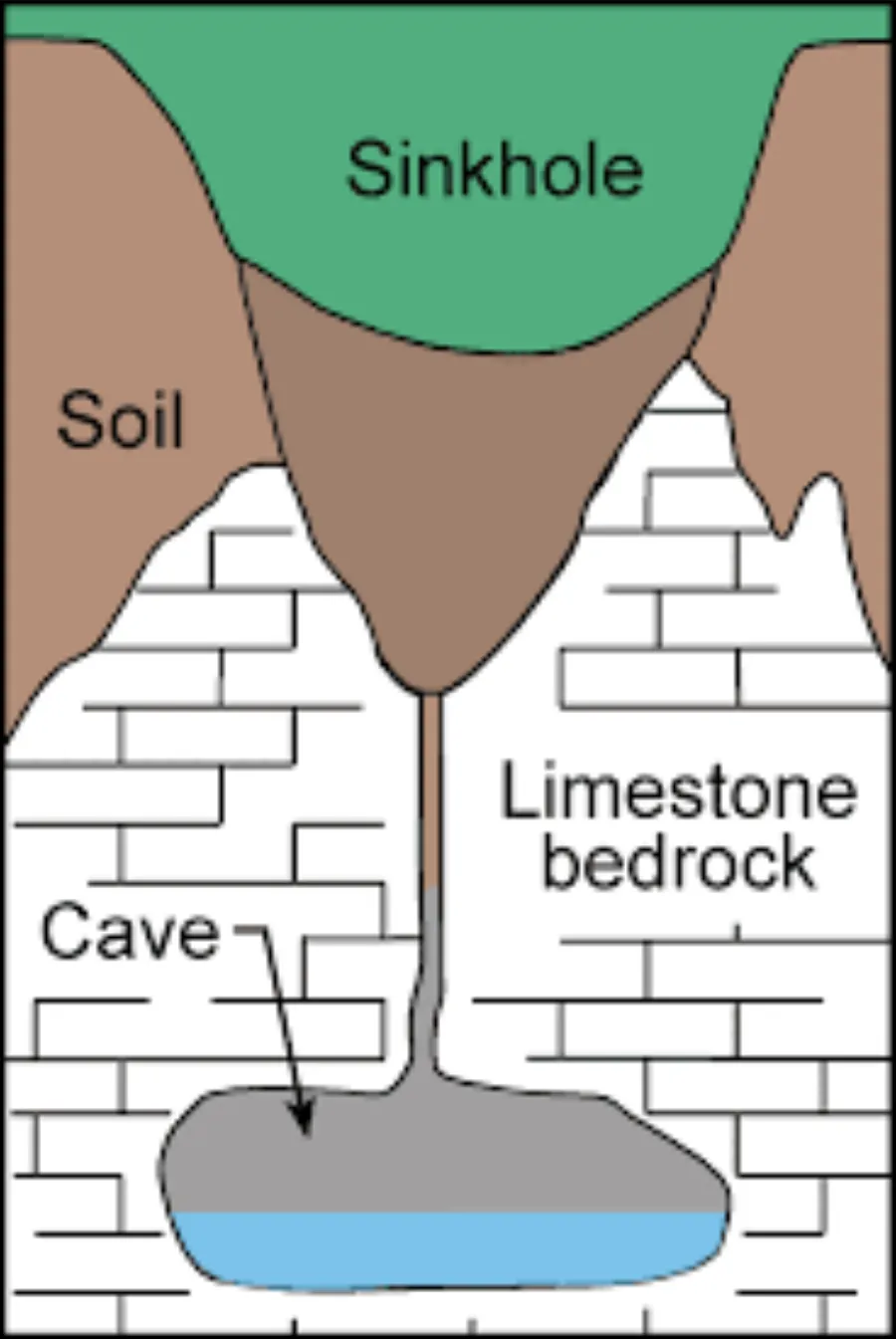
Limestone slowly dissolves when exposed to water, creating underground cavities over many years.
Areas with large amounts of limestone are especially prone to sinkhole activity because the ground can become hollow beneath the surface.
Here in New England, sinkholes are more commonly associated with drainage issues, aging infrastructure, and improperly compacted fill soils.
For example, if a contractor backfills an excavation but does not properly compact the soil, the ground may settle over time.
What starts as a small depression can eventually become a much larger problem.
Broken underground pipes can also contribute to sinkhole formation.
A leaking water line, sewer pipe, or drainage pipe can wash soil away little by little.
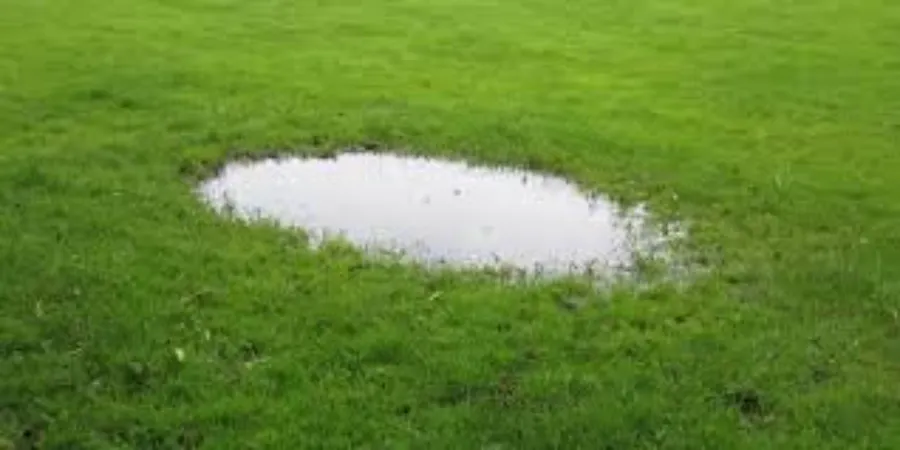
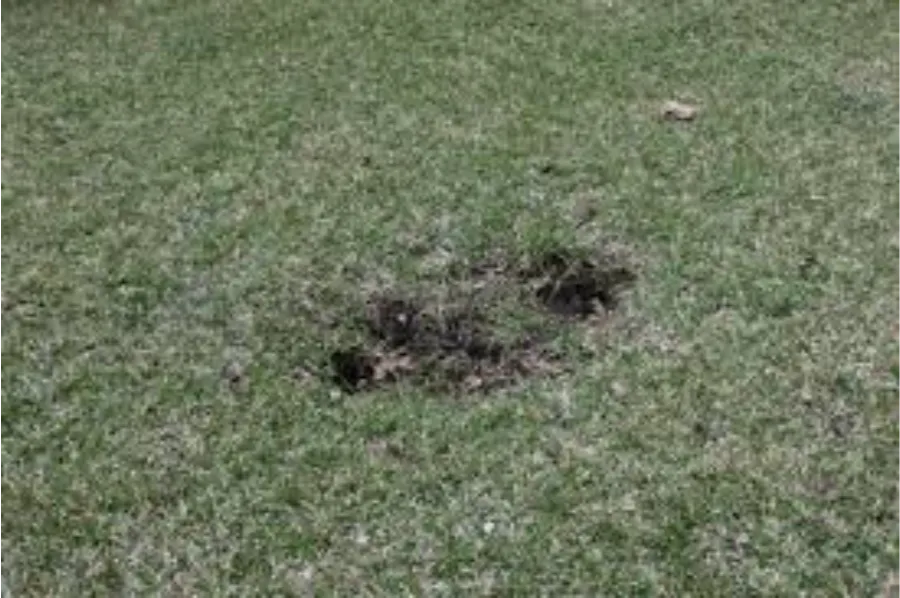
Homeowners may not even realize there is a problem until they notice a soft spot in the yard or a visible depression beginning to form.
Heavy rainfall can accelerate the process.
When large amounts of water saturate the soil, existing voids may grow more quickly.
This is one reason homeowners sometimes notice sinkholes after a major storm event.
If you discover a sinkhole on your property, the first step is to stay away from it.
What appears to be a small hole on the surface may be connected to a much larger void below ground.
Keep children, pets, and equipment away from the area until the cause can be determined.
Next, carefully observe the size of the depression and whether it appears to be growing. Taking photographs can help document changes over time.
If utilities are located nearby, contact the appropriate utility companies before performing any digging or repairs.
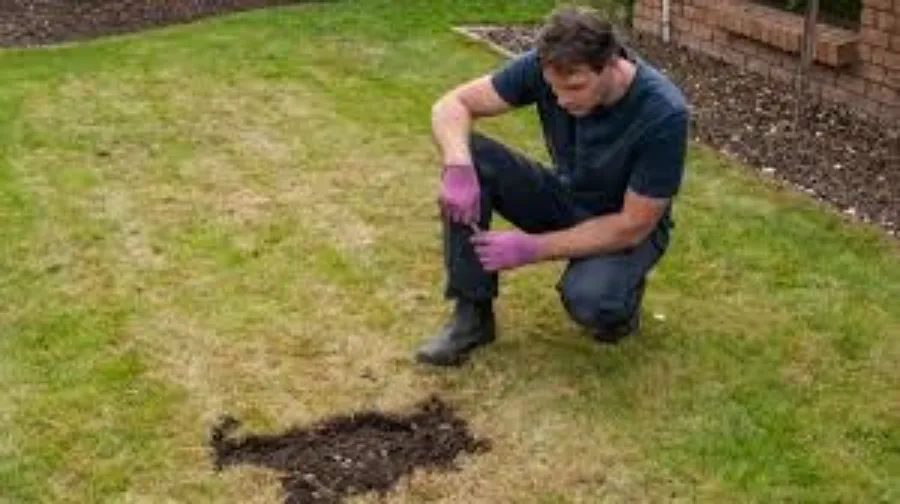
For small areas of settlement caused by minor soil compaction issues, filling and compacting the area may be an appropriate solution.
However, larger sinkholes or those associated with underground water movement often require professional evaluation.
An excavation contractor, engineer, or drainage specialist may need to investigate the underlying cause before repairs can be made.
It is also important to address any drainage problems contributing to the issue.
Redirecting downspouts, repairing leaking pipes, improving grading, and controlling runoff can help prevent future problems from developing.
While a meteor strike is unlikely to create a crater in your backyard, sinkholes are something every homeowner should be aware of.
Paying attention to changes in your yard, addressing drainage issues promptly, and seeking professional guidance when necessary as the situation presents itself can help prevent a small depression from becoming a much larger and more expensive problem.
Follow Us on Social Media!