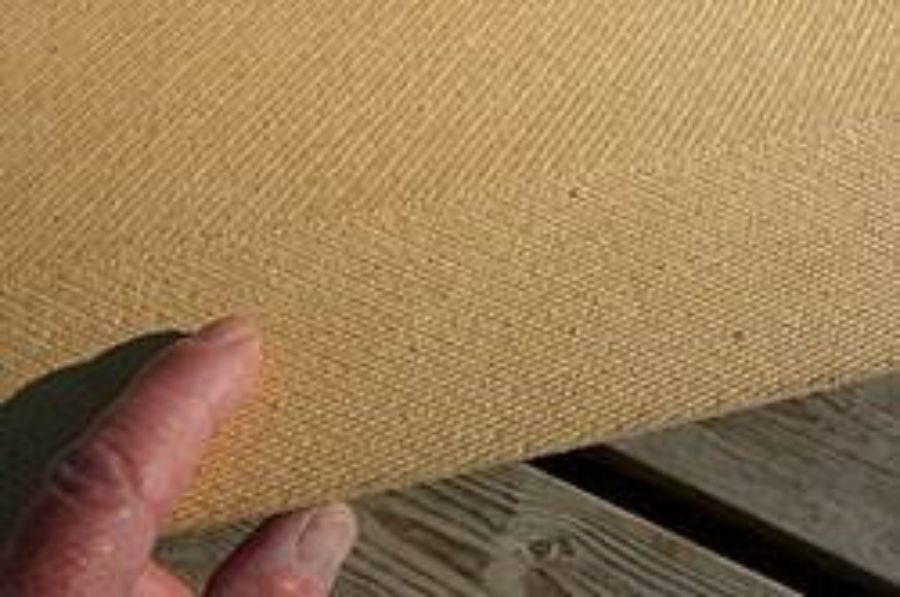
Masonite is a type of engineered wood product, often called “hardboard.”
It was invented in the 1920s and made by pressing wood fibers together under heat and pressure until they form a dense, smooth board.
The fibers are mixed with resins, wax, or oils, which help bind everything together into a solid sheet.
While it is not “cardboard” per se (as many contractors over the years often have half-jokingly referred to it), it is also not solid wood.
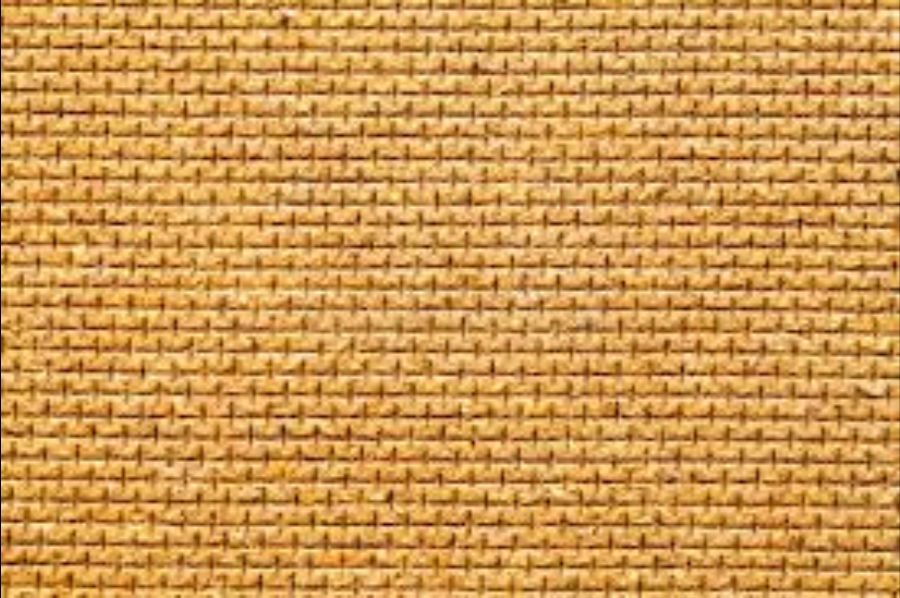
A good way to picture it is this: it is made from wood that has been broken down into tiny fibers and then glued and compressed into a board.
This gives it a uniform texture and makes it cheaper to produce than real lumber.
Masonite has been used in many ways over the years. It has been used for doors, wall panels, furniture backing, and even things like theater sets.
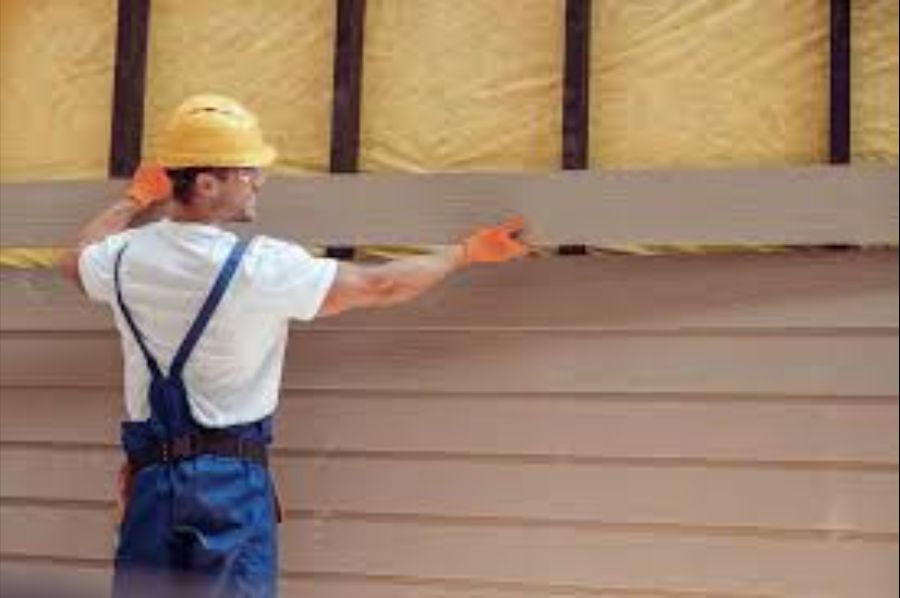
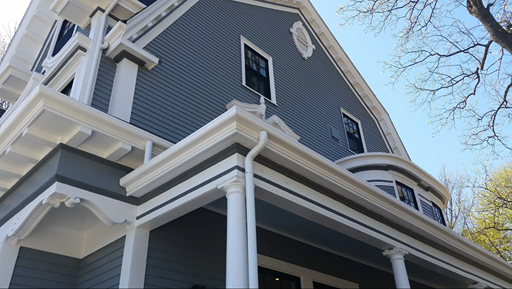
In construction, one of its most common uses was exterior siding (although it has even been used on trim in certain capacities), especially from the late 1970s through the early 1990s.
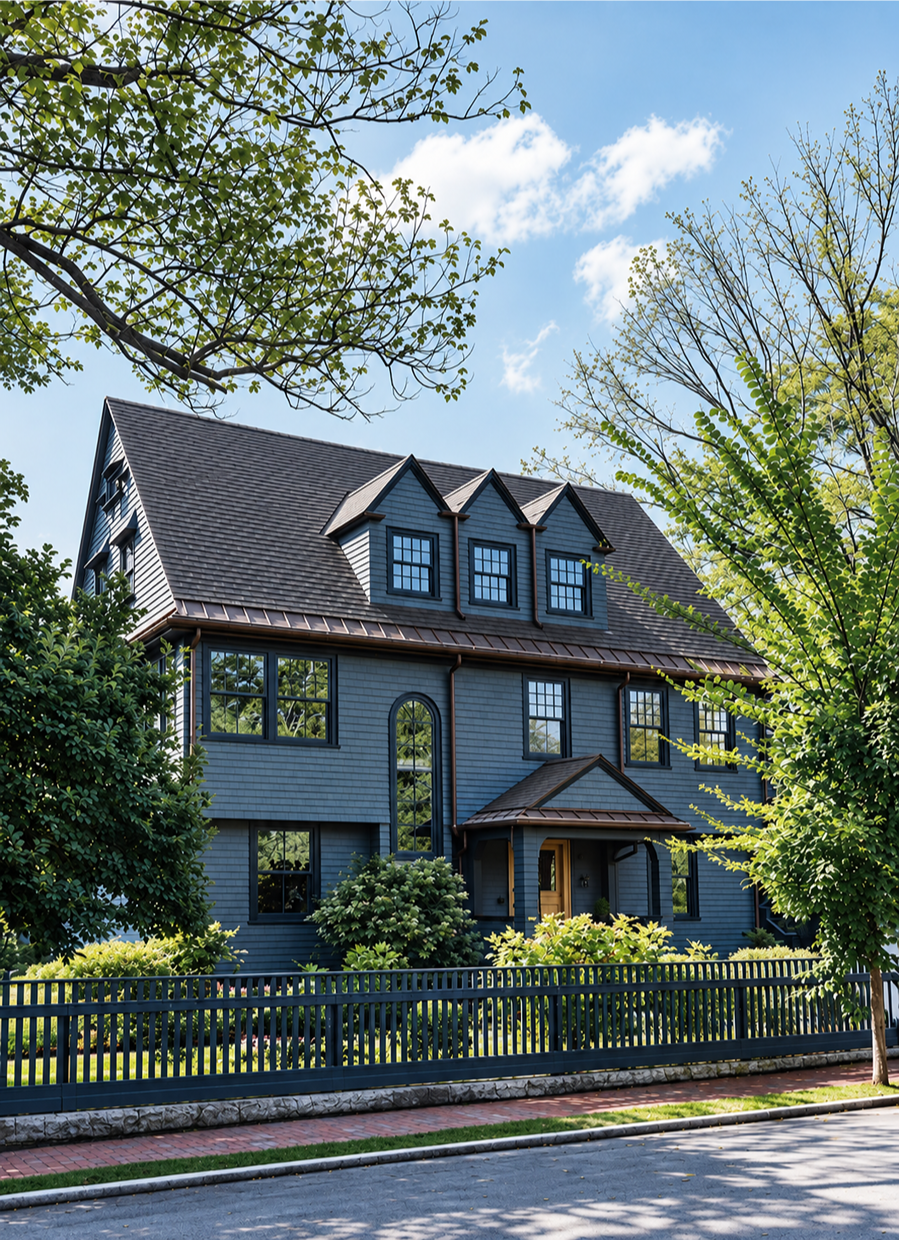
In New England, Masonite siding became popular because it looked like real wood clapboard but cost much less.
Builders liked it because it was easy to install, easy to paint, and gave homes a traditional appearance that fit the region’s style.
Many houses built or renovated during that time period used it as a budget-friendly alternative to wood siding.
At first, it seemed like a great product.
It had a clean look, and when new, it could hold paint well and resist small dents.
But over time, serious problems started to show up, especially in climates like New England.
The biggest issue is moisture.
Masonite is made from wood fibers, and those fibers naturally absorb water.
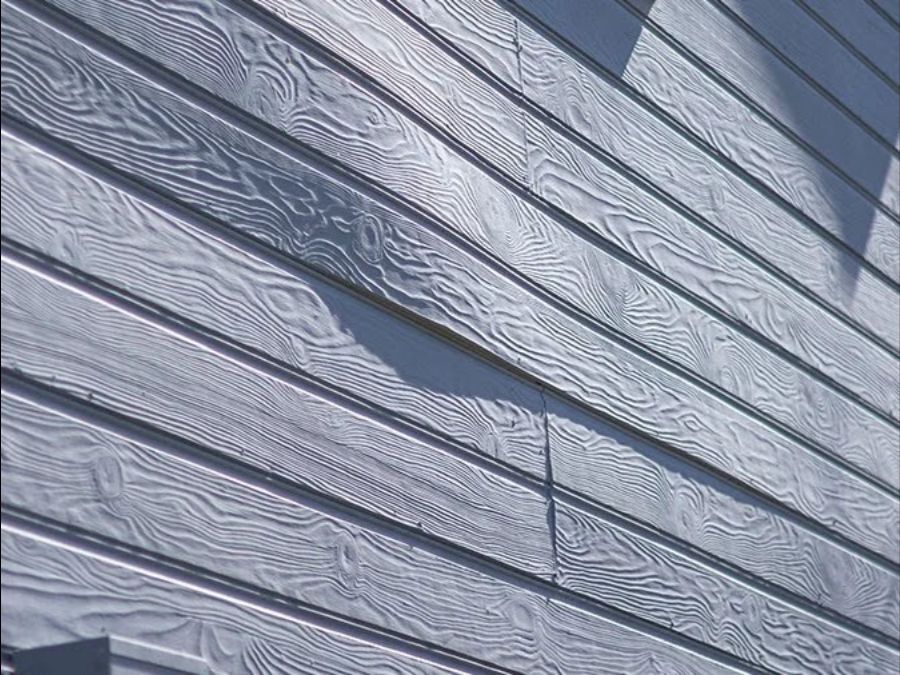
Once water gets into the material, the board can swell, soften, and eventually rot.
This is especially a problem in places with rain, snow, and humidity.
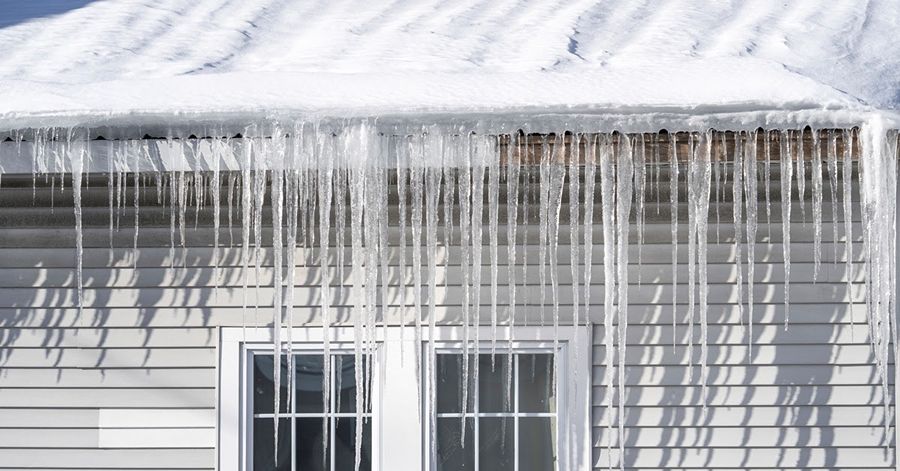
New England weather is tough on siding.
There are freeze-thaw cycles, heavy rain, snow buildup, and damp conditions that all of our homes in the region work through on a yearly basis.
All of these make it easier for water to get into small cracks, nail holes, or unsealed edges.
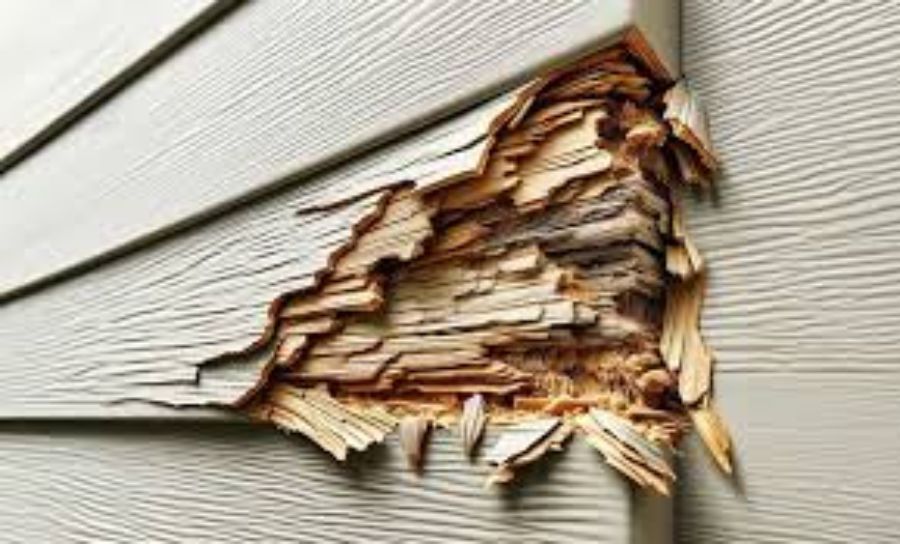
Once that happens, Masonite can start to break down quickly.
Common problems include swelling at the bottom edges, around nail heads, and around any area that may have had its paint coating open up as well as warping, cracking, and paint peeling.
The boards can also expand and shrink over time, which breaks seals and lets in even more water.
Eventually, the material can rot and lose its strength.
Another issue is maintenance.
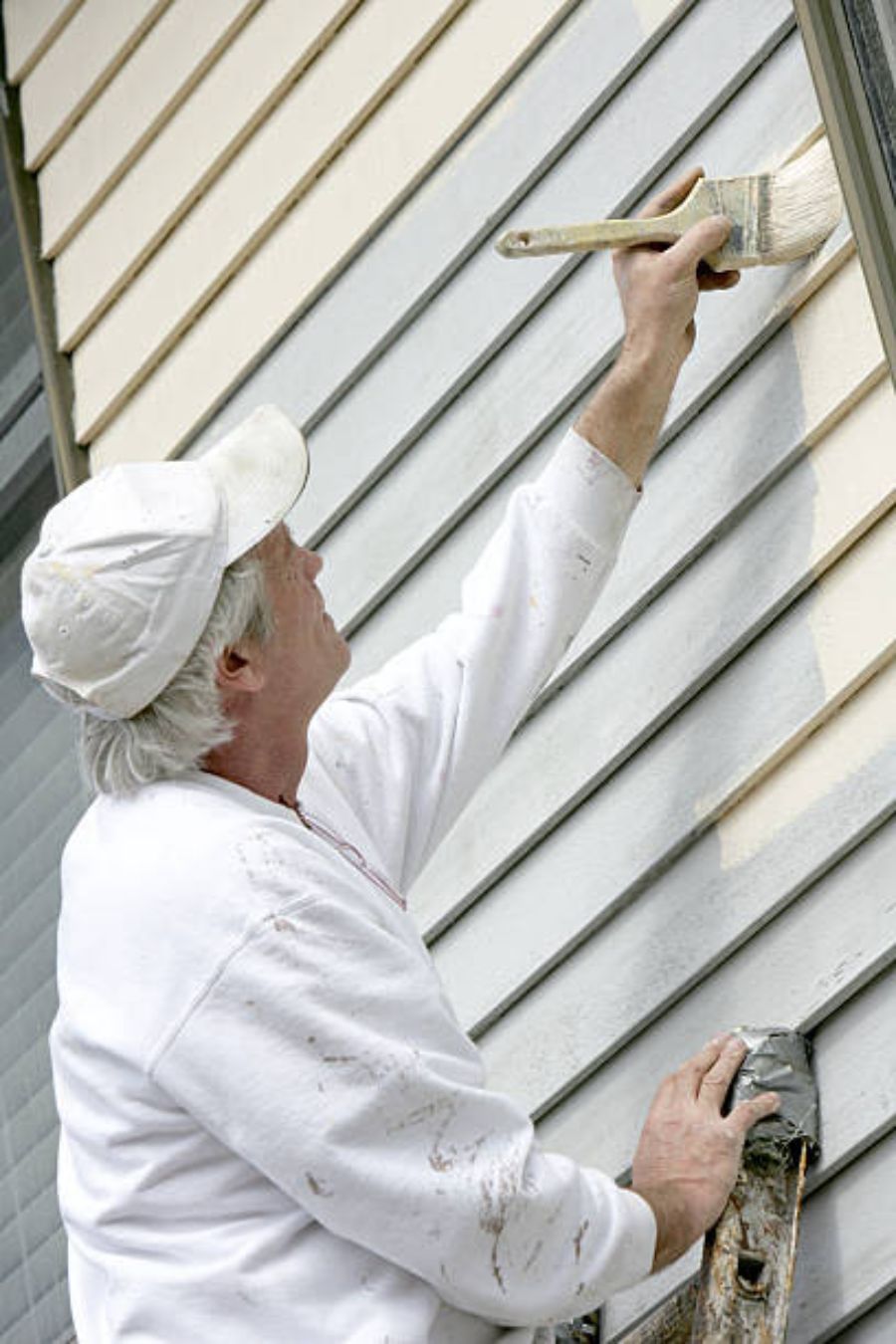
Masonite siding must be painted and sealed regularly to keep water out.
If the paint fails even a little, the material becomes vulnerable.
This makes it more high-maintenance than many modern siding options.
Because of these problems, Masonite siding developed a bad reputation.
There were even major lawsuits in the 1990s over product failures.
As a result, it is no longer widely used for exterior siding today.
Though a once popular, low-cost siding choice which provided the appearance of “wood”, harsh climates over time revealed its weaknesses and although still used today in various situations, it has proven to be far from the ideal building material in exterior siding (…and trim) applications.
Follow Us on Social Media!