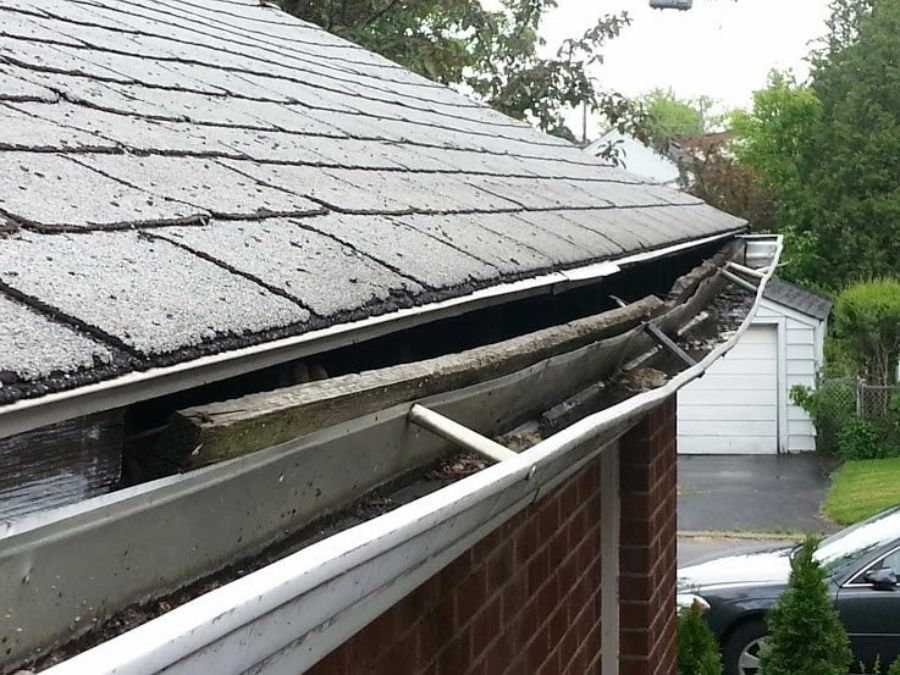
When the board behind a gutter begins to rot, it is usually a sign that water has been getting into places it should not.
This board – often called a fascia board – sits right behind the gutter and helps support it.
Because these are often made of wood, they can break down quickly when exposed to too much moisture.
Understanding what causes the rot can help homeowners prevent expensive damage and keep their gutters working properly.
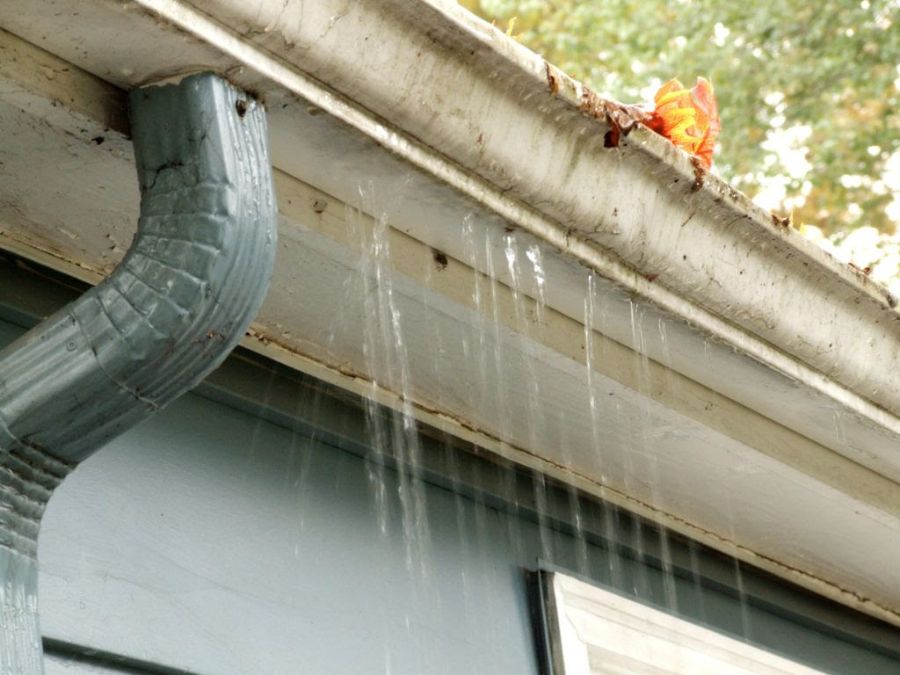
One of the most common causes of fascia board rot is clogged gutters.
When a gutter fills up with leaves, twigs, and other debris, water cannot flow through it the way it is supposed to.
Instead (unless the gutter is flashed a certain way) the water can overflow and spill behind the gutter onto the fascia board.
Over time, this constant exposure to moisture soaks the wood and causes it to weaken and rot.
Keeping gutters clean and clear and testing once or twice per year to make sure that the gutter systems on your home are functioning properly are the easiest ways to avoid this problem.
Another major cause of these boards rotting out is gutters that are not pitched correctly.
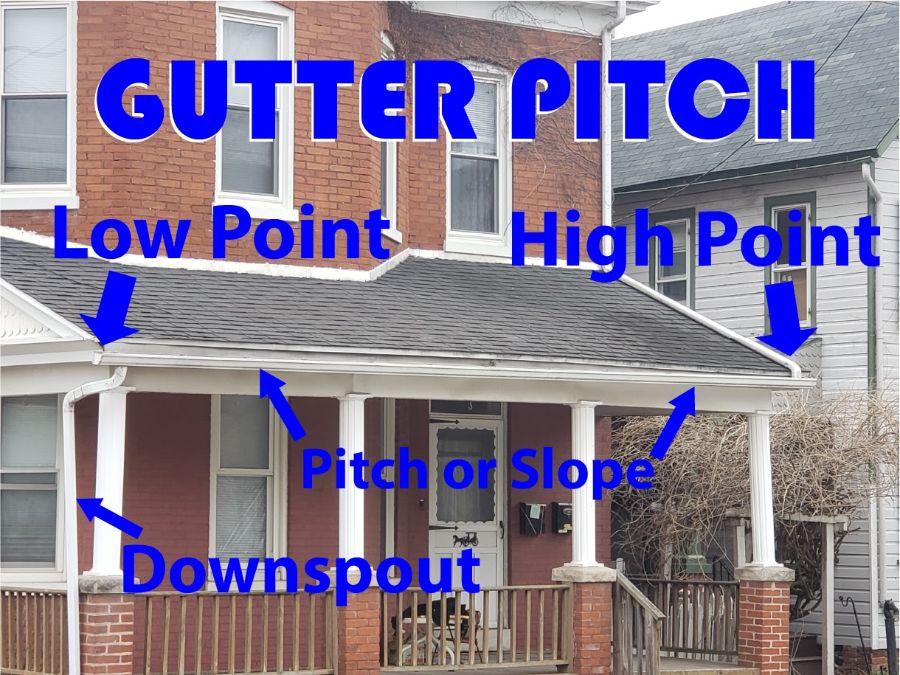
Gutters need a slight angle so water can drain toward the downspouts. If they are installed flat or sloping the wrong way, water sits inside the gutter instead of moving.
When water sits for long periods, it can leak behind the gutter and into the fascia board. Even small amounts of trapped water can cause long-term damage.
Damaged or missing roof shingles can also contribute to fascia board rot.
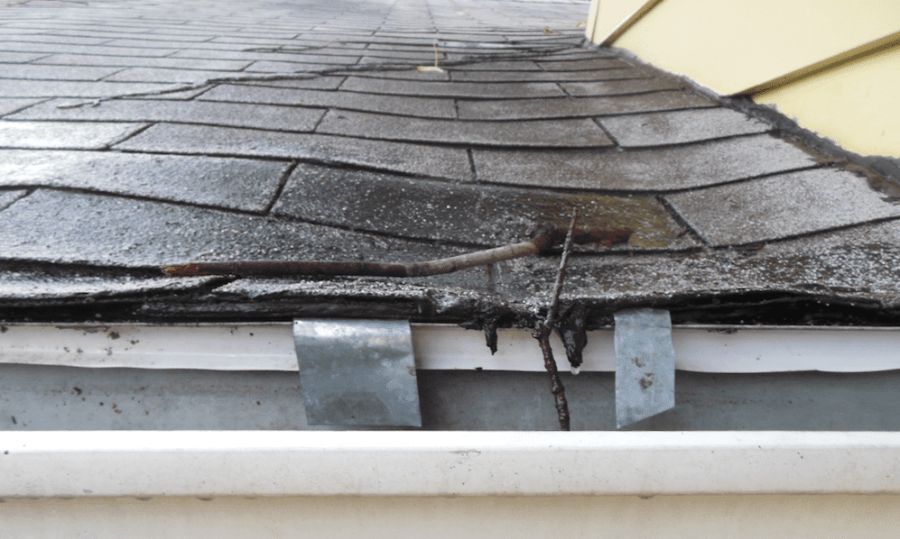
When roof shingles are cracked, loose, or blown off, water can run down behind the gutter instead of into it.
This hidden water collects behind the gutter and soaks into the wood.
Many homeowners do not notice this problem until the rot becomes severe, so regular roof inspections (once per year should be sufficient) are important.
Ice dams can also create trouble in colder temperatures.
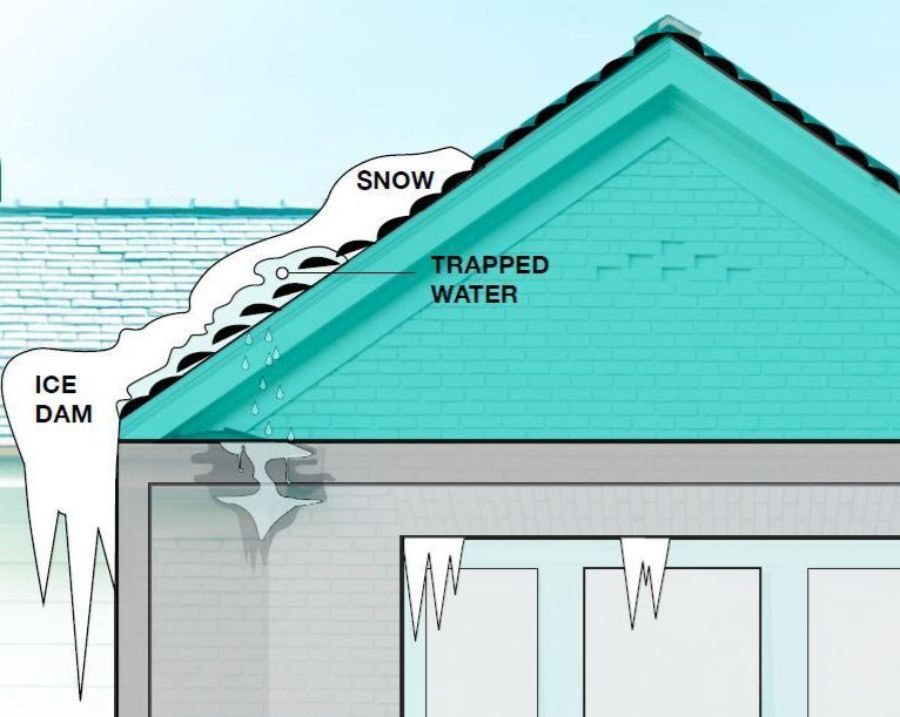
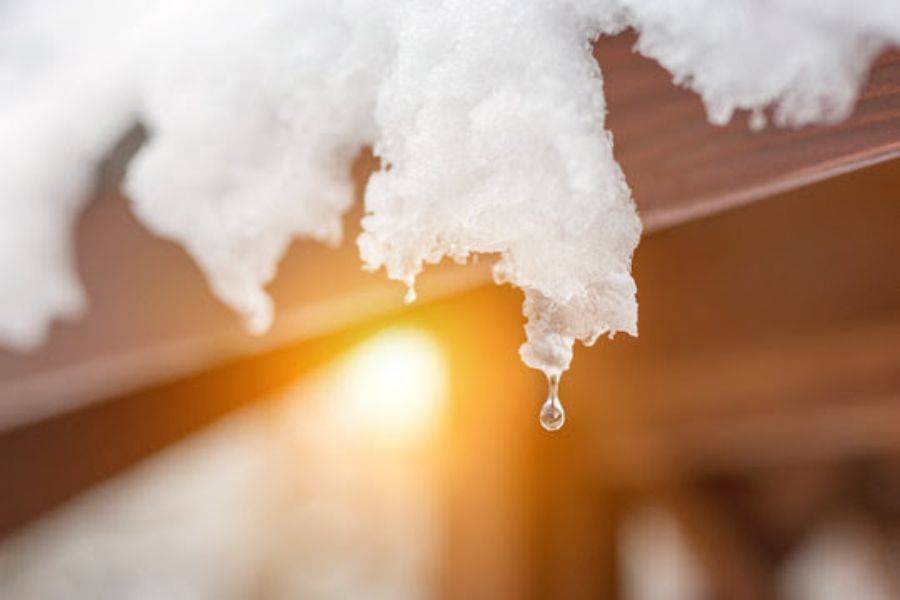
When snow melts on a roof and refreezes at the edge, it forms a block of ice that traps water.
This water has nowhere to go and often seeps behind the gutter.
The trapped moisture slowly destroys the fascia board during Winter months and can lead to rot by Spring.
Poorly installed gutters are another common cause.
If the gutters are not fastened properly, they can pull away from the fascia board.
This creates small gaps where water can sneak in. Over time, these gaps let enough moisture through to weaken the board.
Proper installation by a trained professional can prevent these issues and keep the gutter tight against the house.
In some cases, old paint or failing caulk can also contribute to rot.
Paint helps protect the wood from moisture, and when it peels or cracks, the protection disappears.
Caulk around joints and seams works the same way.
Once these protective layers break down, the wood becomes much more vulnerable to water damage.
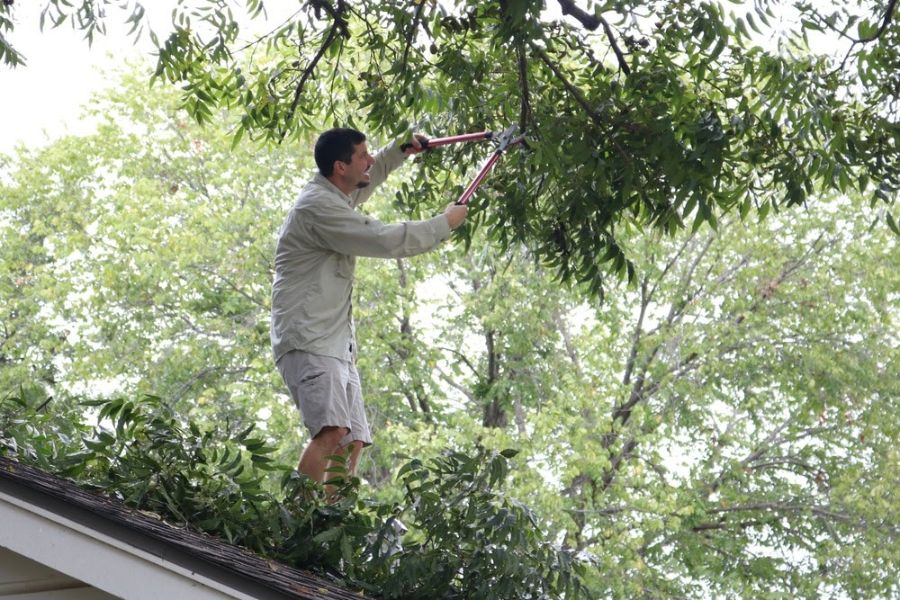
Trimming branches near the roof also helps.
Fewer leaves and twigs fall into the gutters, reducing clogs and overflow.
With less debris collecting, the gutter system stays cleaner and the fascia board is less likely to face damaging moisture over time.
Fortunately, as many ways as there are in which these wooden fascia boards located behind gutters can rot, there are equally as many ways to prevent them from doing so.

For if you are able to prevent rot in these areas before it starts, this will prevent you from having to endure what is most likely to be quite the costly repair that now needs to be undertaken once the rot is discovered.
Follow Us on Social Media!