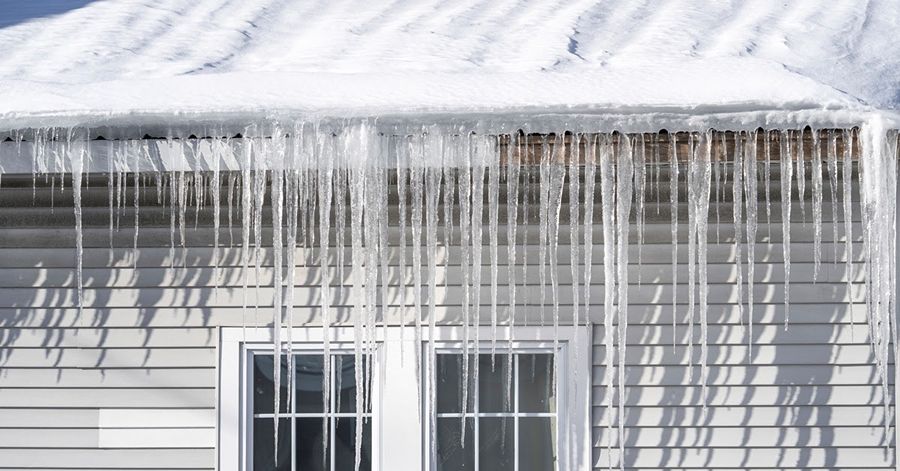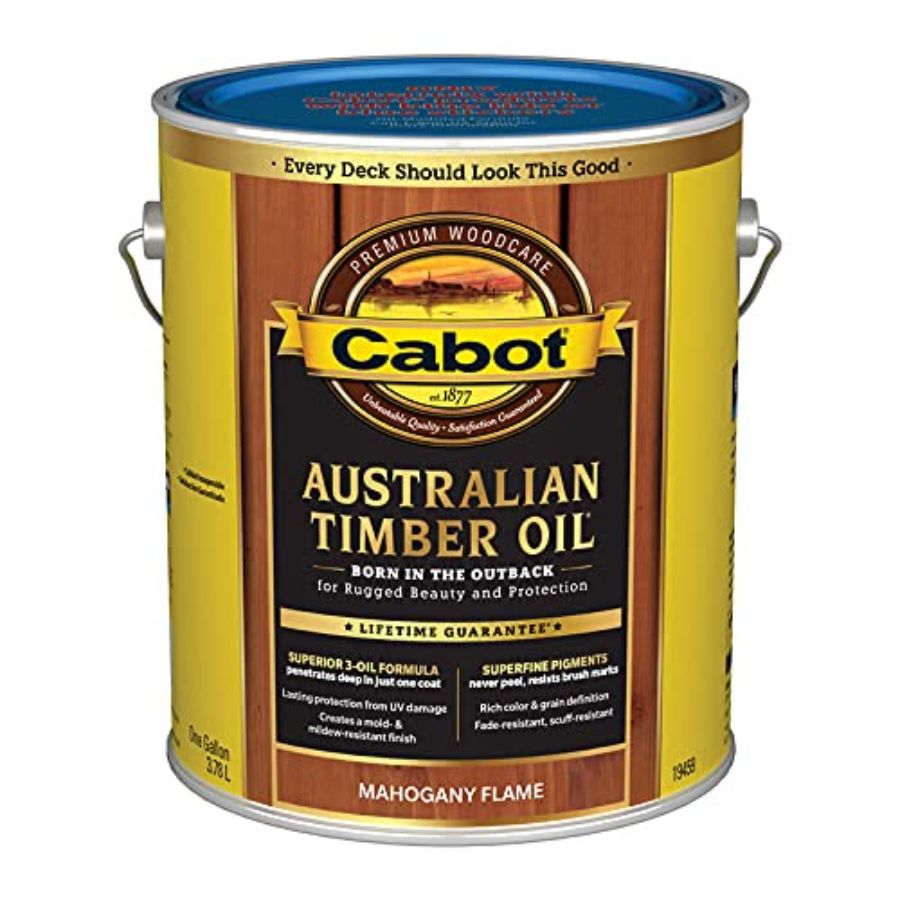
After a long and harsh New England winter, many homeowners find that their hardwood decks need attention.
Decks made from dense woods like mahogany or Ipe can handle tough weather, but months of snow, ice, and freezing temperatures still take a toll.
Cosmetically, the wood may look faded, dry, or uneven in color once the snow melts.
When it is time to refresh the deck, a wood-toning stain is often the best product to use.
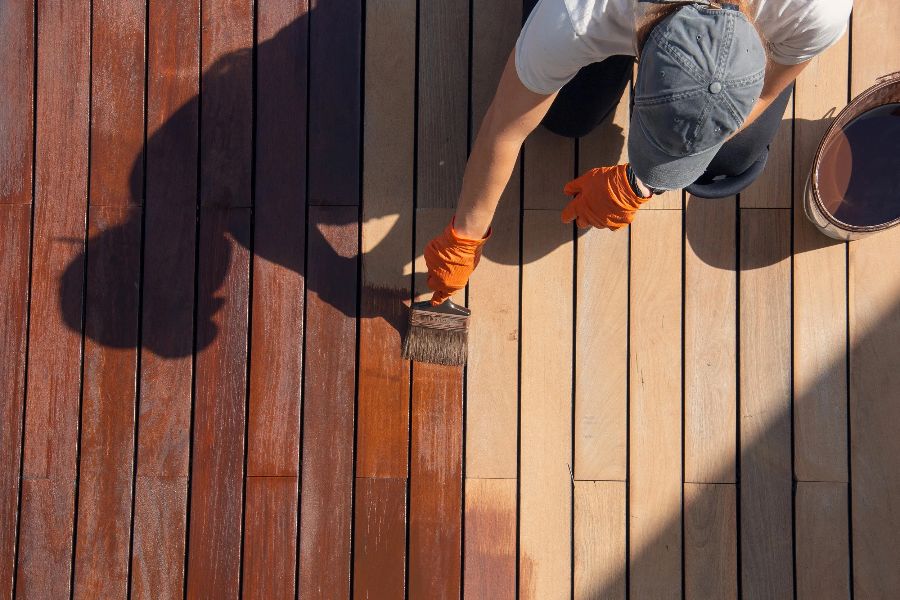
This type of stain protects the wood while also bringing back the natural color and beauty that made the deck attractive in the first place.
Mahogany and Ipe are very dense hardwoods.
Because of this density, they do not absorb thicker stains very well.
Solid or more heavily-bodied stains tend to sit on top of the surface instead of soaking into the wood.
Over time, this can lead to peeling, cracking, or uneven wear.
In contrast, a wood-toning stain is MUCH thinner and designed to penetrate into dense hardwood fibers.
Instead of forming a thicker film on top, it soaks into the wood and bonds with the surface.
This allows the stain to move with the wood as temperatures and moisture levels change throughout the year.
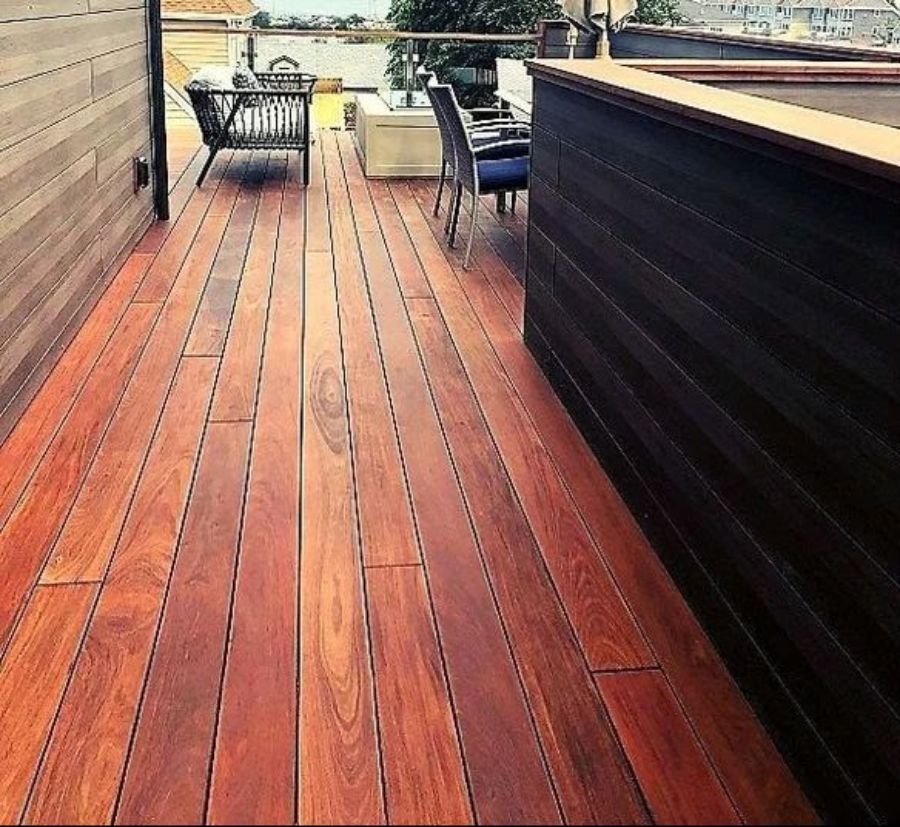
Another benefit of wood-toning stain is that it enhances the natural grain of hardwood decking.
Mahogany and Ipe are prized for their rich color and beautiful grain patterns.
A heavy stain can hide these features, but a wood-toner allows them to show through.
The result is a deck that looks refreshed but still natural.

Most toning stains also include UV protection.
This helps slow down the fading and graying that occurs when hardwood decks are exposed to strong sunlight during the summer months.
The process of applying a wood-toning stain begins with proper preparation.
After winter, the deck should first be inspected carefully.
Look for loose boards, popped nails, or damaged areas that may need repair.
Any debris such as leaves, dirt, or sand should be swept away so the surface is clean.
The deck should then be washed, there are a variety of ways to accomplish this task, there are even cleaners specifically made for use on hardwood decks.
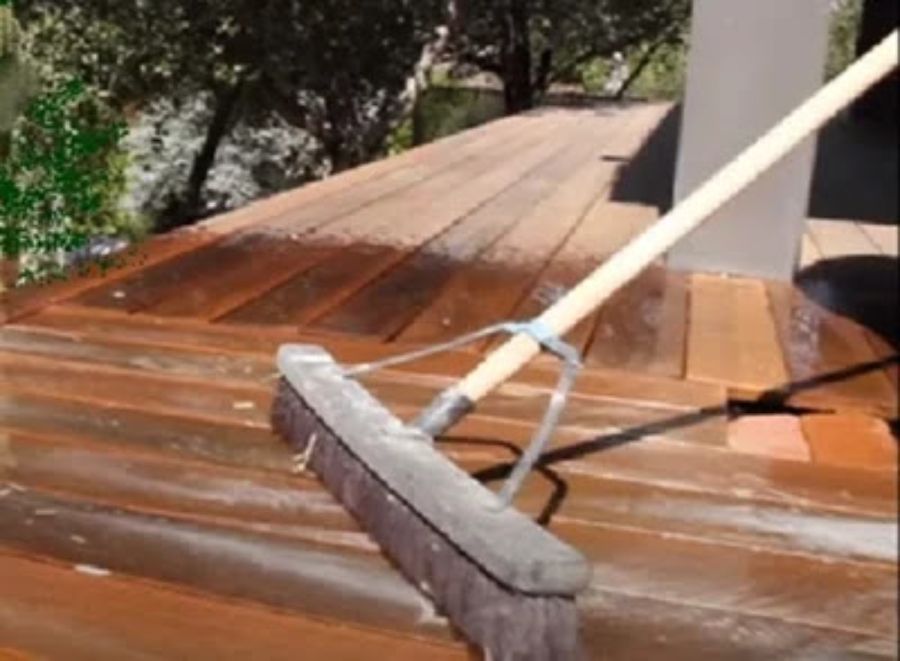
Cleaning should be aimed at removing dirt, mildew, and old stain residue that may still be on the wood.
A soft bristle brush or deck cleaning pad can work well for this step.
Avoid using very high pressure when washing, because pressure washers can damage the surface fibers of hardwood decking if used improperly, though using a machine with the proper soft washing procedure will certainly do the trick and is ok to do if done in the correct manner.
Once the deck is clean, it is important to allow the wood to dry completely.
This step is especially important in the spring, when dampness in the air can be a bit higher.
In most cases, the deck should dry for at least one or two days before staining.
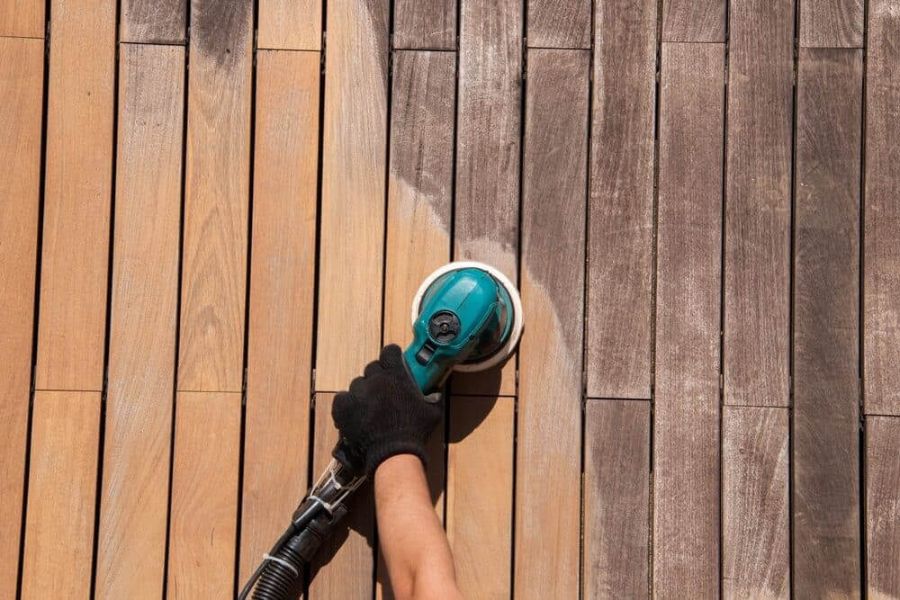
Before applying the stain, lightly sanding the deck can help open the pores of the wood, though you do have to be careful as sanding with the incorrect methodology can actually close the pores of the wood and make it harder for the stain being applied to penetrate properly.
After any sanding is done, the dust created should be swept or blown off so the surface is clean again.
The wood-toning stain can then be applied using a brush, stain pad, or roller designed for deck finishing (though I always find using a brush will provide the best results).
The stain should be spread in a thin, consistent coat and brushed along the grain of the wood in a manner in which one board at a time is done, end-to-end, always making sure your edge is left “wet” as you are moving along the length of the board.
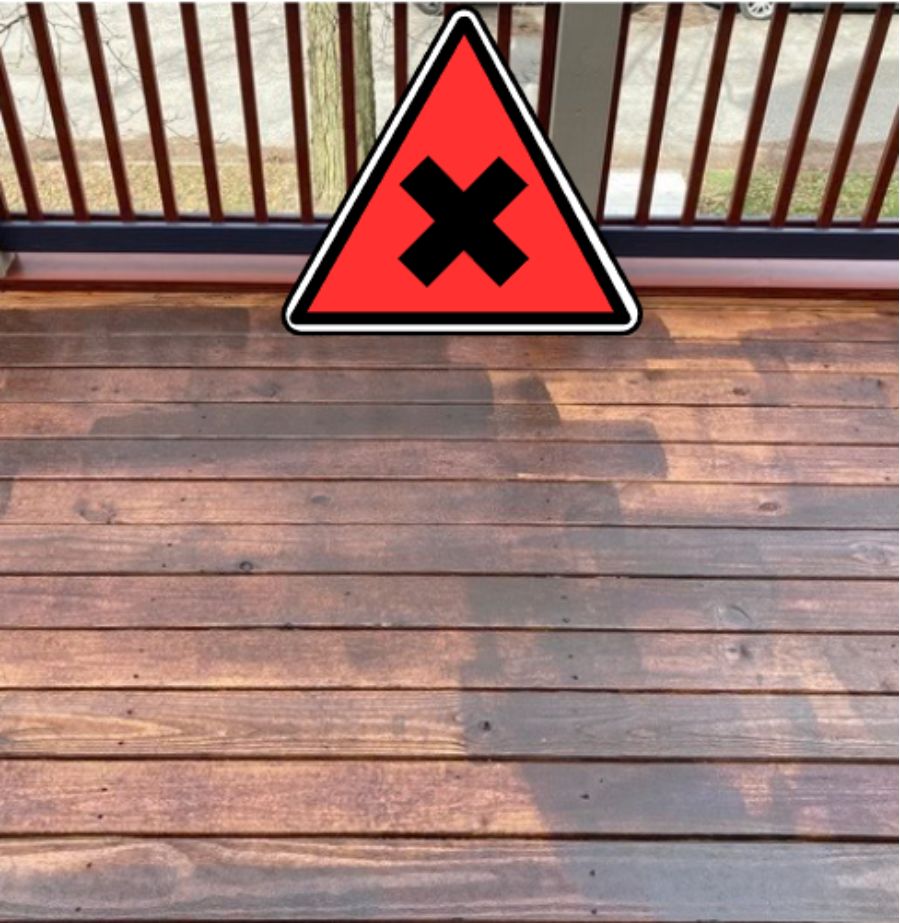
It is important to do each board one at a time in this fashion in order to avoid lap marks (which truly are unsightly!).
Allow the stain to soak in and dry according to the manufacturer’s instructions.
With some stains it is advised to wipe off any residue with a rag in order to prevent unnecessary buildup.
If a rag is used to wipe the stain, it should be placed in a bucket of water in order to avoid spontaneous combustion – the next time we talk, ask me how I know!
Your end result should be a deck that looks refreshed, protected, and ready for another spectacular New England summer!
Follow Us on Social Media!