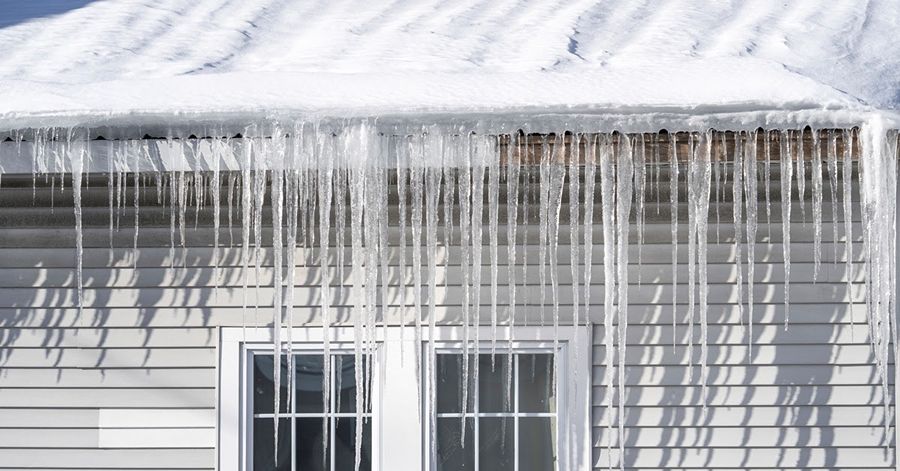
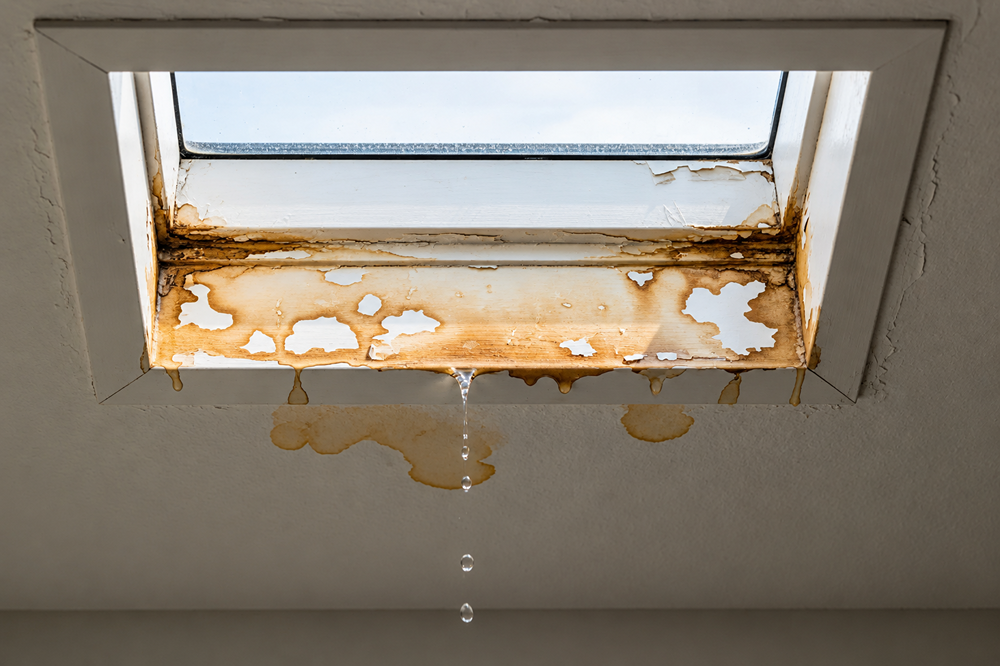
As we in New England are all VERY well aware, ice dams can cause serious damage to a home during the Winter months – particularly during Winters that are rougher than others!
Ice dams form when snow on the roof melts and then refreezes at the edge of the roof.
This creates a ridge of ice that traps water behind it.
Over time, that water can leak inside and cause damage.

Ice dams usually happen because of uneven roof temperatures.
When warm air from the house rises into the attic, it heats the roof deck.
Snow melts in the warmer areas and flows downward.
When it reaches the cold roof edge, it freezes again.
This cycle keeps building thick ice layers.
There are two main ways to prevent ice dams.

One method is installing heat wires along the edge of the roof.
The other is making sure the attic has proper airflow through soffit vents and a ridge vent system.
Using both strategies together works best for long term protection overall.
Heat wires, also called heat cables, are electric wires placed in a zigzag pattern near the roof edge.
When plugged in, they warm the surface just enough to keep snow and ice from freezing solid.
This creates small channels that allow melting water to safely drain off the roof quickly.
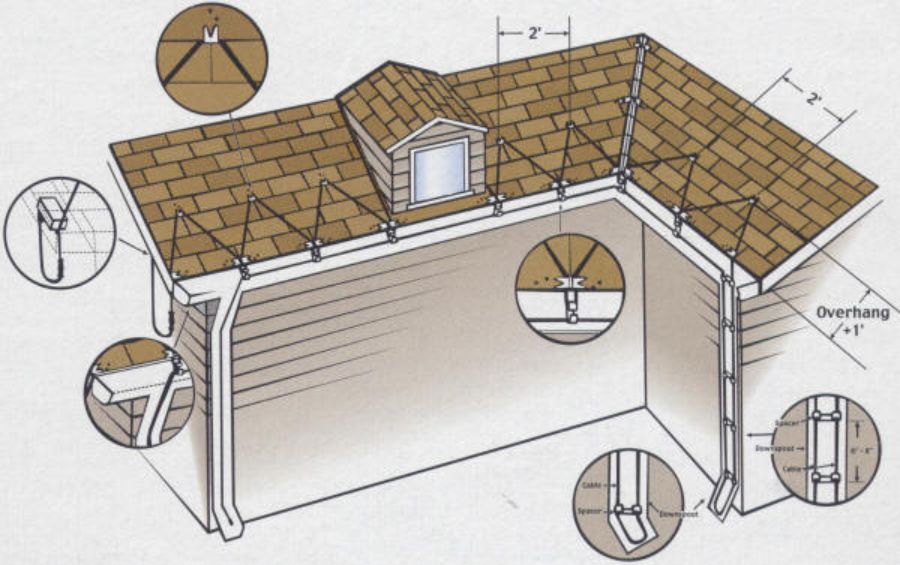
For heat wires to work well, they must be installed correctly.
They are usually attached to shingles with clips and run through the gutters and downspouts.
This keeps water flowing all the way to the ground instead of refreezing at the roof edge.
If installing on your own, be sure to always follow manufacturer directions and safety guidelines.
Heat wires are helpful, but they are not always a full solution by themselves.
The heat wires treat the symptom by melting ice, but they do not fix the root cause, which is warm air in the attic.
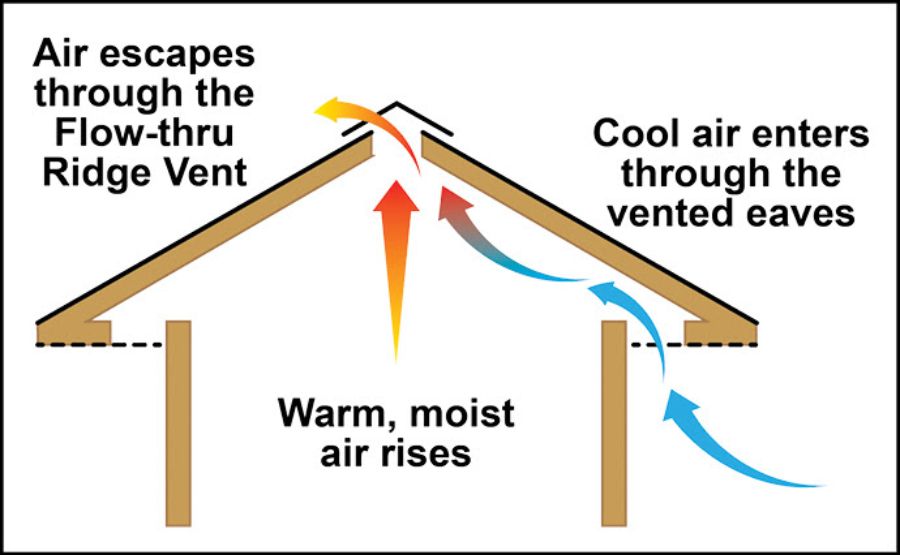
That is why attic ventilation is just as important for long term protection against ice dams.
A well designed ventilation system keeps the attic close to the outside temperature.
This stops warm indoor air from building up under the roof.
The system usually includes soffit vents at the lower edge of the roof and a ridge vent along the peak. Together they create airflow year round.
Cool air enters through the soffit vents under the eaves.
As this air warms slightly, it rises and exits through the ridge vent at the top of the roof.
This natural movement pushes out moist, warm air that could melt snow unevenly. Keeping the roof surface evenly cold in winter.
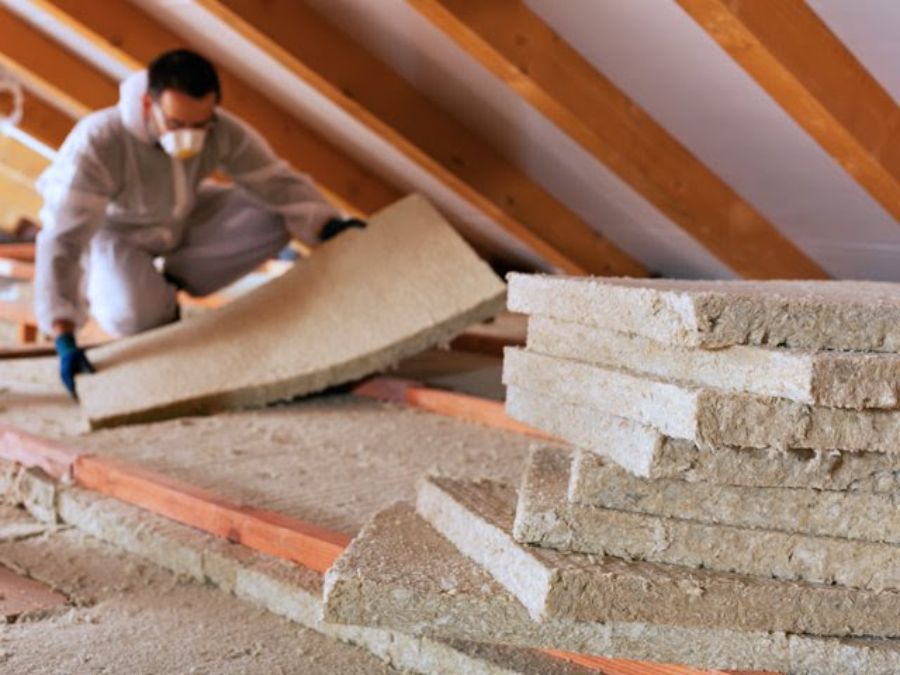
Good insulation on the attic floor also helps control temperature. It blocks heat from escaping living spaces below.
When insulation and ventilation work together, the roof stays cold and snow melts slowly and evenly instead of rushing toward the colder edges.
This balance reduces the risk of thick ice forming.
Homeowners should check that soffit vents are not blocked by insulation or debris.
Styrofoam baffles can be installed to keep insulation from covering the soffit vents.

It is also important to make sure the ridge vent is clear and properly sealed as well as being sure that there are no open gable vents that would impede the natural vacuum begun by the soffit vents.
Regular inspections before Winter can prevent costly roof and ceiling damage.
By combining heat wire installation with a properly vented attic, you attack ice dams from two sides.
Heat wires manage melting water at the edge, while ventilation controls roof temperature across the whole surface.
Together, these strategies protect shingles, gutters, insulation, and the inside of your home year round.
Follow Us on Social Media!