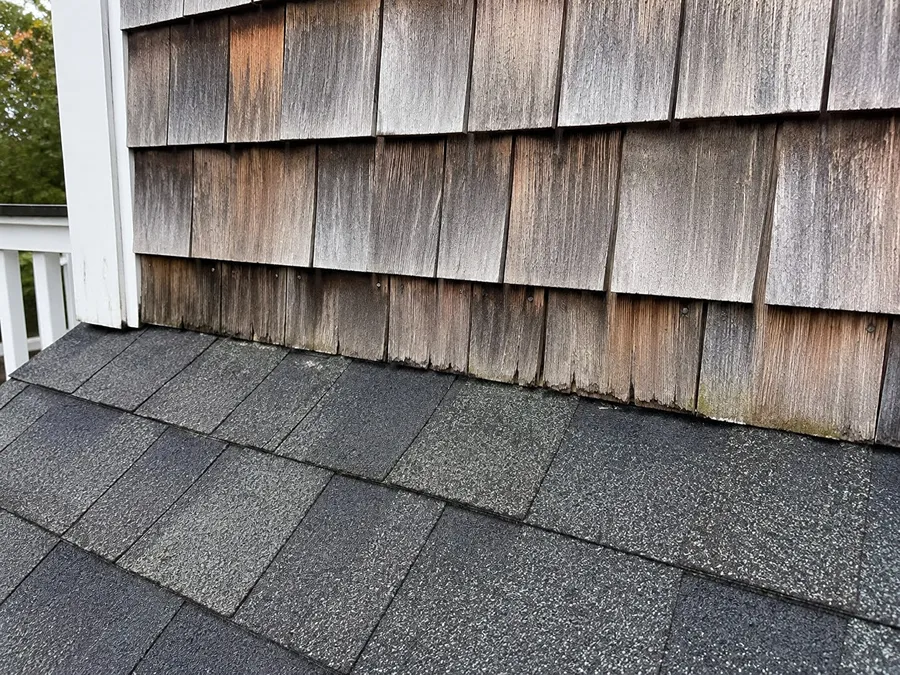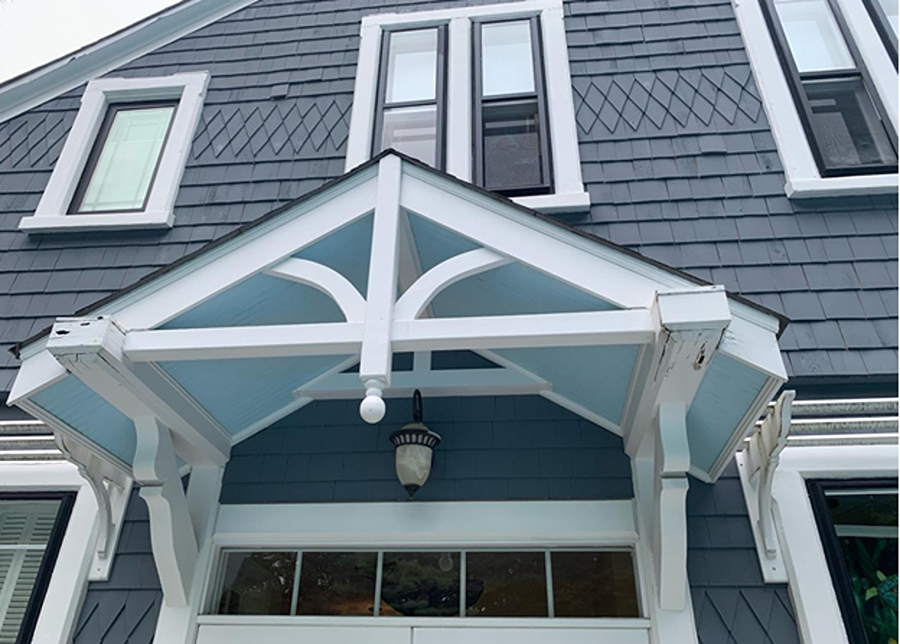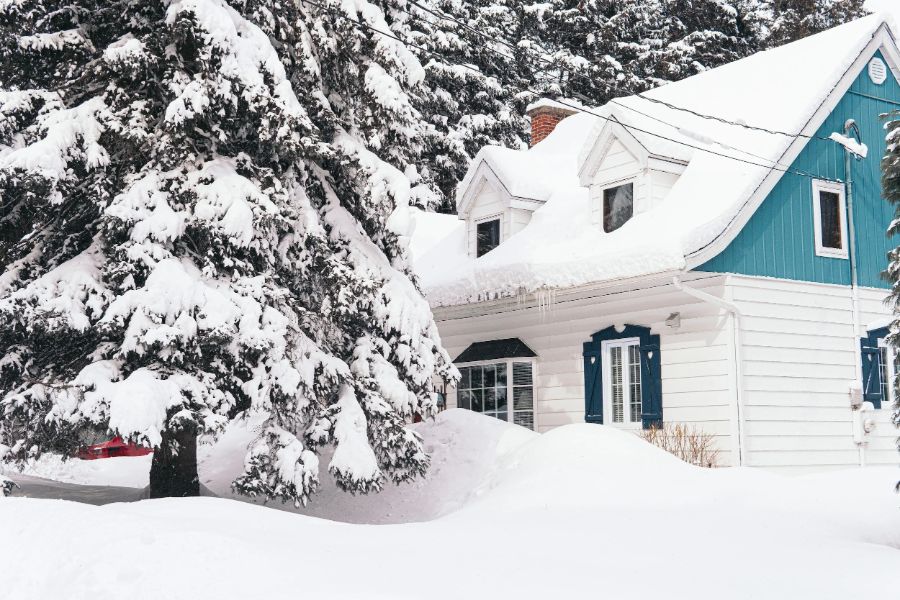
Winter weather can be hard on your home.
Cold temperatures, snow, ice, and strong winds can slowly wear things down if you are not careful.
Knowing which parts of your home are most at risk can help you prevent costly repairs and keep your house safe and comfortable during the colder months.
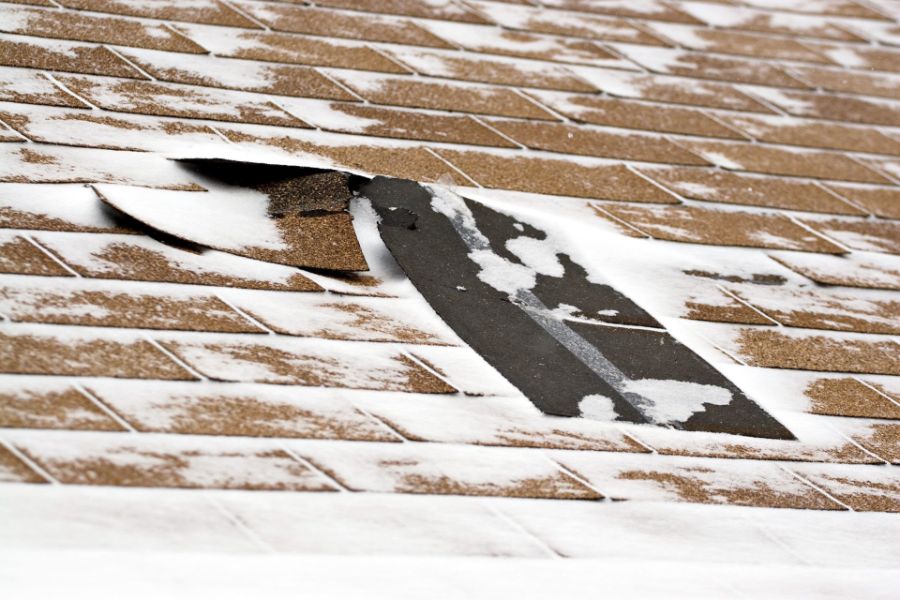
One of the most damaged areas is the roof.
Snow and ice can build up and add a lot of weight.
When snow melts and refreezes, ice dams can form near the edges.
Though certain regions experience this fairly commonly, in New England, we were particularly hit hard with widespread ice dams in the Winters of 2014 & 2015.
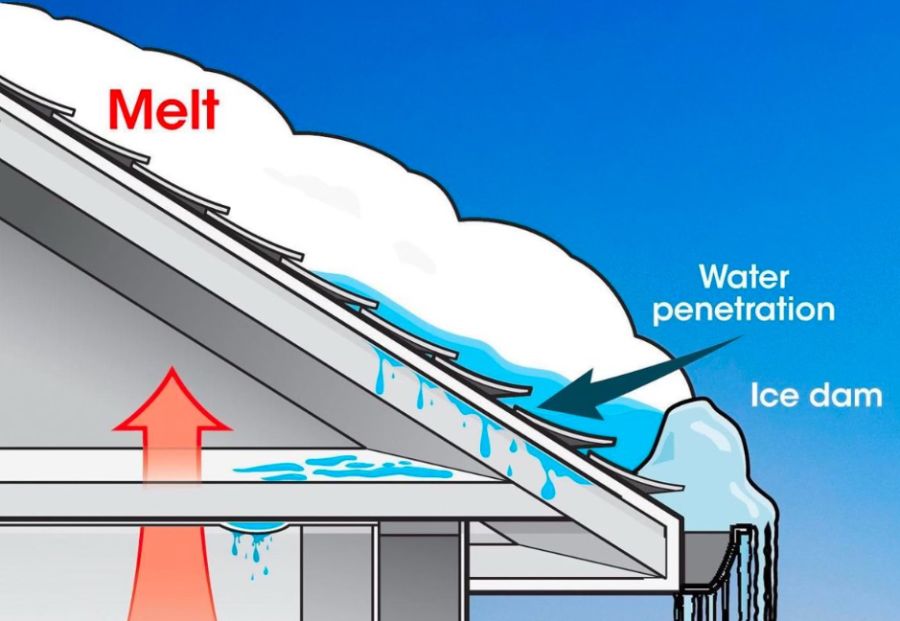
These dams trap water, which can leak under shingles and into your home.
Over time, this can cause roof rot, mold, and damaged ceilings.
Missing or cracked shingles are also common after Winter storms.
Gutters and downspouts often suffer during Winter as well.
Ice can clog gutters, making it hard for melting snow to drain properly.
When water has nowhere to go, it can back up under the roof or spill down the sides of the house.
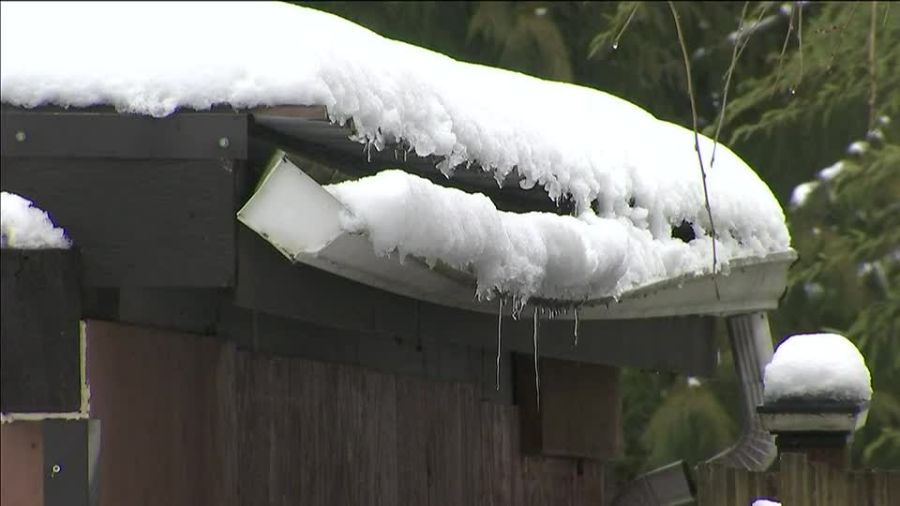
Heavy ice can also pull gutters loose or cause them to bend or crack.
Another area that takes a big hit is plumbing.
Pipes can freeze when temperatures drop below freezing.
When water freezes, it expands, which can cause pipes to crack or burst.
This is especially common in basements, crawl spaces, garages, and exterior walls.
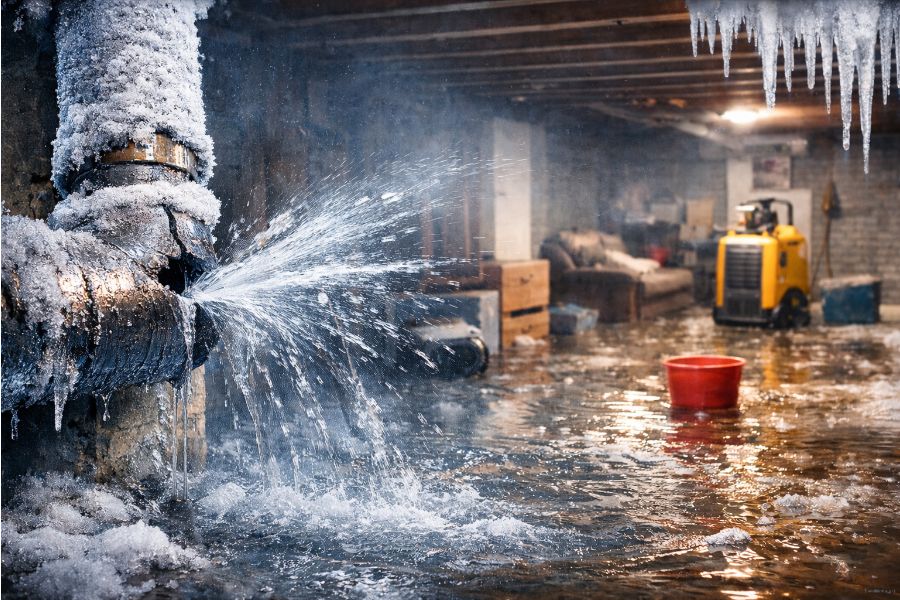
A burst pipe can lead to serious water damage in a short amount of time.
Windows and doors are also affected by Winter weather.
Cold air can cause frames to shrink or warp.
Gaps and cracks may form, letting in drafts and moisture.

This can raise heating bills and make rooms uncomfortable.
Moisture around windows can also lead to rot or mold if not addressed.
The exterior siding of your home is another vulnerable spot.
Snow and ice can get trapped against siding, especially near the ground.
As temperatures change, moisture can seep behind the siding and freeze again.
This can cause cracking, warping, or peeling paint.
Over time, this damage can affect the structure beneath the siding.
Foundations can also be damaged during Winter.
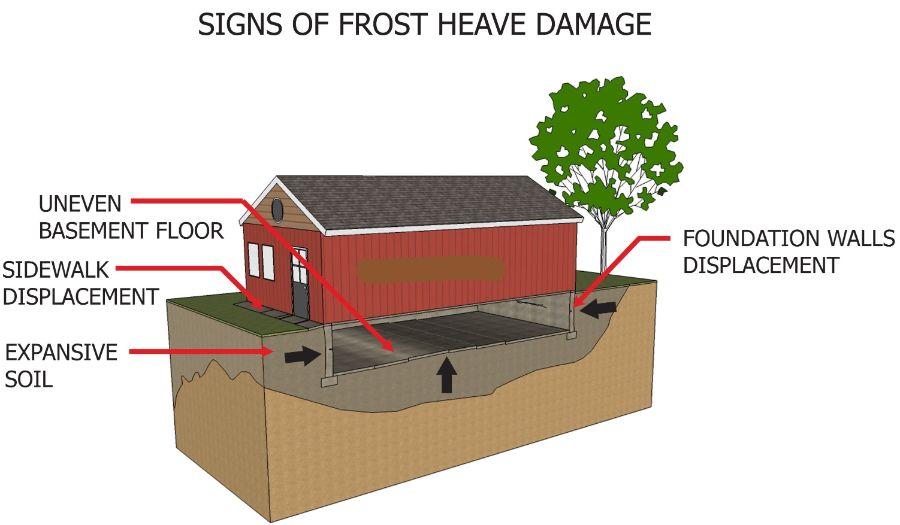
When the ground freezes, it expands, a process called frost heave.
This movement can put pressure on foundation walls and cause cracks.
Water that enters these cracks can freeze and expand, making the damage worse.
Decks, steps, and walkways often show signs of Winter damage too.
Ice and snow can make wood swell and crack.
Freeze and thaw cycles can weaken concrete, leading to chips and breaks.
These areas can also become slippery and unsafe if not maintained.
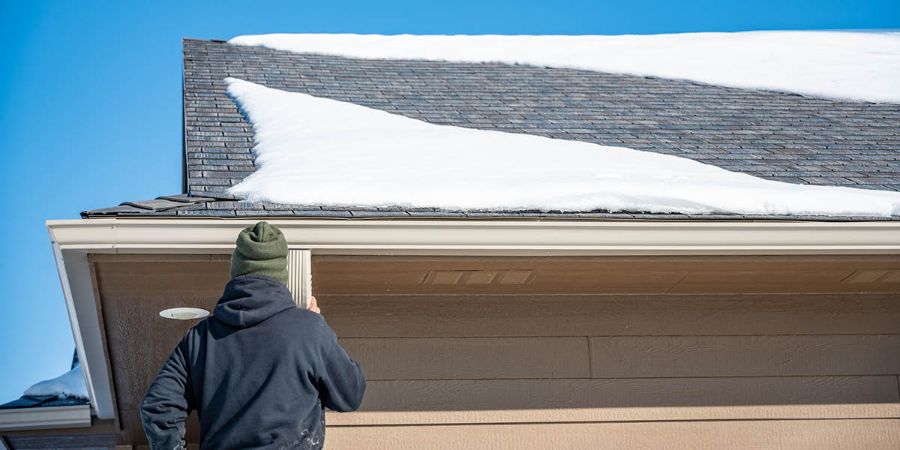
Paying attention to these problem areas before and during Winter is key.
Simple steps like cleaning gutters, checking insulation, and inspecting your roof can prevent small issues from turning into big repairs.
Scheduling regular inspections of your home’s exterior and addressing damage early can save money and stress.
With preparation and care, your home can better handle Winter weather and stay strong, safe, and comfortable until Spring arrives.
Taking action now also helps protect your family and belongings from unexpected emergencies and repairs during harsh Winter storms.
For as the old adage goes, the best time to protect your home from Winter is some time long before Winter sets it, the next best time is TODAY!
Follow Us on Social Media!