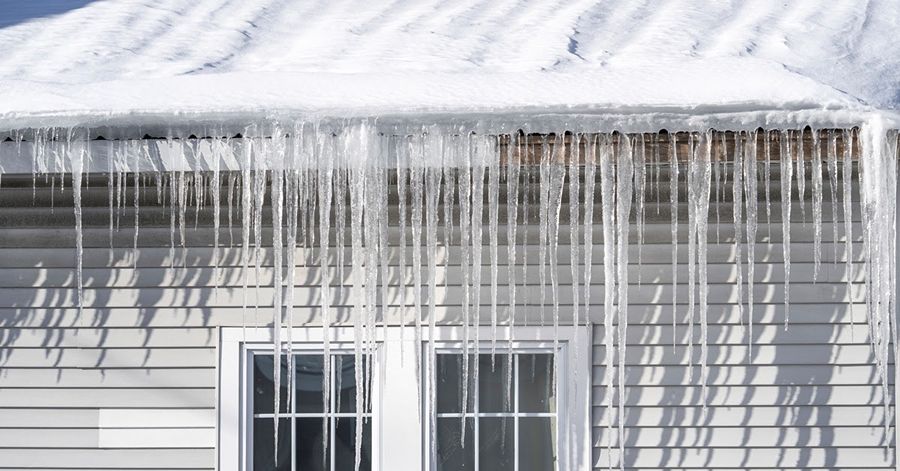
Dormers can add character, light, and valuable living space to a home.
They can also be one of the more vulnerable areas of a roof when it comes to water leaks.
If a dormer is not properly flashed, water can find its way behind the siding, into the walls, and eventually into the home.
So, are your dormers properly flashed?
A properly flashed dormer should have aluminum step flashing running up both sides where the dormer meets the roof.
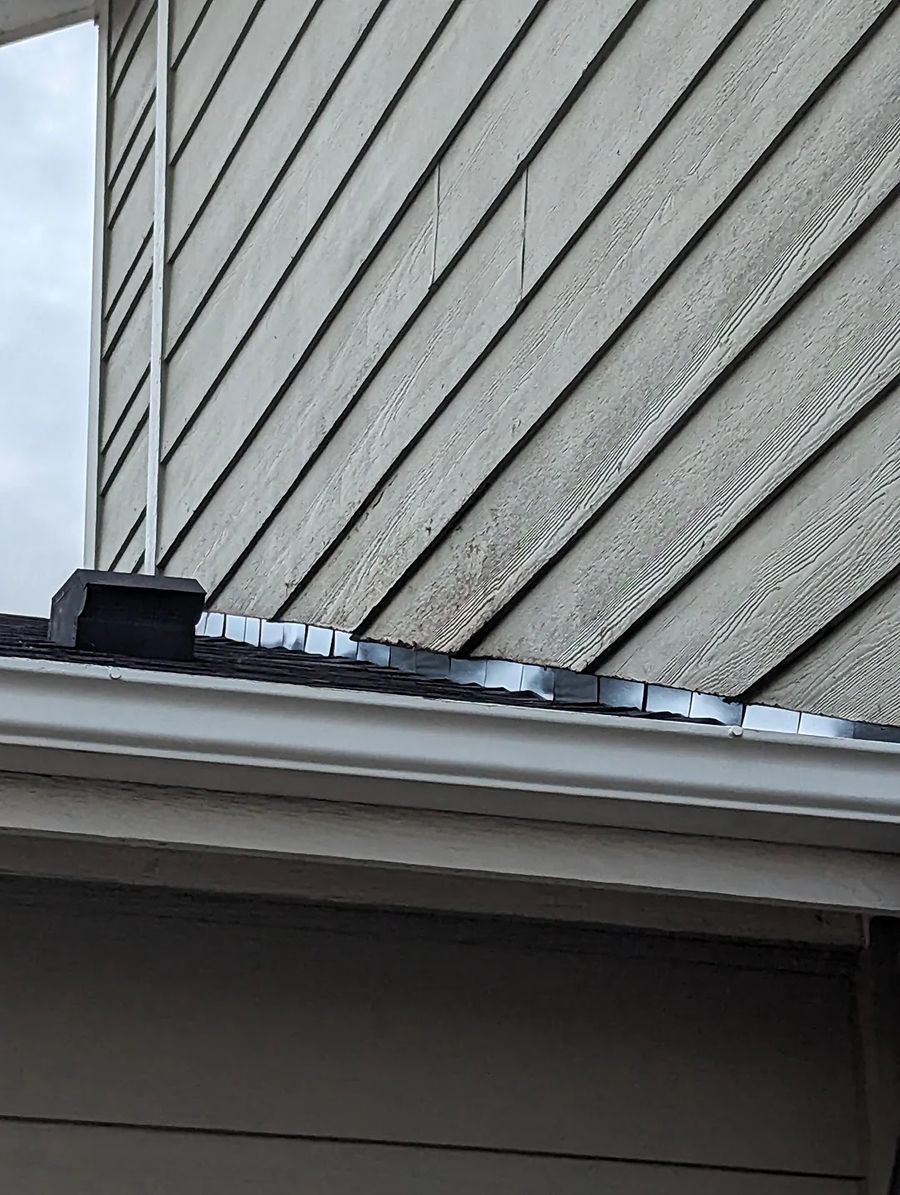
Step flashing is installed in layers, with each piece working with the shingles to direct water away from the wall and toward the roof surface.
This flashing needs to be installed correctly from the bottom of the dormer to the top.
The front of the dormer is another important area.
There should be a piece of lead (NOT aluminum!) flashing running across the front of the dormer, where the roof meets the dormer wall.
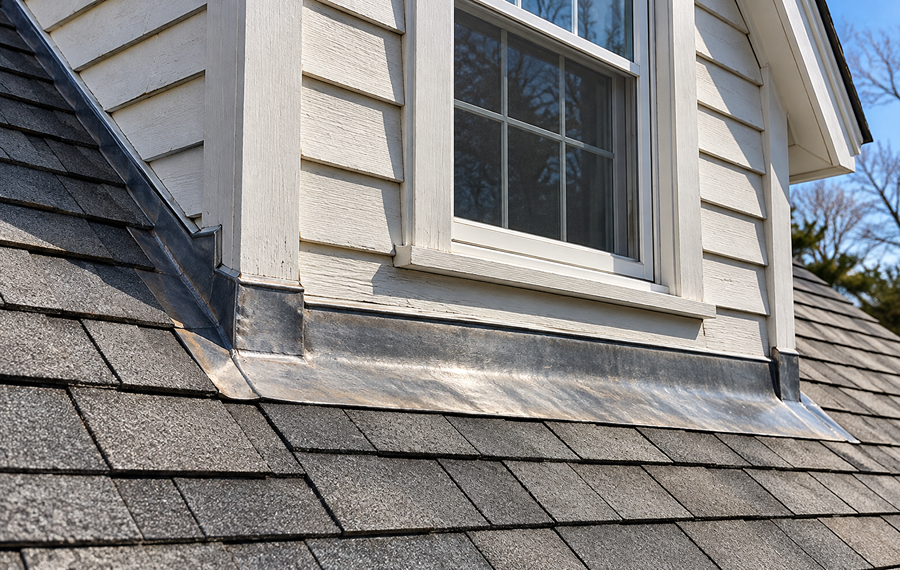
This flashing helps prevent water from getting behind the siding and entering the wall assembly.
It sounds simple.
Unfortunately, it is not always done correctly.
Many roofers are very good at roofing.
They understand roof shingles, underlayment, ventilation, flashing, and the many details that go into building a reliable roof.
However, correctly flashing a dormer is not just a roofing project.
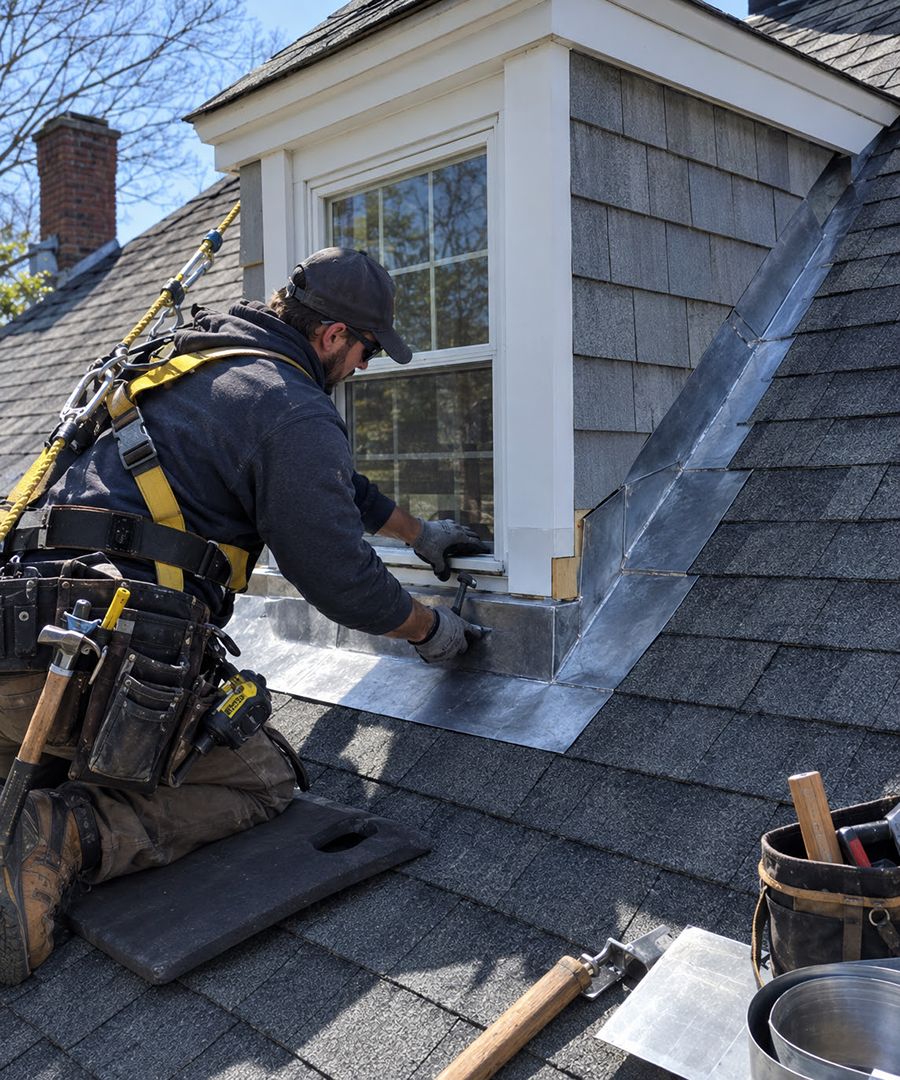
It also involves carpentry as well.
That is where things can get complicated.
In many cases, properly flashing an existing dormer requires opening up some of the siding.
This allows the contractor to see what is actually happening underneath and install the flashing where it belongs.
The problem is that once the siding is removed, it has to be put back together properly.
Some roofers are understandably cautious about this.
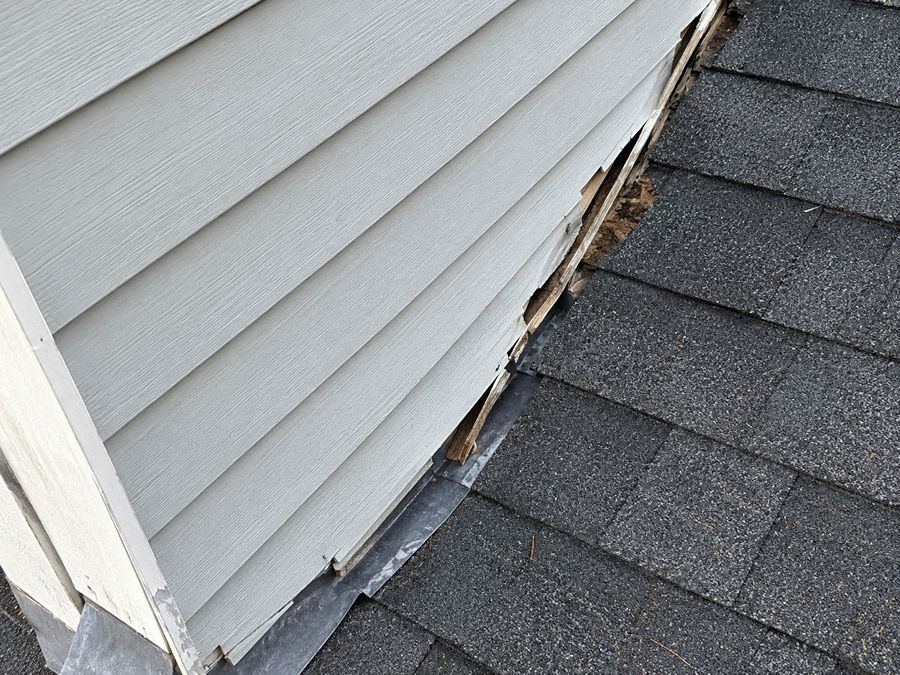
They may be concerned that they will damage the siding, that replacement material will not match, or that they may not be able to recreate the existing siding details appropriately.
As a result, a roofer may choose a less invasive approach that does not fully address the underlying flashing.
This does not necessarily mean the roofer is bad.
It means the job crosses into an area where roofing and carpentry skills need to work together.

A dormer should be looked at as a complete building assembly, not simply as a roof penetration.
When investigating a dormer, we want to understand how the roof, flashing, siding, trim, and walls are all working together.
If there is evidence of staining, soft wood, peeling paint, damaged siding, or repeated leaks around a dormer, the visible problem may not be the actual source of the water.
Water can travel behind siding before it becomes visible inside the home.
That is why simply applying more caulk or replacing a few shingles may not solve the problem.

If your home has dormers, take a close look at how they meet the roof.
If you are unsure whether the flashing was installed properly, it may be worth having someone with both roofing and carpentry experience inspect the area – though because of the way flashing is installed, a visual inspection may only reveal so much.
A properly flashed dormer is not just about preventing a leak today.
It is about protecting the roof, siding, walls, and interior of the home for years to come.
Sometimes, the most important work is the work you cannot see – the work that prevents a small flashing problem from becoming a much larger problem down the road.
Follow Us on Social Media!