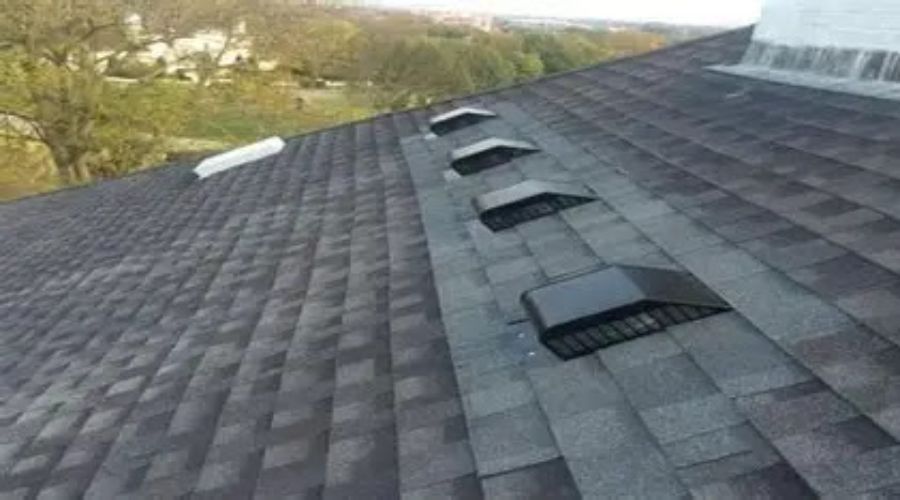
Roof box vents are small metal or plastic vents placed near the top of a sloped roof.
They are sometimes called static vents, turtle vents, or louvers.
Their main job is to let hot air and moisture escape from the attic.
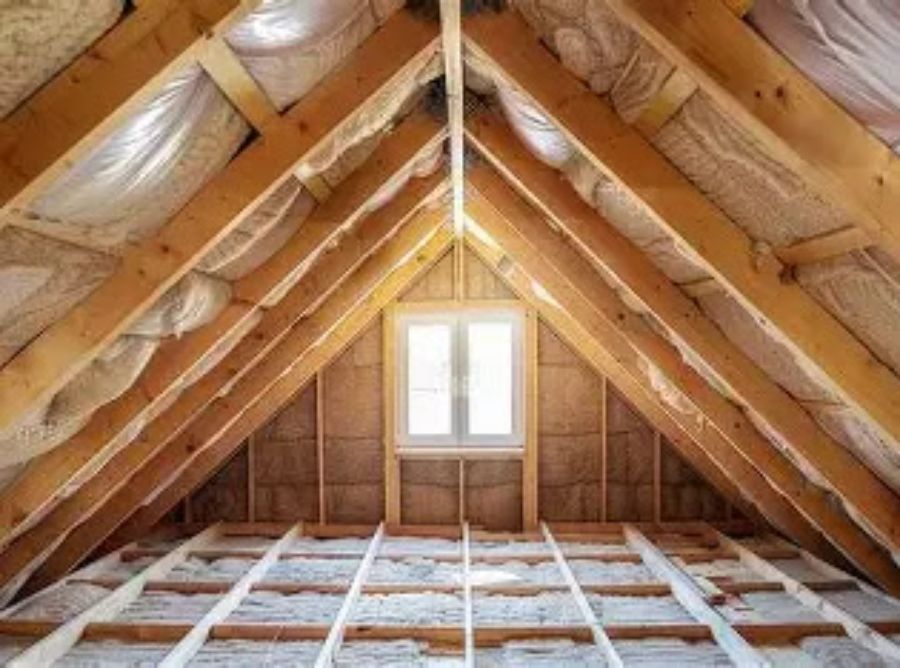
Most homes have insulation in the attic, but even with insulation, heat and moisture can still build up inside that space.
Without proper ventilation, the attic can become extremely hot during the summer and damp during the winter.
Roof box vents help reduce these problems by allowing air to move out of the attic while cooler outside air enters through soffit vents near the bottom of the roof.
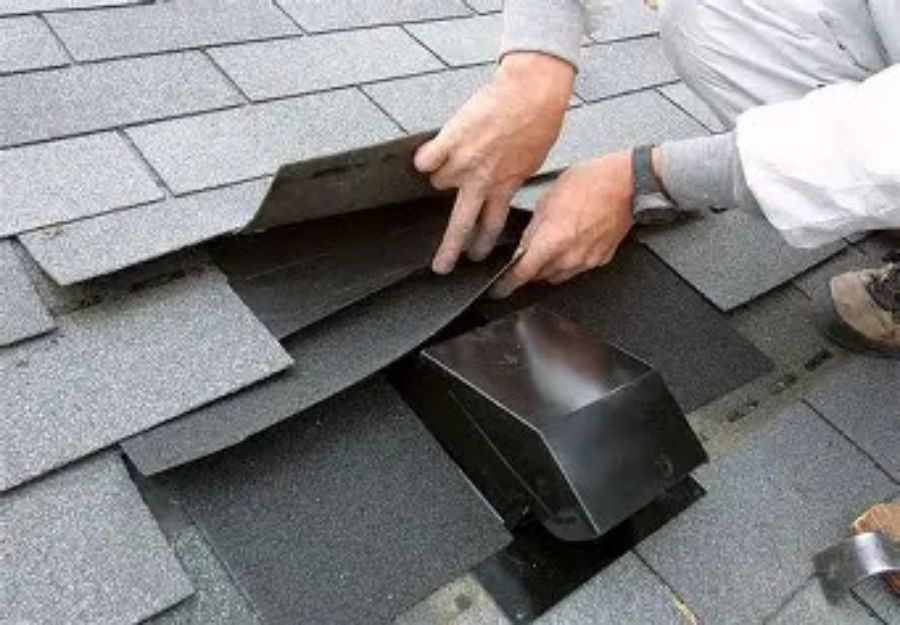
These vents are usually installed by cutting holes into the roof deck and placing the vent covers over the openings.
Since they do not use electricity or moving parts, they work naturally through airflow and temperature differences.
Warm air rises, so it moves upward and exits through the vents.
This process helps keep the attic temperature closer to the outside temperature.
Roof box vents are used for several important reasons.
First, they help lower attic heat.
During hot summer months, attics can reach temperatures well above one hundred degrees.
Excessive heat can make air conditioning systems work harder, which may increase energy bills.
Second, roof box vents help control moisture.
In colder weather, warm air from inside the house can rise into the attic.
If that warm air meets a cold roof surface, condensation can form.

Over time, trapped moisture may lead to mold, mildew, wood rot, or damaged insulation.
Third, proper ventilation can help roofing materials last longer because extreme heat and moisture can wear them out faster.
Although roof box vents are common and useful, many roofing experts believe ridge vents are a better option for most homes.
A ridge vent is a long vent installed along the peak, or ridge, of the roof.
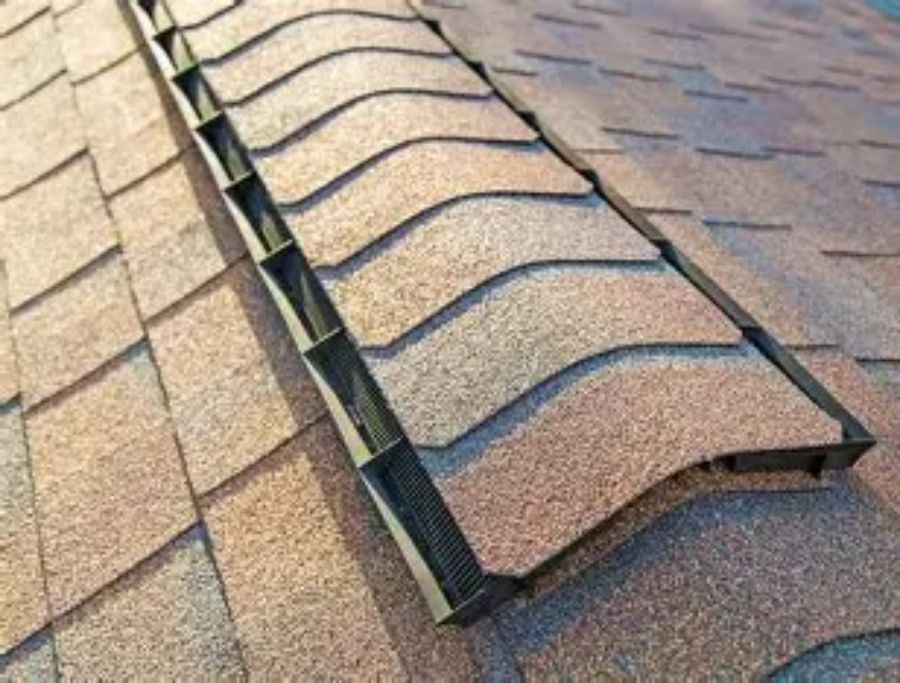
Instead of using several smaller vents spread across the roof surface, a ridge vent creates one continuous ventilation opening along the highest point of the roof.
A ridge vent is often considered more ideal because it provides more even airflow across the entire attic.
Hot air naturally rises to the highest point, so the ridge vent allows heat and moisture to escape more efficiently.
Since the vent runs along the full roof peak, it can pull air out from a larger area instead of only a few specific spots.
Although “beauty is in the eye of the beholder”, many folks believe ridge vents also improve the appearance of a roof.
Box vents stick up above the shingles and can be noticeable from the ground.
Ridge vents are lower profile and blend into the roofline more smoothly.
In addition, ridge vents usually require fewer holes in the roof, which may reduce the chance of future leaks if installed correctly.
Another advantage is that ridge vents often work more quietly and consistently because they create balanced airflow with soffit vents.
While roof box vents can still do a fair job, ridge vents are generally seen as the more modern, efficient, and attractive ventilation choice for many homes today.
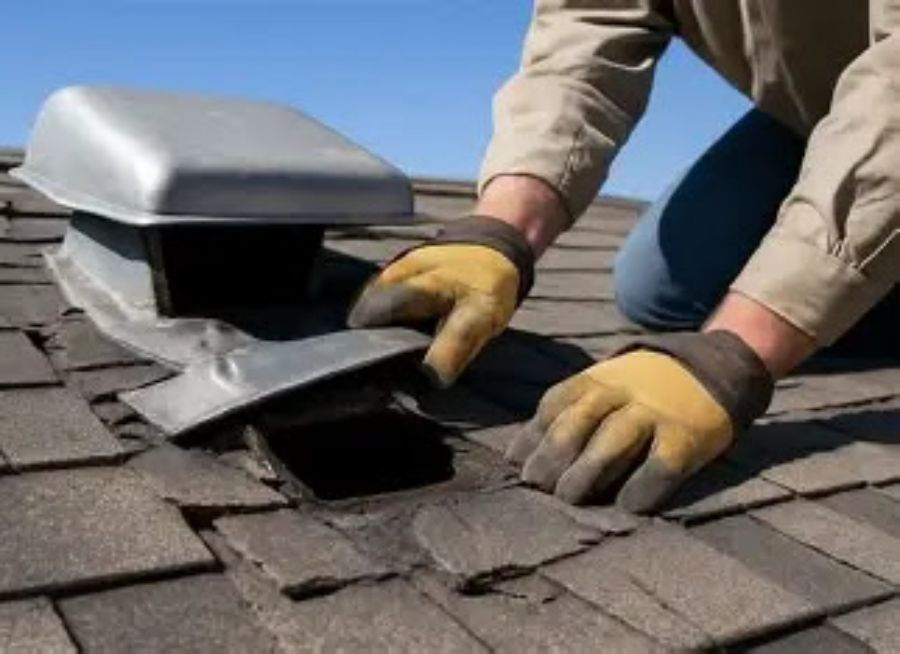
Homeowners should still remember that any ventilation system must be installed properly to work well.
Even the best ridge vent can fail if soffit vents are blocked, insulation covers airflow paths, or roofing materials are damaged and poorly maintained over time.
Roof box vents remain an important part of many roofing systems because they help release trapped heat and moisture from the attic before those conditions can cause serious problems.
By improving airflow, these vents can help protect roofing materials, lower energy costs, and reduce the risk of mold or wood damage over time.
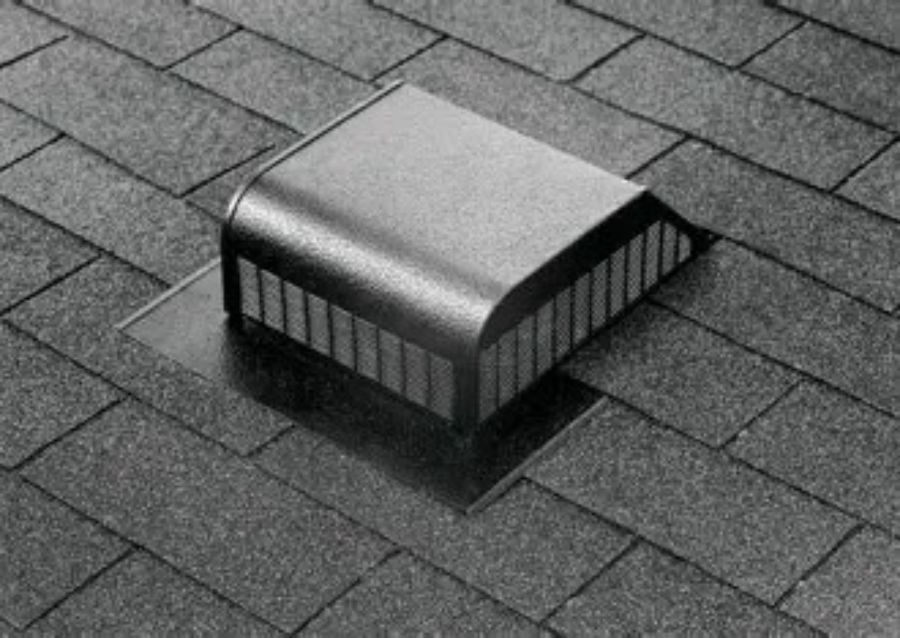
Although ridge vents are often considered a more modern and efficient ventilation option, roof box vents have provided dependable attic ventilation for decades and continue to be widely used on homes today.
When installed and maintained properly, they can still play a major role in keeping a roof and attic in a healthy place.
Follow Us on Social Media!