A ‘puff back’ is a sudden burst of smoke, soot, fumes, or pressure from a heating system when fuel lights late.
It can happen with oil, natural gas, or propane equipment.
The event may sound like a pop, bang, thump, or whoosh.
It means the burner did not ignite the fuel at the normal time.
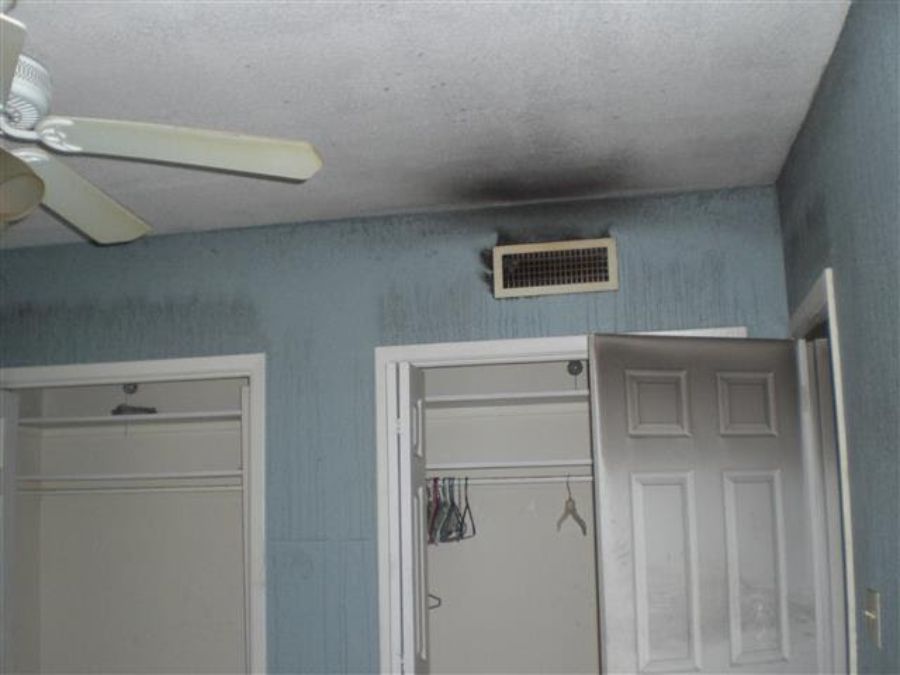
Instead, fuel built up first, then ignited all at once.
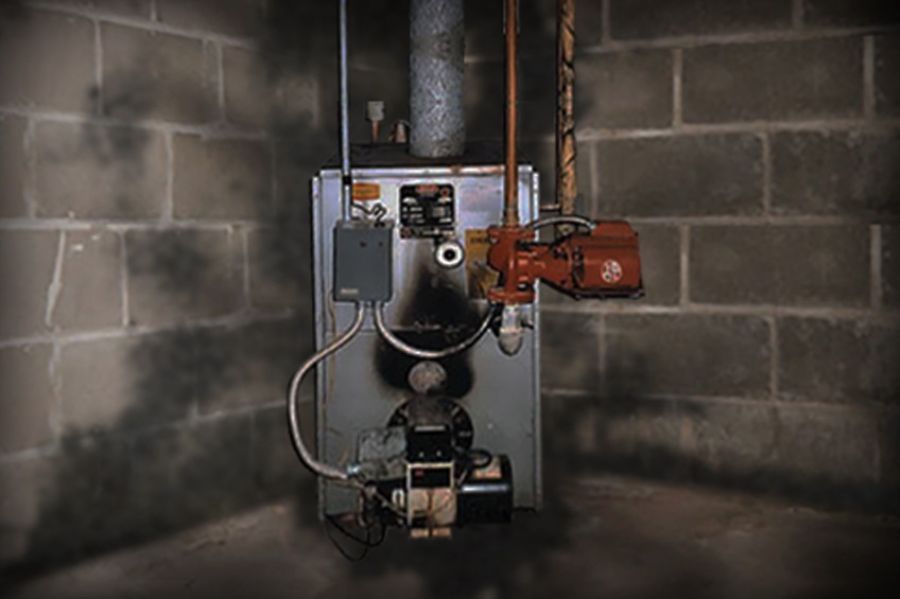
In oil systems, puff backs are often messier.
Unburned oil can create black soot and oily residue that may spread through ducts, rooms, walls, ceilings, and furniture.
The smell can be strong.
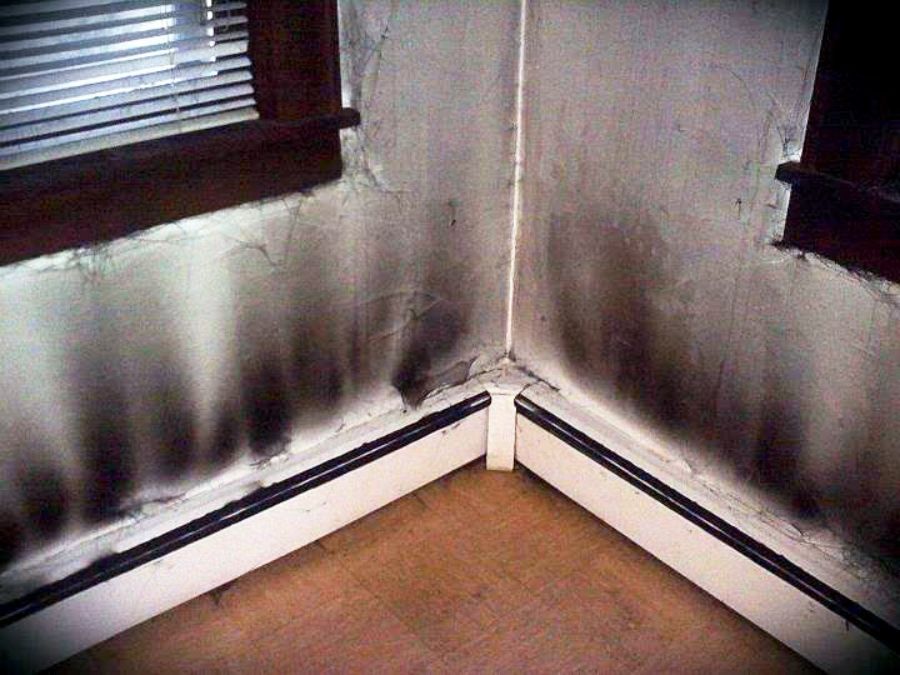
In gas or propane systems, delayed ignition may create less soot, but it can still be dangerous.
The force from a puff back can damage burners, venting parts, or panels.
Common causes include dirty burners, clogged nozzles, weak igniters, bad electrodes, faulty flame sensors, low fuel pressure, poor airflow, blocked chimneys, blocked flues, moisture in fuel, or skipped maintenance.
Old equipment can also be more likely to have problems.
If a puff back happens, act quickly and safely.
First, turn off the heating system at the thermostat or emergency switch if you can do so safely.
Do not keep restarting it.
Repeated resets can make the problem worse.
If you smell gas or propane, leave the area right away and call the gas company or fire department.
If smoke is heavy, open windows only if it appears to be safe (where you are not putting yourself at risk by doing so).
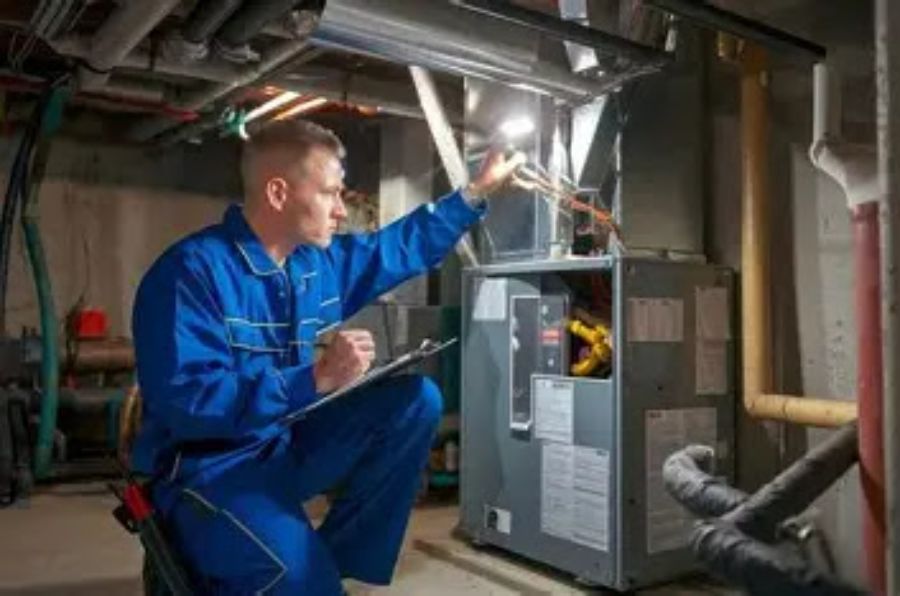
Next, call a licensed HVAC or burner technician.
The system should be inspected before it is used again.
A technician may clean burners, replace worn parts, adjust settings, test ignition timing, check venting, and confirm safe operation.
Cleaning is important, especially after oil puff backs.
Do not wipe soot around with regular cleaners.
It can smear and stain surfaces.
Use proper protective gear and HEPA vacuuming methods, or hire a professional smoke and soot restoration company.
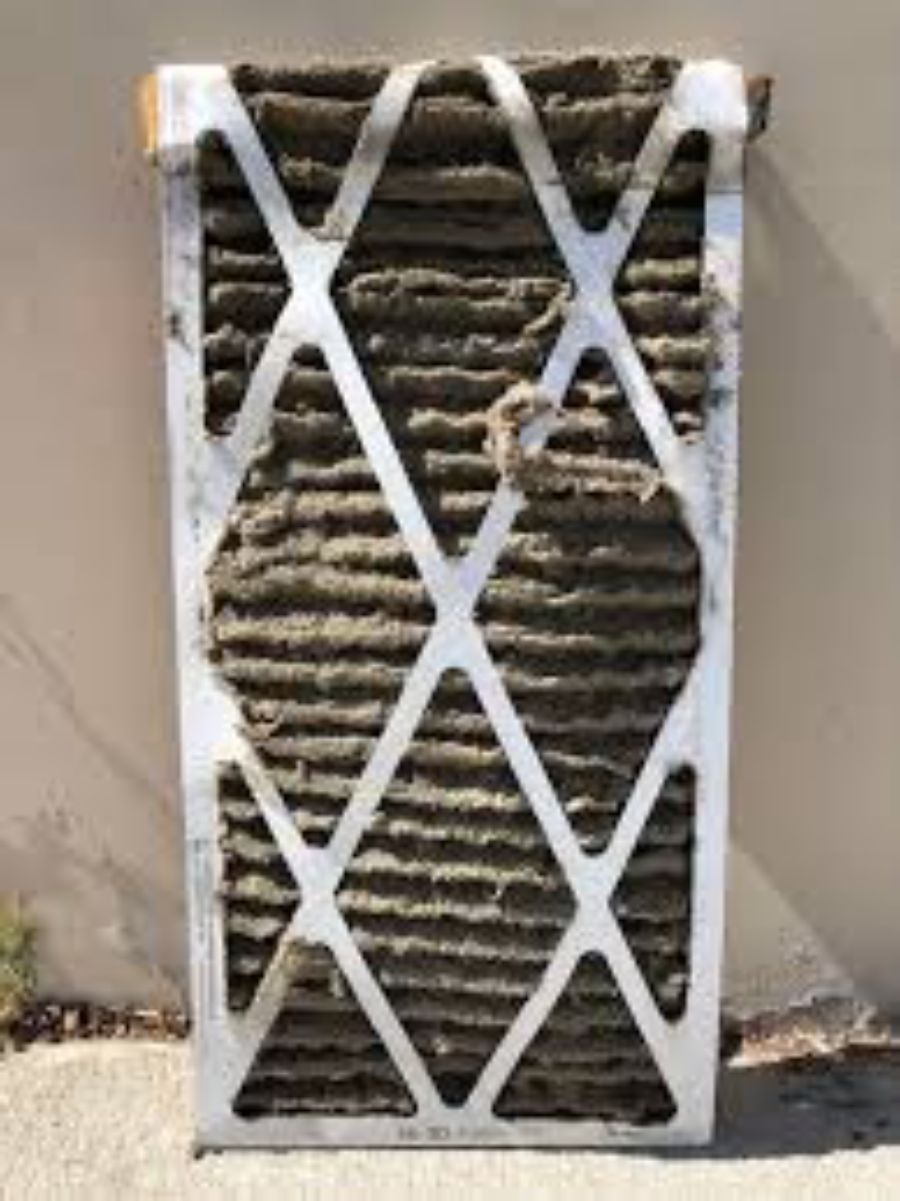
Replace dirty air filters.
Have the ducts inspected if residue traveled through the system.
You should also document damage with photos and contact your insurance company if needed.
Some policies may cover sudden heating damage.
The best fix is prevention.
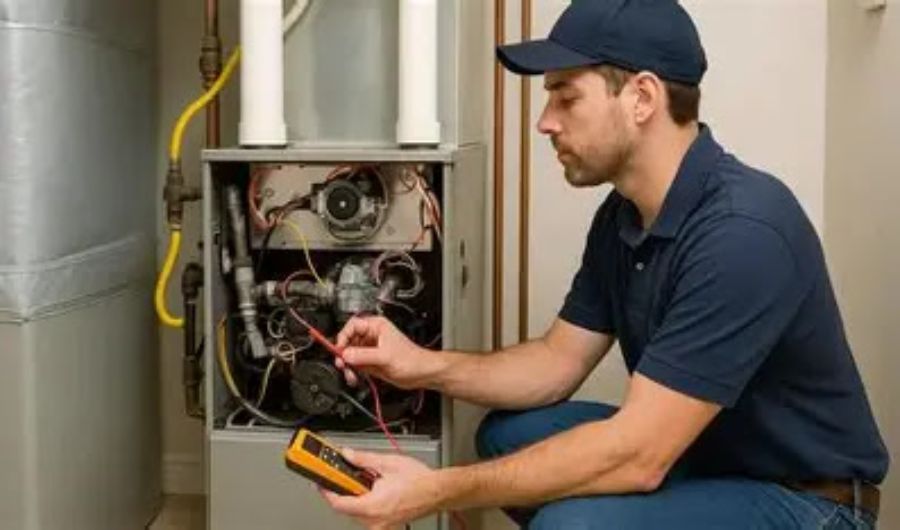
Schedule yearly service, change filters on time, keep vents clear, and watch for warning signs like hard starts, rumbling sounds, yellow flames, soot marks, odd odors, or loud bangs at startup.
A puff back is always a warning that something is wrong.
Shut the system down, get expert help, and do not ignore it.
Fast action can reduce damage, lower safety risks, and help prevent another event later.
For homes and businesses alike, regular maintenance saves money and stress over time.
Stay alert during cold weather when systems run longer and harder each day.
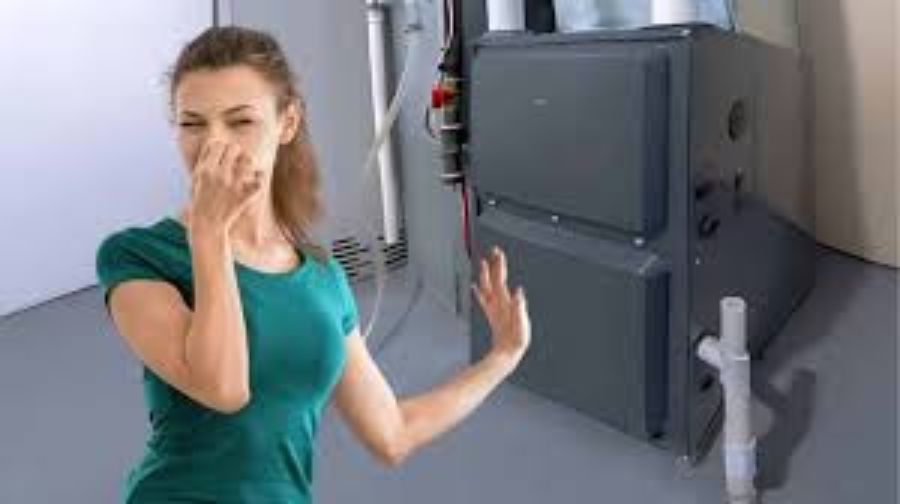
Check pilot flames, vents, filters, noises, and smells often.
Small warning signs caught early can help prevent major repairs, costly damage, and messy cleanup later.
Check your heating system regularly, stay alert for unusual sounds or smells, and address problems quickly to keep everyone in the building safe year-round.
Follow Us on Social Media!